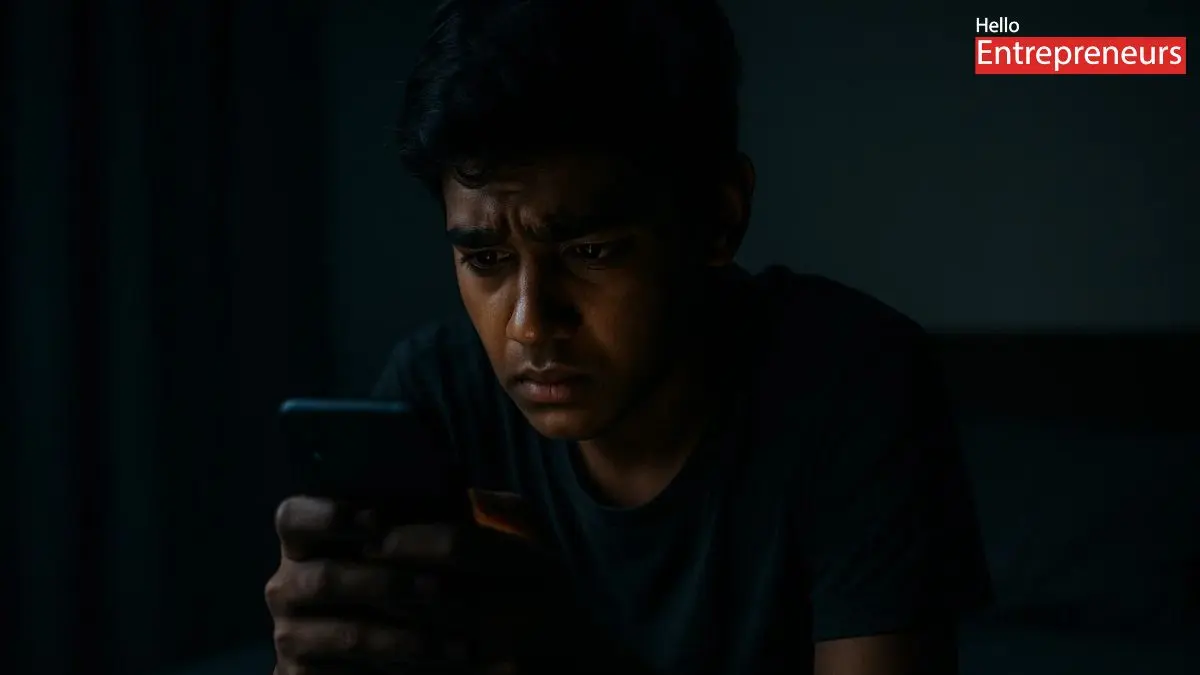








The government did the unthinkable. Overnight, almost 2 lakh employees working for more than 400 gaming companies didn’t have a reason to go to work. The companies they were working for had to abruptly shut down- because parliament decided to ban online games in India. Specifically, any game where a user pays a fee, deposits money, or places a bet hoping to win something valuable in return- usually money. According to the Online Gaming Act, 2025 which the government passed last week, an ‘online money game’ is any game- based on skill, chance or both, where money is involved.
Also called Real Money Games (RMGs), these games include fantasy sports, rummy, poker or other games that involve financial transactions. Leading companies in this niche, including Dream11, Nazara Technologies, Winzo and My11Circle- are now facing the prospect of shutting down their operations, without a way of helping their employees who don’t have a backup plan.
The intent
The Bill was passed to address a pressing concern- addiction to gambling using these gaming apps. Psychiatrists and families across the country have complained about these gaming apps ruining families. Designed to reward risky bets with a false promise to reap rich rewards, these RMGs had become a convenient way for people to risk their money on bets.
Since the pandemic, reports of suicides, bankruptcies, homelessness, mental illnesses and cheating by gambling addicts have been reported across the country- with everyone from financially literate professionals to daily wagers- borrowing to bet on these apps far beyond their means.
A growing industry… with concerns
The pandemic offered an incentive to this growing industry. From a 40% growth during the lockdown, India’s gaming industry has grown in double digits since, with many estimates putting the industry’s revenues at $4 billion today, driven primarily by wagers put on fantasy sports platforms like Dream11 and My11Circle.
Almost 18 crore people have been betting regularly through these platforms, with the companies earning almost Rs.23,000 per user.
Vague regulations + surrogate marketing
Before this Act was passed, India’s centuries-old Public Gambling Act, 1867, gave loopholes that allowed these companies to operate without much oversight. Even though states like Tamil Nadu and Andhra Pradesh tried banning gambling in 2020, these didn’t work- as everyone just needed to change their place of residence to continue.
The lack of regulations helped these gaming companies thrive, in part due to their surrogate or, many a time, explicit marketing of the games they endorsed- cricket. Dream 11 and My11Circle have spent almost Rs.1,000 crore to sponsor the Indian cricket team and the IPL, respectively. Though advertising for betting activities is banned, these companies got around that through surrogate advertising, an old tactic used by the alcohol industry for years.
As the primary intent was gambling, these RMG companies had to just get people to try the app the first time- their carefully designed interfaces and notifications got people hooked, becoming a public health concern just like substance abuse. But here, the stakes are higher due to the large investments and livelihoods involved.
The immediate impact
Dealing with an existential crisis, these Real Money Gaming (RMG) companies are thinking about legal remedies to this move, with the industry bodies like the All India Gaming Federation (AIGF) or the E-Gaming Federation (EGF) expecting to file writ petitions in the High Courts collectively, as per sources with information about the matter.
The government is expected to lose almost Rs.20,000 crore in direct and indirect taxes due to the move, with many gaming companies like Dream11 having already paused their operations as a result.

The industry argues that India’s fantasy sports industry is not even 1% of the US, but they don’t tell you that almost 15% of the global gaming traffic comes from India. Investing in RMG is quite simple as to the AAA games- games like PUBG or GTA6 that leading gaming studios work on.
Almost 86% of the money spent on online games in India is for RMGs- which are, in essence, extremely addictive online gambling dens that the government aims to address with this bill. But not all hope is lost.
The ideal solution
E-gaming or skill-based gaming has been extremely popular worldwide- valued even more than Hollywood. The AAA games developed by studios like Microsoft Gaming, Activision Group and others involve massive investments of millions of dollars. The problem is they don’t come cheap, and India’s low purchasing power means these companies have little incentive to promote them here.
But they do outsource their work here. Many homegrown studios like Nodding Heads, LightFury Games and GameEon have been working with leading gaming studios to create standout design and coding for these games, and the industry has been growing.
Though it is only a matter of time before the Act comes into effect (or a stay order delays its implementation), these companies can always create new games aimed at developing skills, or partner with leading gaming companies to co-develop games- and give their skilled workers another opportunity to shine.