



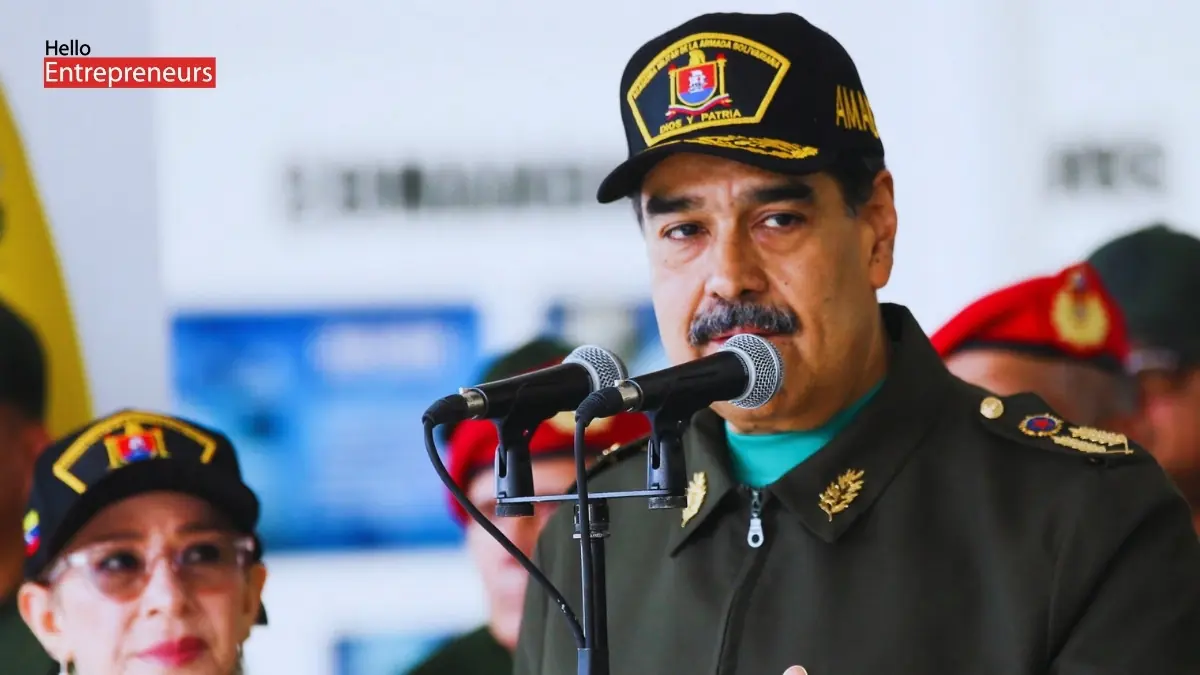
Mumbai: Look, this stopped being a quiet pressure campaign a long time ago. Trump’s Venezuela strikes have now crossed into open confrontation, and the fallout is spreading fast.
Maduro Breaks His Silence, Sort Of
Nicolás Maduro chose an unusual stage to push back. An hour-long television interview. A moving SUV. Caracas rolling by in the background like a postcard. Calm was the message. Defiance was the subtext.
Maduro urged Donald Trump to abandon what he called “illegal warmongering” and return to “serious talks.” He stopped short of confirming reports of a pre-Christmas CIA drone strike on Venezuelan soil. Not denial. Not confirmation. Just a pause. “This could be something we talk about in a few days,” he said.
The performance was deliberate. He drove past his childhood home. Past the church where he was baptised. Then came the warning to American voters. Do you really want another Iraq, this time in South America?
The US Pressure Campaign Turns Kinetic
Facts first. Since August, Trump has run a five-month military pressure campaign against Venezuela. It began at sea. Alleged drug-smuggling boats. Airstrikes off the Caribbean coast. Then expansion into the eastern Pacific.
By New Year’s Eve, US figures acknowledged 35 boat strikes and at least 115 deaths. Venezuelans were among the dead.
Then came the escalation. Trump publicly claimed the US struck a docking facility used by drug traffickers. US media pointed to the CIA. If confirmed, it would be the first known US strike on Venezuelan land during this campaign.
That matters. A lot.
“Narco-Terrorism” or Resource Hunt?
Washington’s justification is blunt. Trump accuses Maduro of leading the Cartel de los Soles, branding him a narco-terrorist flooding the US with drugs. Evidence has not been made public.
Maduro rejects the claim outright. His counterargument is older, sharper, and familiar across the Global South. This is about oil. Gold. Rare earths.
Venezuela sits on vast reserves. By Maduro’s own estimate, $1.36 trillion in mineral wealth. He points to US seizures of oil tankers and sanctions on shipping firms as proof. Caracas has accused Washington of international piracy. The US says seized oil was bound for Iran. Venezuela denies it.
The subtext is impossible to miss. Control the resources, control the leverage.
A Strange Willingness to Deal
Here’s the twist. Even as bombs fall, Maduro is still talking deals.
If the US wants cooperation on drug trafficking, he says Venezuela is ready. If the US wants oil, Venezuela is open to investment. Chevron-style arrangements. Anytime. Anywhere. Any structure.
It’s not surrender. It’s transactional realism. And it exposes the contradiction at the heart of Trump’s approach. Maximum pressure paired with selective engagement.
Life Under Threat, According to New York Times
The New York Times reported Maduro has been sleeping in different locations, switching phones, avoiding patterns. The implication was clear. He fears capture or assassination.
Asked about his mental state, Maduro shrugged it off with theatre. “I have a foolproof bunker: almighty God,” he said. Jesus Christ, King of Kings, was now guarding Venezuela.
Sarcasm aside, the fear is real. Especially now.
Trump Claims Maduro Captured
Then came the bombshell. Trump claimed the US had launched a “large-scale” strike and captured Maduro and his wife, Cilia Flores. He said they were flown out of the country.
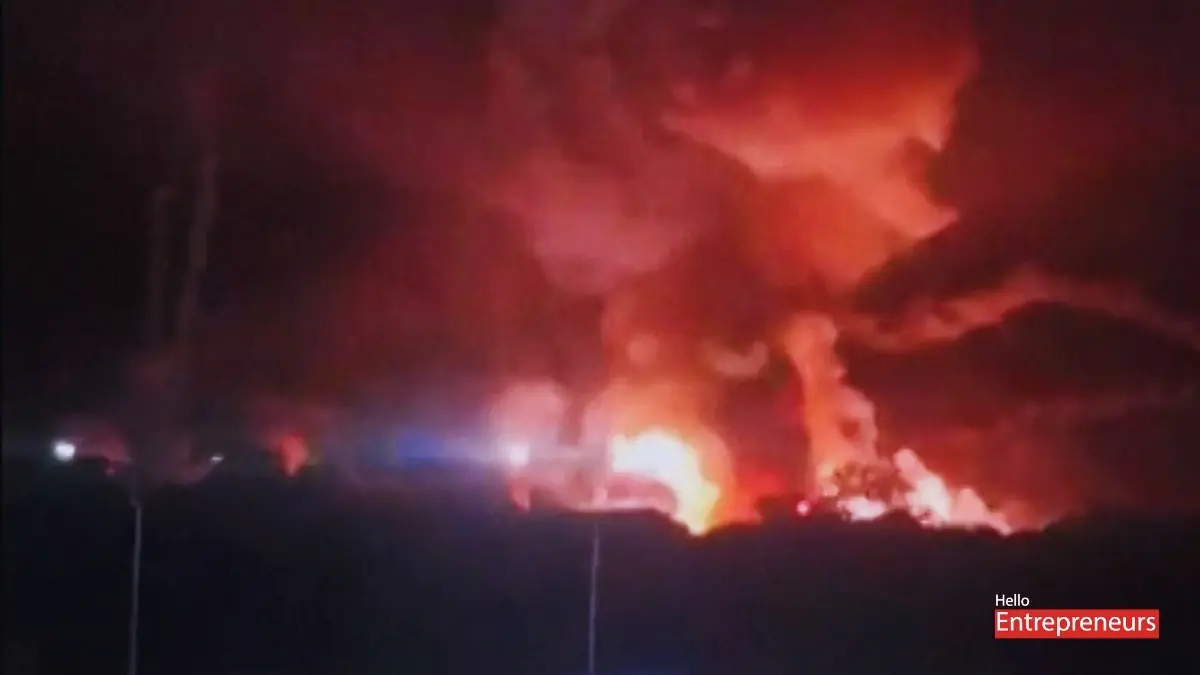
Explosions were reported in Caracas around 2am. Low-flying aircraft. Smoke rising from military installations. Venezuelan authorities confirmed attacks across Caracas, Miranda, Aragua, and La Guaira.
What they did not confirm was Maduro’s capture.
US officials told Reuters that elite special forces were involved. Opposition sources told Sky News they believed it was a negotiated exit. Caracas declared a national emergency and called on citizens to mobilise.
As of now, confirmation remains fragmented. Claims are loud. Proof is cautious.
Why Trump Targeted Venezuela Now?
Three drivers dominate.
First, drugs. Trump frames this as an armed conflict with cartels. A war beyond borders.
Second, immigration. Trump has repeatedly accused Venezuela of emptying prisons and sending criminals north. Claims echoed during the 2024 campaign. Evidence remains disputed.
Third, resources. Oil tankers seized. Sanctions tightened. Shipping firms targeted. The pattern is hard to ignore.
Global Reaction Turns Cold
Russia condemned the strikes as armed aggression. Moscow demanded Venezuela’s right to self-determination. Iran echoed the charge, calling it a blatant violation of sovereignty.
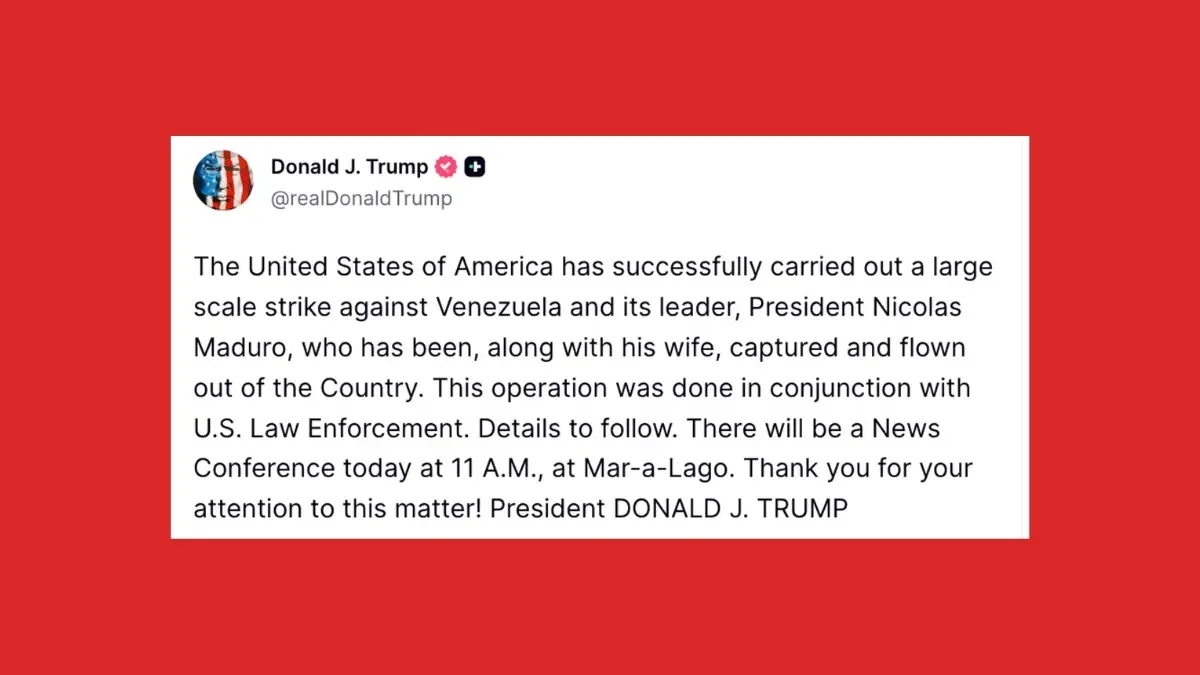
Colombia’s president called for an emergency UN Security Council session. Latin America is watching nervously. This is not a distant conflict. It’s regional instability with a short fuse.
India, watching from afar, understands this script well. Sanctions. Resource pressure. Strategic moralising. New Delhi has seen how fast geopolitics can turn transactional when energy security is on the table.
What Happens Next Is the Real Risk
If Maduro is indeed captured, the region enters uncharted territory. If he isn’t, credibility fractures further.
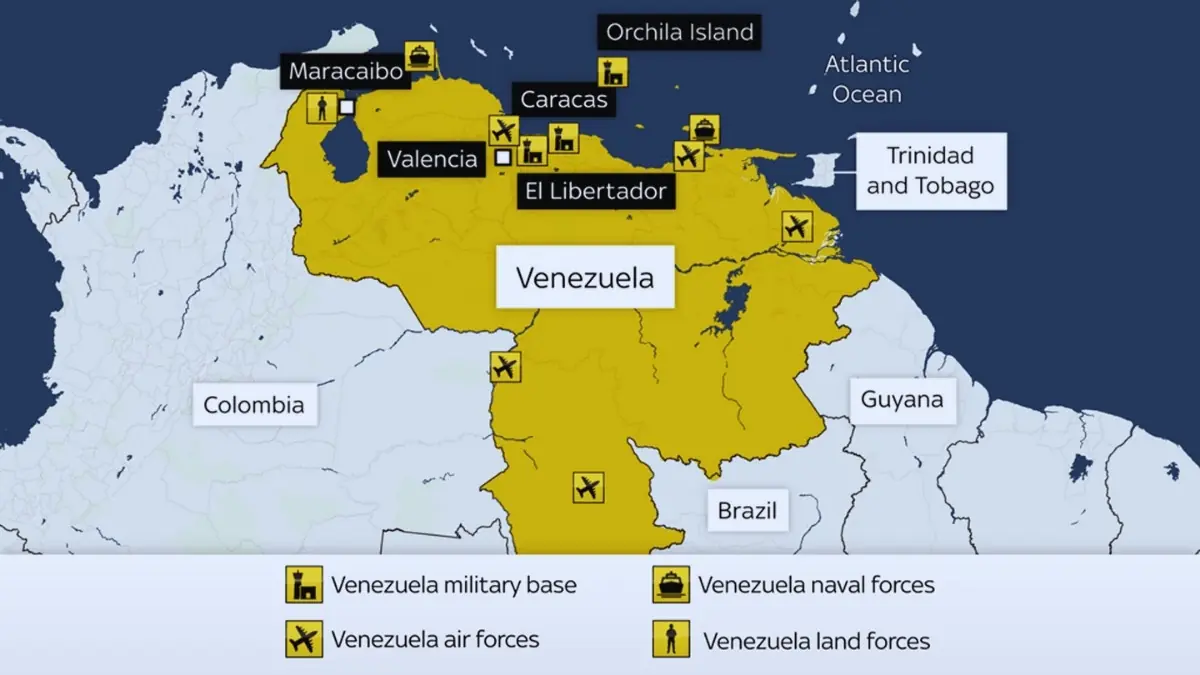
Either way, Trump’s Venezuela military strikes have already shifted the frame. This is no longer covert pressure. It’s overt force.
Dialogue, as Maduro keeps repeating, may be the only off-ramp left.