



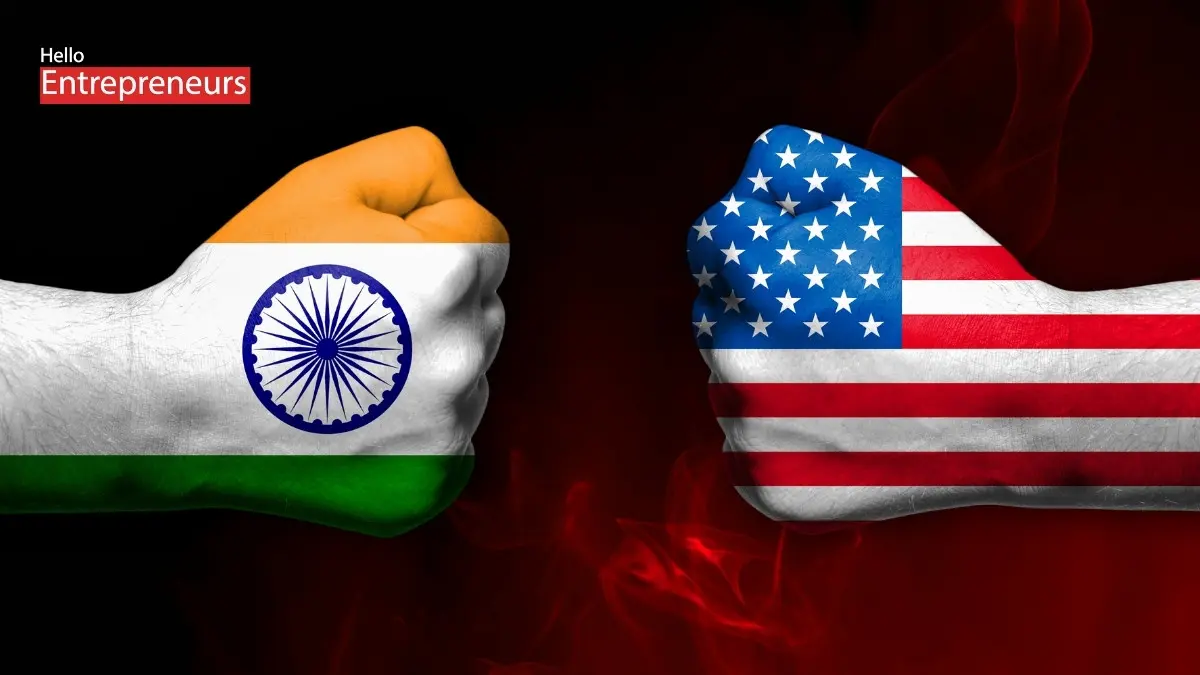
New Delhi: The Trump 50% tariff on India is no symbolic gesture. It’s a gut punch to an export sector worth tens of billions. Starting Wednesday, almost two-thirds of Indian exports to the US, about $60 billion worth, now face a crippling 50% levy.
The duty is split into two parts: a standard 25% import tariff plus another 25% “penalty” for India’s refusal to dump Russian oil and defence deals. Washington calls India a “strategic ally,” but this is punishment, plain and simple.
The Blow To Indian Exports
The hit list covers labour-heavy industries: textiles, gems and jewellery, shrimp, carpets, leather, sporting goods, and chemicals. These aren’t luxury sectors. They’re where millions of Indians, from Tirupur to Surat, earn their daily bread.
Exporters say hundreds of thousands of jobs are at stake. SC Ralhan, head of the Federation of Indian Export Organisations, says textile hubs are already cutting production. With Indian goods suddenly 30–35% pricier, China, Vietnam and Cambodia smell opportunity.
The Gem and Jewellery Export Promotion Council warned of “disrupted supply chains” and a $10 billion market in danger. For context: the US is India’s single largest export destination.
Why Washington Is Punishing India
At the heart of this trade fight is oil. Since Russia’s 2022 invasion of Ukraine, India has bought up cheap Russian crude. Today, almost 40% of our oil comes from Moscow. Reliance’s mega-refinery in Gujarat turns much of it into fuel that eventually flows back into global markets.
The US says this undermines sanctions on Russia. Treasury Secretary Scott Bessent accused India of “profiteering” from war. Delhi calls that hypocrisy. After all, the US still buys Russian uranium. And Beijing, a far bigger importer of Russian oil, hasn’t been touched.
India’s stance is simple: stop Russian oil, and global crude hits $200 a barrel. That would torch supply chains and wreck India’s economy overnight.
Trade War Fallout
The tariffs are not just about exports. Analysts say they could shave 0.3 percentage points off India’s GDP growth this year, already pegged at 6.2%.
Economist Upasna Bhardwaj warns of “major disruption” in labour-intensive sectors. Barclays’ Aastha Gudwani says nearly 70% of Indian exports to America are under threat. And Emkay Global’s Madhavi Arora says even global monetary policy could get messier, with emerging markets like India forced to follow the US Fed’s moves.
In raw numbers: India’s exports to the US could fall by over 40% this year, from $87 billion in 2024 to about $50 billion.
Jobs On The Line
The real story is jobs. Textile, gems, jewellery and leather units depend on the US market. When orders dry up, the first to feel it are workers in Tirupur, Noida, and Surat, often daily-wage labourers with no safety net.
Economist Sujan Hajra estimates up to two million jobs could vanish in the near term. That’s not “trade friction.” That’s families losing livelihoods.
The Bigger Picture: India Caught In The Middle
This tariff war lands just as India and the US talk up their “strategic partnership,” from defence deals to the Quad alliance with Japan and Australia. But five rounds of trade talks collapsed. India hoped for a 15% cap, like the US gave Japan and South Korea. Trump refused.
It’s now the worst rupture in Indo-US trade ties since 1998, when Washington sanctioned India after our nuclear tests.
At the same time, Delhi can’t just drop Moscow. Russia is still a vital defence supplier, energy source and geopolitical ally. As scholar Happymon Jacob puts it: India can’t pick Washington over Moscow or vice versa. Not yet.
Is Trump Bluffing?
Tariffs are Trump’s favourite bargaining chip. He’s raised duties across the board: 50% on steel, aluminium and copper, 25% on imported cars, even threats of 200% on pharma. Critics say it’s wrecking global trade. Supporters call it “America First.”
Some believe this 50% tariff is a hardball tactic. Prashant Khemka of White Oak Capital says duties may eventually fall back to 25% as part of a deal. But even if they do, the damage to India’s credibility as a manufacturing hub could linger.
What Next For India?
If tariffs stay high, India risks losing its edge as the “China alternative” for global supply chains. Investors want predictability. A tariff war delivers the opposite.
Still, economists say India’s domestic demand and diversified export base give it some cushion. The stock market hasn’t panicked yet. But for workers stitching shirts in Tirupur or polishing diamonds in Surat, the cushion feels thin.
Also Read: 7 Charts Show How Trump’s Economy Really Performed

