



USA: Donald Trump loves a headline. Whether it’s “greatest economy ever” or “jobs are through the roof,” he’s never short on superlatives. But here’s the thing, economic data isn’t known for playing along. Under the surface of all that swagger, the story of Trump’s early economic track record is a strange cocktail of strong GDP, sagging job creation, and some outright contradictions. You could call it a boom with a limp, or maybe just an illusion running on spin.
GDP Growth: Strong… Then Strange
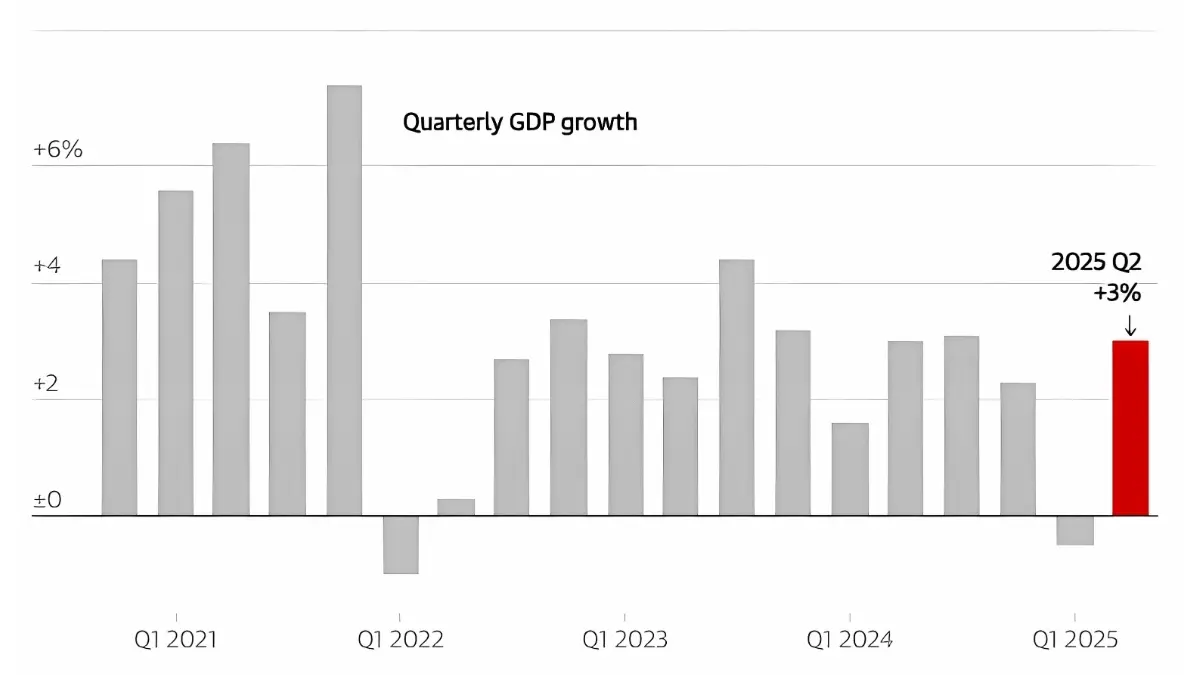
Let’s not twist it, GDP growth in the second quarter did pick up. That’s the good part. But it came after an unexpected contraction in Q1. Add that up, and the US economy’s first-half growth was barely 1.2%. Not terrible. Not great. Sort of… ok.
Even seasoned economists found it odd. Private domestic investment tumbled over 15%, suggesting businesses were uneasy, likely thrown off by the unpredictable swings in trade policy. One Wall Street Journal headline didn’t even try to sugarcoat it: “The weirdest GDP report ever.”
Weird is right. When business leaders can’t plan past next Friday, that kind of volatility tends to creep into the numbers.
Imports and Exports: A Chaotic Tug-of-War
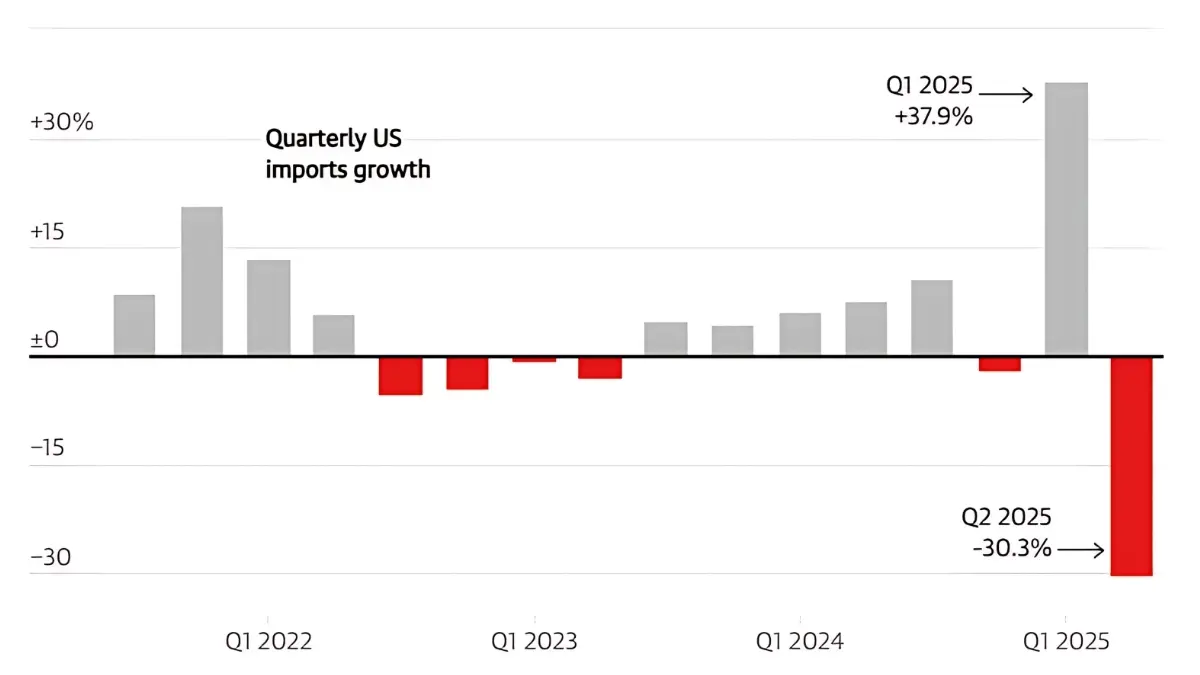
In Q1, businesses, unsure about Trump’s next tariff target, went into stockpiling overdrive. Imports soared. Growth sagged.
By Q2, the waiting game was over. Trump made good on his threats, and imports tanked. Net exports went up, sure, but mostly because everyone was pumping the brakes on buying anything from abroad.
This seesaw effect gave GDP a temporary boost, but it came from instability, not strength. A CFO from Texas put it bluntly in a private survey: “We’re not investing, we’re buffering.”
The Fed Standoff: When Trump Met Reality
Of all the battles Trump picked, his fight with the Federal Reserve might be the most telling.
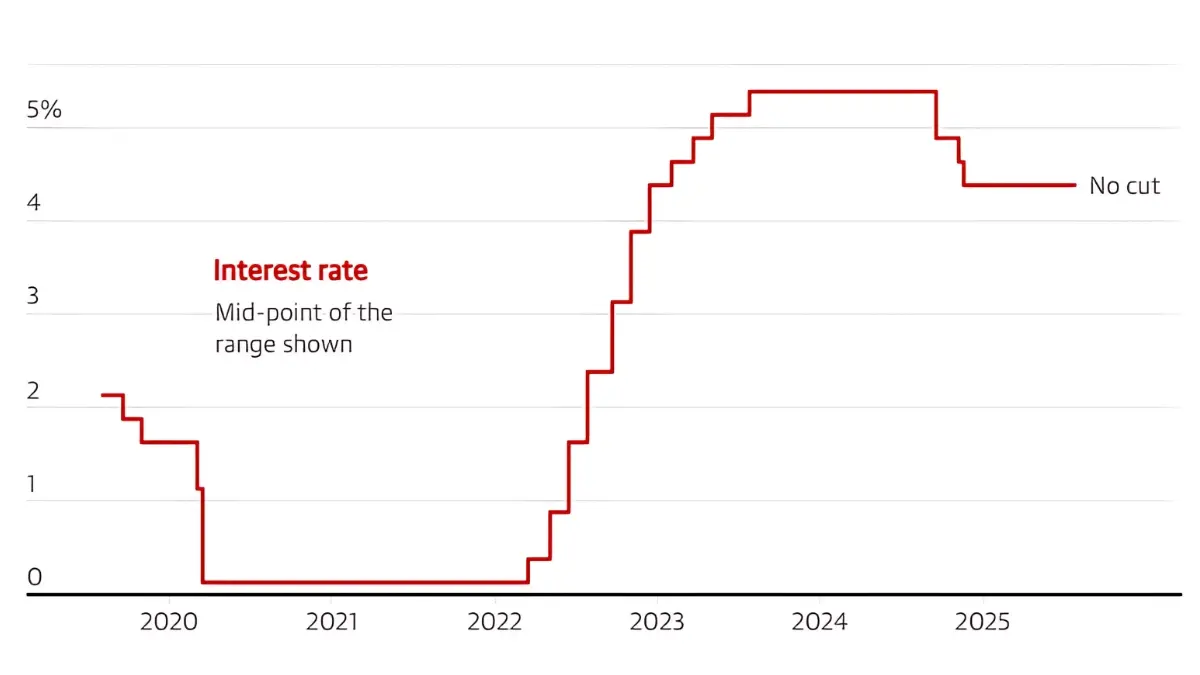
He wanted interest rate cuts. Badly. Publicly. Repeatedly. But the Fed didn’t budge. Chair Jerome Powell said he needed to see the real impact of trade tensions first. Spoiler: the Fed wasn’t impressed with the White House’s forecasting.
While Trump claimed inflation was flatlining, Fed officials saw room for it to rise, especially with tariffs inflating the cost of goods. They held their ground, even as Trump fumed. Powell’s term ends next May, and the countdown in the West Wing reportedly started months ago.
Job Growth: Not What It Looks Like
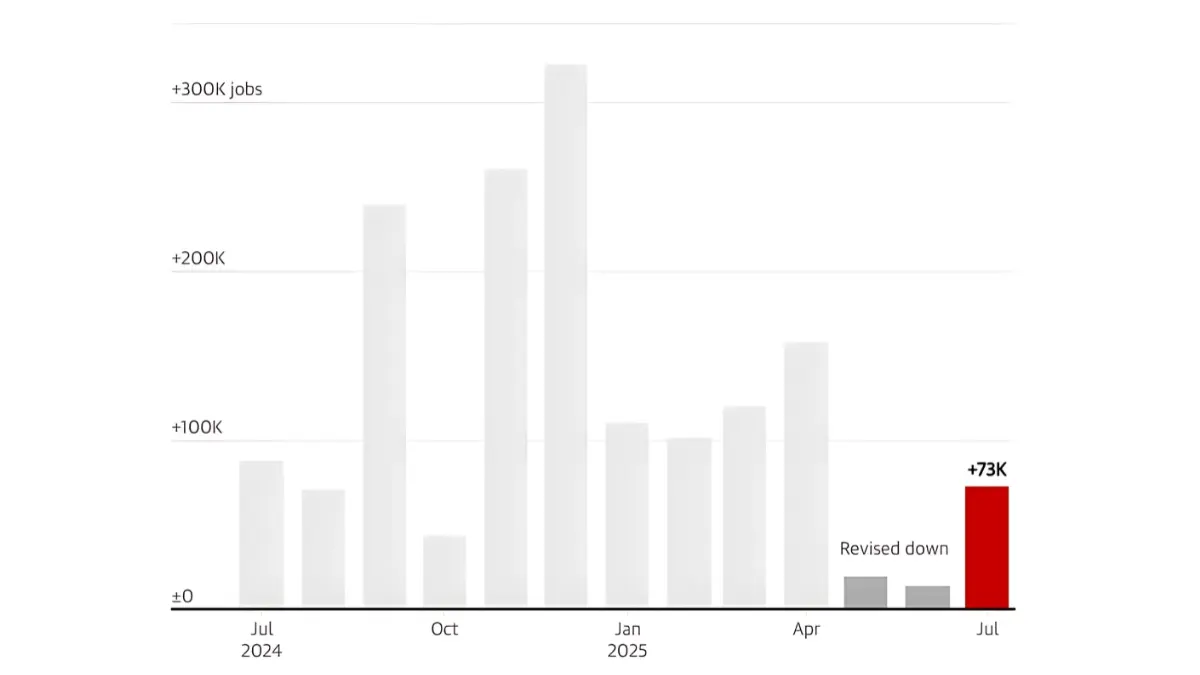
For months, the Trump administration leaned hard on job numbers to tout economic health. But July’s employment report hit like a bucket of cold water.
Just 73,000 new jobs were added, far below the norm, and previous numbers were quietly revised down by a combined 258,000. That’s not a stumble. That’s a trend.
Stephen Miran, chair of the White House Council of Economic Advisers, spun it as “temporary” and said better numbers were just around the corner. Maybe. But when job growth slows this sharply while your party’s selling a boom, credibility starts leaking fast.
Inflation: Flat or Festering?
Trump repeatedly declared victory on inflation. But data showed a more complex picture. Prices didn’t spike, but they also didn’t fall the way his team hoped. The Fed wasn’t buying the rosy view.
Here’s where things got tricky. If tariffs start hitting consumer prices, inflation could tick up, and that puts the Fed in a bind. Lowering rates could fuel inflation. Holding steady frustrates the White House. It’s a classic dilemma, one that kept investors and policy nerds guessing.
The Business Mood: Wary, Not Wild
Behind the numbers, the tone from boardrooms across America was not exactly celebratory. CEOs weren’t popping champagne; they were tightening budgets, delaying decisions, and in many cases, simply waiting it out.
What made this stretch so strange wasn’t a single dramatic failure. It was the constant push-pull between solid fundamentals and nervous sentiment. Growth numbers looked OK one month, shaky the next. And under it all, a sense that no one really knew what would happen next.
Conclusion: A Boom on Shaky Ground
So, was Trump’s economy “the best ever”? That depends on how you read a chart, and how much you trust the narrator.
The data shows some real gains, no doubt. But it also reveals sharp dips, policy missteps, and worrying signals, especially in job creation. Economies love stability, and that was in short supply during Trump’s early presidency.
In the end, it wasn’t a crash, but it sure wasn’t calm. Call it growth with a side of whiplash. Or as one analyst in Chicago put it: “We’re just trying to survive the news cycle.”
Also Read: China Sounds Alarm on AI Dangers as US Dials Up the Tech Race

