




Washington, D.C.: Trump Deportation Blitz 2025 – The Department of Homeland Security was built to stop another 9/11. Instead, it’s now powering a surveillance engine chasing deportation quotas. And the tools are far bigger, faster, and scarier than anything America imagined two decades ago.
The DHS surveillance machine isn’t new. It was born after 9/11 with a mission that sounded noble: protect Americans and preserve their values. But today, “DHS surveillance” has a very different meaning. Under Donald Trump’s second-term immigration push, many of America’s most powerful investigative technologies have been redirected toward one goal: hit 1 million deportations in a single year. The math, the politics, and the ethics collide in messy ways.
And yes, the tech that once hunted terrorists is now being used to track down grandmothers. Former ICE assistant director Scott Shuchart puts it bluntly: tools developed for major criminal investigations are being repurposed to find people whose only violation is a civil immigration issue.
The new architecture of DHS surveillance
Thousands of contracts reveal the scope. ICE and DHS now sit on an arsenal: geolocation data, DNA testing, facial recognition, iris scans, spyware, license plate databases, credit histories, and a flood of “open-source” intelligence purchased from data brokers. AI cross-references all of it, and field agents carry mobile apps that can pull up a person’s life story in seconds.
Vendors aren’t building these systems from scratch. They don’t have to. In the era of data brokers, massive datasets are already on the market. Unlike the old NSA revelations, what DHS deploys today is largely off-the-shelf.
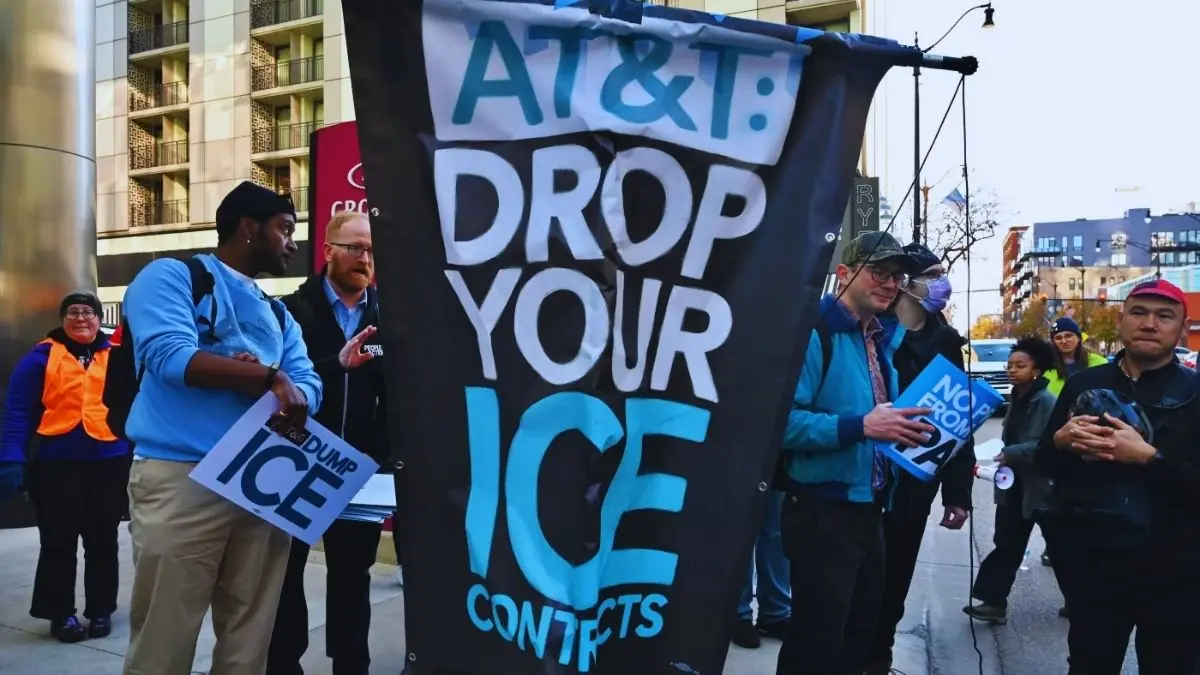
Big names are deeply tied in. AT&T. Thomson Reuters. Palantir. Clearview AI. Others are niche startups with aggressive lobbying operations and political connections. Together, they’ve secured hundreds of millions of dollars in contracts, feeding a system that critics warn has outgrown its checks and balances.

Emily Tucker, a professor at Georgetown Law School, says none of these technologies should be viewed in isolation. “All this stuff is being used together,” she notes, and that’s exactly what makes it so potent.
Oversight gutted, safeguards sidelined
Former DHS and ICE officials paint a worrying picture. Internal safeguards have been pushed aside. Compliance offices hollowed out. Policies rewritten or simply ignored.
“There’s less oversight and more willingness to break the rules,” says Deborah Fleischaker, a former DHS privacy officer and ICE chief of staff. Another ex-official is even sharper: “Things are just unbound.”
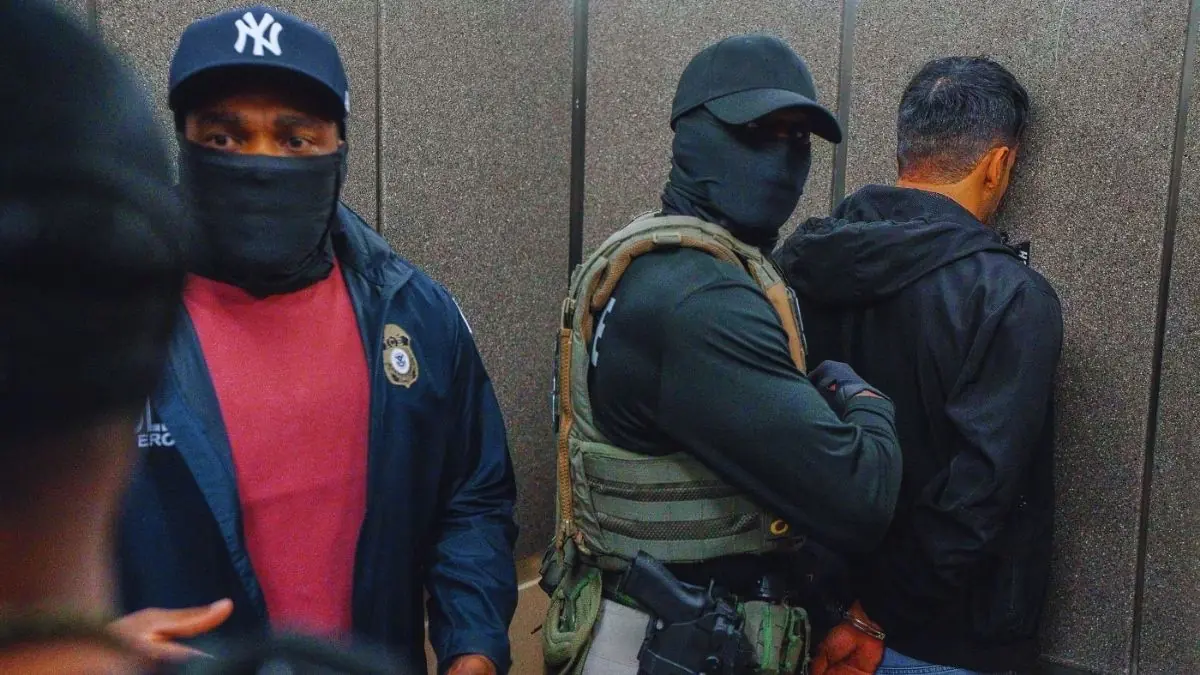
More than a dozen former government leaders, many speaking anonymously out of fear, describe an unprecedented shift. Surveillance tools once reserved for drug cartels, human traffickers, and transnational crime are now overwhelmingly pointed at civil immigration cases. HSI agents used to chase kingpins. Now, according to one disillusioned official, they’re being sent across the country to “pick up people who are here illegally.”
Nearly all of their time and data, they say, is being pumped into deportation cases. Why? Because ICE has quotas to meet.
Yet two-thirds of people arrested have no criminal convictions. That’s ICE’s own data, not activist spin.
The White House rejects the criticism. Spokeswoman Abigail Jackson insists the administration is still aggressively fighting crime, pointing to drug seizures, smuggling arrests, and a “historically secure border.”
But the numbers tell another story. ICE surveillance spending hit $353 million this year, a 27 percent jump. And Trump’s July budget bill handed ICE an extraordinary $29 billion for the next four years, supercharging its surveillance capabilities.
Hunting new addresses, not new criminals
Most people ICE aims to deport aren’t hiding. They’ve already filed asylum claims and left thick paper trails. What ICE lacks is updated locations. So the agency began reaching deeper into federal databases.
The Social Security Administration agreed to share data. The IRS, normally locked down for obvious reasons, was drawn in too. ICE requested data on millions. It received roughly 47,000 addresses before a federal judge hit pause, warning the data-sharing was likely unlawful.
When government data falls short, ICE taps private vendors. Palantir runs key analytics systems like Falcon and ICM. An internal DHS innovation lab built a similar tool called Raven, which insiders describe as one of the best systems the government has ever fielded. But even then, Palantir kept winning contracts, including an April deal to construct “ImmigrationOS.”
Meanwhile, Thomson Reuters’ Clear system pulls from utility bills, car registrations, and credit files. Its license plate database can track vehicles across the country, sometimes leading to abuses. A recent court ruling found ICE agents used random license plate scans to illegally detain an asylum seeker. Another woman, a U.S. citizen, was detained three separate times simply for driving a car linked to her boyfriend.
The loophole: buy the data, skip the warrant
American law normally requires warrants for invasive surveillance. But buying that same data from brokers creates a loophole big enough to drive an armored truck through.
DHS officials wrestled with whether they should use data they couldn’t legally collect themselves. In the past, privacy offices strictly evaluated vendors. That caution has evaporated. “A balancing inquiry,” as one official described it, now leans decisively toward enforcement.
ICE is even hiring private investigators, old-school gumshoes, to find addresses for 1.5 million people. Contracts range from $7.5 million to $281 million depending on how many targets investigators track down.
Senator Ron Wyden calls it what it is: a threat. DHS, he argues, is using purchased data to avoid due process and sidestep Americans’ Fourth Amendment rights.
Biometrics: surveillance in your pocket
On the ground, biometrics are the real force multiplier. ICE agents use an app called Mobile Fortify to run fingerprints and facial scans straight from their phones. Critics say it’s ripe for abuse. The error rates for people of colour are higher, and oversight is minimal.
Clearview AI, infamous for scraping billions of images from the internet, is back in ICE’s toolkit too. It was intended for child exploitation cases. Now it can be used for “assaults on law enforcement,” a category that former officials fear could sweep in protestors.
ICE and CBP also collect DNA from detainees, even U.S. citizens mistakenly arrested. Samples land in the FBI database, queryable across agencies. Eye-scanning tech from BI² Technologies is also being deployed, despite ICE holding almost no iris records.
Lobbying shops with White House ties play a quiet, powerful role here. Ballard Partners, linked to multiple high-profile Trump insiders, represents Palantir, Clear, DNA vendors, phone surveillance firms, and more.
Spyware revived, old programs reborn
Some tools that were previously rejected as too dangerous have made a comeback. ICE reinstated a $2 million contract with Paragon Solutions, whose spyware “Graphite” can hack phones via WhatsApp or iMessage. Biden had paused it over human-rights concerns. After a U.S. private equity firm acquired Paragon, the contract came back to life.
ICE also struck a deal with AT&T for “Data Analytics Services,” including raw telecom data. The language mirrors Hemisphere, an older program that allowed sweeping access to call records and phone locations. Congress was told Hemisphere was shut down. Now, Senator Wyden worries it never actually ended; it simply changed names.
Internal watchdogs pushed aside
Oversight offices were once the guardrails. Not anymore. Trump appointees tried to eliminate the Civil Rights and Civil Liberties office entirely. Staff dropped from over 130 to 22. Privacy reviews were reduced to check-the-box exercises.
Former officials warn that what began as immigration enforcement is mutating into a broader “domestic security” mandate, targeting groups like “antifa” as supposed terrorist threats. Once surveillance powers expand, they rarely shrink.
John Roth, former DHS inspector general, puts it plainly: surveillance can protect the country, or it can be weaponised. The difference is oversight. And right now, oversight is disappearing.
—
Give the U.S. government a powerful tool, and it will eventually be pointed somewhere it was never meant to aim. What bothers most here isn’t the technology itself; it’s the ambition. When an agency starts chasing quotas, privacy becomes collateral damage. And when oversight collapses, the line between security and abuse fades faster than anyone admits.

