



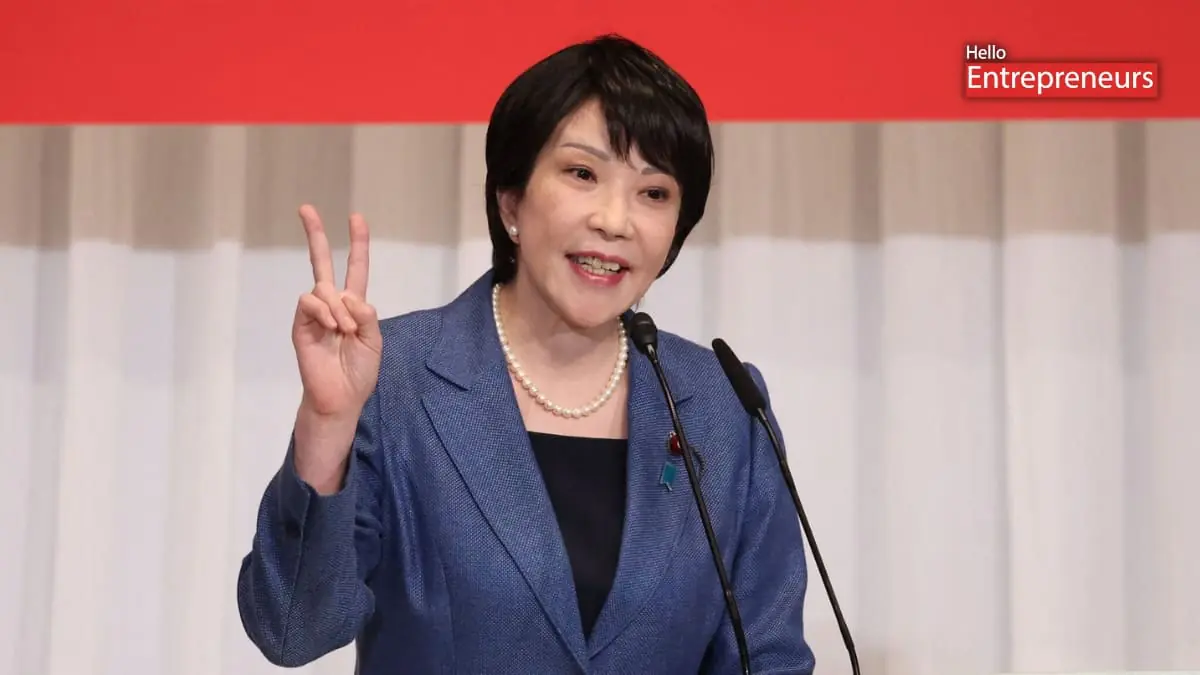
New Delhi: Sanae Takaichi will be the new leader of the ruling Liberal Democratic Party (LDP) in Japan on October 4, 2025. This is important since LDP is the largest party in the lower house of Japan, and the leader is almost guaranteed to be next Prime Minister. The victory of Takaki is historic, she is the first woman in Japan to occupy that position. The election was fought to the runoff in which she had triumphed over the Agriculture Minister Shinjiro Koizumi.
Takiichi is an old conservative politician who has on numerous occasions been associated with the thoughts of former prime minister Shinzo Abe. At the campaign she talked of restoring growth through larger government aid, tax cuts and subsidies, more along the lines of Abenomics, but with more emphasis on government spending to combat inflation and boost incomes. Meanwhile, she claimed that she would be cautious with the debt to the population, trying to strike a balance between assisting the population and the necessity to ensure the financial management.
Takiichi on security and foreign policy is known to have been more nationalistic and tough. She has backed the overhauling of portions of the pacifist Japanese constitution and she has adopted more critical views on China and warmer views on Taiwan. Such perceptions would change the regional sounding of Japan and make Tokyo more prolific on defence and trade matters. It is also observed that she has paid controversial visits to the Yasukuni Shrine previously, which provokes strong reactions of neighbouring countries due to its connection with the wartime history of Japan.
Her ascendancy gives ambivalent messages in gender and politics in Japan. On the one hand, her election is a massive step forward in a country where men continue to wield power in politics and where Japan has been behind on gender equality. Conversely, numerous critics argue that Takiichi has had a mixed track record regarding the issue of women, taking some strides to put more women in the cabinets but refuting other proposals like family name and line of imperial succession reforms. Thus her symbolically significant role as a leader does not necessarily imply a radical change in the rights of women.
Within Japan the LDP selected Takaichi when the party is in need of regaining confidence. The LDP was defeated in the last election and was involved in scandals which tarnished its image. The initial activities that Takachi will carry out would be to demonstrate to the voters that she is capable of managing prices, turning around the economy, and repairing the image of the party. She is also confronted with actual structural issues: the ageing population, labour shortages and social insecurities concerning immigration and its financial impact on social security. The manner in which she addresses them will determine how voters will believe what she promises or become suspicious.
To India and other neighbours, Takiichi government would imply the stronger association regarding both trade and security relationships with other like-minded democracies. India has found Japan as a great partner in investment, technology and defence; a leader aiming at stronger alliances may engage in further co-operation, though the message on regional diplomacy may shift towards more nationalism.

