



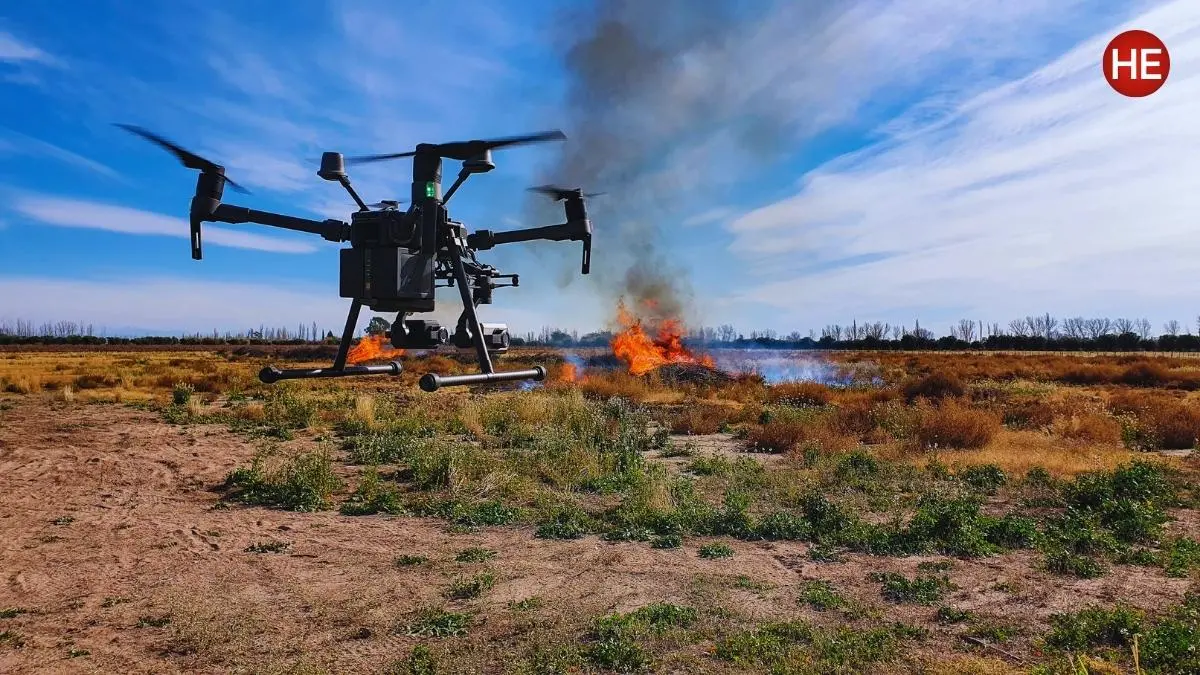
New Delhi: A soldier in Ukraine picks up a quadcopter, checks its battery, and shakes his head. The war has taught the world an unglamorous truth: no battery, no drone. And without drones, the modern battlefield feels suddenly blind. That lesson hasn’t been lost in Washington. Inside the Pentagon, a team of officials is working quietly on something that might sound mundane but is anything but: a new strategy for batteries, due in early 2026.
Batteries Become the New Ammunition
You could say the U.S. military has always run on batteries, from radios on the frontlines to night-vision goggles in desert patrols. But drones have raised the stakes. They’re faster, hungrier, and more critical than ever.
Eric Shields, the Pentagon’s senior battery advisor, put it plainly. “From drones to communications, batteries enable the capabilities we need to fight and win,” he told reporters. “Secure supply chains and clear standards aren’t optional anymore. They’re essential.”
Congress agreed. Tucked into the 2025 defense policy bill was a mandate: update the Pentagon’s old lithium-ion plan into a department-wide battery strategy by March 2026. That deadline now looms, with pressure mounting.
The China Problem Lurking Behind the Numbers
Here’s the uncomfortable part. Nearly 80 percent of the Defense Department’s weapons systems depend on critical minerals like lithium, cobalt, and graphite. And much of that supply chain runs through China.
That dependence doesn’t sit well in Washington, especially when the White House and Pentagon are pouring resources into drones, autonomous vessels, and electrified systems. Each new project means another hungry battery.
“We need these batteries yesterday,” said Daphne Fuentevilla, the Navy’s deputy director for operational energy. “The more energy I can put into ships, sensors, and unmanned systems, the better. It’s as simple as that.”
Her frustration reflects a broader truth: America’s ambitions for military tech are outpacing its mineral supply.
Industry Finally Gets a Seat at the Table
In a rare show of unity, the Army, Navy, and Marine Corps recently co-hosted their first “industry day” on batteries. Picture a packed room of engineers, defense officials, and private suppliers trying to solve a single puzzle: how to power the future of war.
“This was really the first time we sat down and collectively hosted an event with industry as an equal partner,” explained Marnie Bailey, a senior manager at the Army’s C5ISR Centre. “Technology is moving fast. DOD is moving fast. We need to move fast together.”
One hot topic was standardization. Today, each drone, vehicle, or ship often has its own custom battery. That may work in peacetime, but creates chaos in war. Fuentevilla was frank: “If conflict breaks out tomorrow, we won’t have years to test every system. Upfront guidance on standardization is how we reduce risk.”
From small unmanned aerial systems to shipboard batteries and undersea modules, standard designs could save time, money, and even lives.
Billions Now Backing the Effort
All this talk isn’t just paper promises. Big money is flowing. The Department of Energy recently proposed $1 billion for critical mineral supply chains. The Pentagon’s own budget carves out billions more:
- $1 billion through the Defense Production Act
- $2 billion to bulk up mineral stockpiles
- $5 billion for supply chain investments in fiscal 2025
Eric Shields admitted the money is ahead of the plan. “The resources are there. The requirements are coming. Stand by,” he said with a wry note of realism.
Looking Toward 2026
What’s interesting here is how something as unglamorous as a battery suddenly sits at the centre of defense policy. The Pentagon’s upcoming strategy isn’t about gadgets, it’s about who controls the energy that powers them.
From Ukraine’s skies to the South China Sea’s waters, the message is unmistakable: whoever keeps their drones and systems running wins the advantage. By 2026, America hopes to prove that batteries, not just bullets, can tip the scales.
And perhaps years from now, when historians look back at this moment, they won’t just talk about stealth jets or hypersonic missiles. They might point to something far smaller: a battery cell that kept a drone in the air at the right time.

