



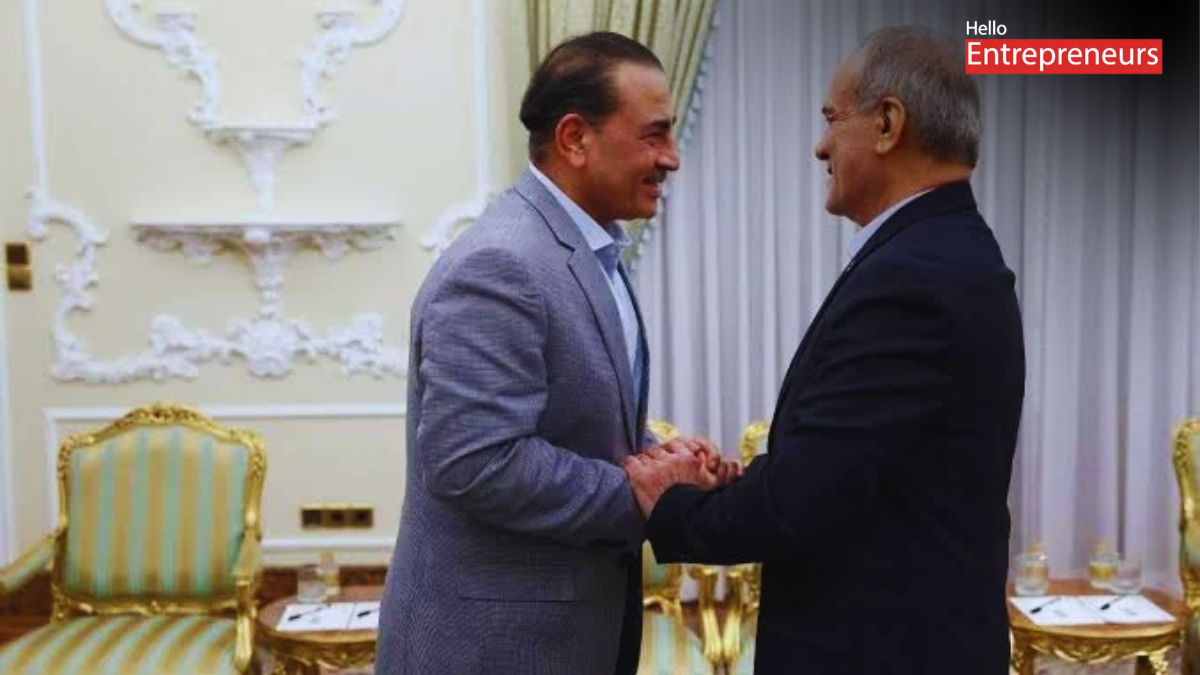
Iran’s not budging on its nuclear stockpile. When Pakistan’s Army chief, Field Marshal Asim Munir, showed up in Tehran, he got a clear answer: Iran’s enriched uranium isn’t going anywhere. Islamabad wants to revive stalled talks between Tehran and Washington, but Iran’s drawn its own lines.
Mohsen Rezaei, the secretary of Iran’s Supreme National Security Council, put it plainly during his meeting with Munir: “Not even a tiny bit of enriched nuclear material will leave Iran.” He called it a national asset—something that’s for the Iranian people and meant to be used inside the country.
So, any idea of sending Iran’s enriched uranium to a third country? Off the table. Tehran’s said before it won’t hand over material enriched to 60 percent—which is almost weapons-grade—but maybe, just maybe, they’d consider diluting it inside Iran’s borders.
Then there’s the topic of negotiations with the U.S. Rezaei made it clear Iran isn’t talking until Washington takes steps to rebuild trust. No negotiations, no side chats—at least not until America meets Iran’s conditions. Those demands are pretty straightforward: end the U.S. blockade on Iranian ports, lift sanctions on oil exports, and stop all hostilities. For Iran, a ceasefire only comes after these points are settled.
Munir’s trip was part of Pakistan’s push to play mediator. This wasn’t his first time in Tehran this year—far from it. He’s gone five times since June, meeting top Iranian leaders each visit. Pakistan wants to help bridge the gap between Iran and the U.S., but it’s tough work. A ceasefire deal cobbled together in June quickly fell apart over disputes about Hormuz Strait navigation and Iran’s nuclear ambitions.
Why does this uranium matter so much? It’s front and center in every negotiation. Washington wants Iran to slam the brakes on its nuclear activities. Iran insists it’s not trying to build nukes and has zero intention of handing over its enriched uranium stash.
Rezaei’s stance isn’t just a talking point—it’s a hard line. Tehran isn’t using uranium transfers as a bargaining chip, and that makes compromise even tougher. Right now, regional players like Pakistan are working hard to restart dialogue, but Iran won’t meet the U.S. halfway, and Washington isn’t backing down either.
What’s next? The big question is whether anyone can come up with interim steps that build a little trust without Iran giving up its enriched material. For now, everyone’s stuck. U.S. sanctions keep squeezing Iran, and both sides are still at odds over the nuclear program.
Iran told Munir, in no uncertain terms, that the enriched uranium stays put—and there’ll be no talks with Washington until Iran’s demands are met.

