



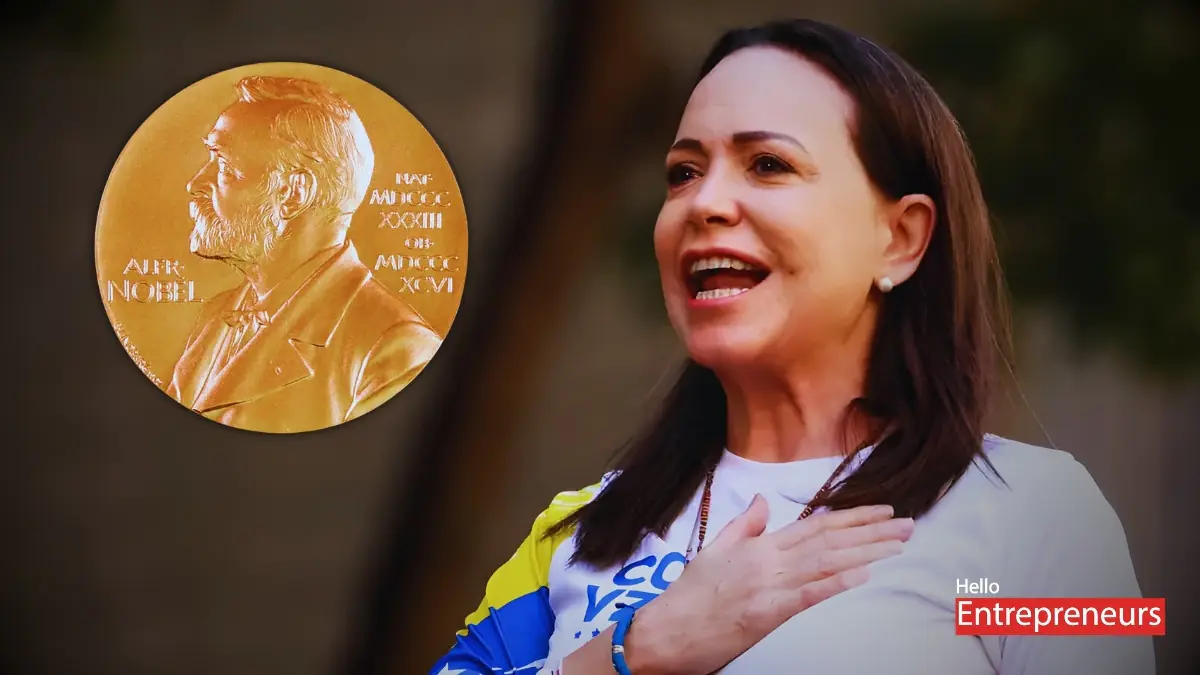
Mumbai: When the Nobel Committee called María Corina Machado, Venezuela’s most hunted opposition leader, the world got a reminder that courage still counts. The 58-year-old woman in hiding just bagged the 2025 Nobel Peace Prize.
The woman who wouldn’t hide quietly
Machado’s win isn’t just about peace. It’s a middle finger to fear. Barred from running in Venezuela’s 2024 presidential elections, widely called a sham, she refused exile. Instead, she chose to stay underground, organising from the shadows while Nicolás Maduro clung to power.
The Nobel Committee called her a “brave and committed champion of peace” who “keeps the flame of democracy burning during a growing darkness.” Hard to argue with that when you’ve been dodging arrest warrants for a year and still refuse to quit.
A peace prize with political voltage
Machado dedicated her award “to the suffering people of Venezuela and to President Trump for his decisive support.” Yes, she actually said that. In a post on X, she thanked Trump, Latin American allies, and democratic nations for “standing with Venezuela’s freedom fight.”
The message sparked global chatter because, let’s face it, the Nobel Peace Prize rarely lands in the lap of someone openly thanking an American president. Trump, by the way, had spent months campaigning for the prize himself. The White House fumed, saying the committee “chose politics over peace.”
Meanwhile, Israel’s Benjamin Netanyahu chimed in, calling the snub of Trump “unfair” and saying the former president “deserved” the prize.
The Nobel Committee wasn’t biting.
Committee chair Jørgen Watne Frydnes didn’t flinch. He told reporters the decision was made “only on the work and will of Alfred Nobel.” Translation: lobbying doesn’t buy you Stockholm, or Oslo, in this case.
For context, the 2025 Peace Prize was locked before Trump’s Gaza ceasefire announcement. So his timing was bad luck, or bad math.
The context Venezuela can’t escape
Machado’s award arrives as Venezuela sinks deeper into crisis. The economy is broken, political prisoners number in the hundreds, and the opposition is fragmented but still breathing, largely because Machado kept it alive.
She turned street rallies into mass movements and convinced factions that couldn’t agree on lunch to unite behind one cause: free elections. She backed Edmundo González Urrutia when she was barred from the ballot, and he briefly became a national hope before being forced into exile.
Her defiance, her staying in hiding within Venezuela, and her refusal to take the easy way out made her the face of resistance. As one analyst told the BBC, “She keeps the light on when everyone else goes dark.”
The Trump factor: noise or narrative?
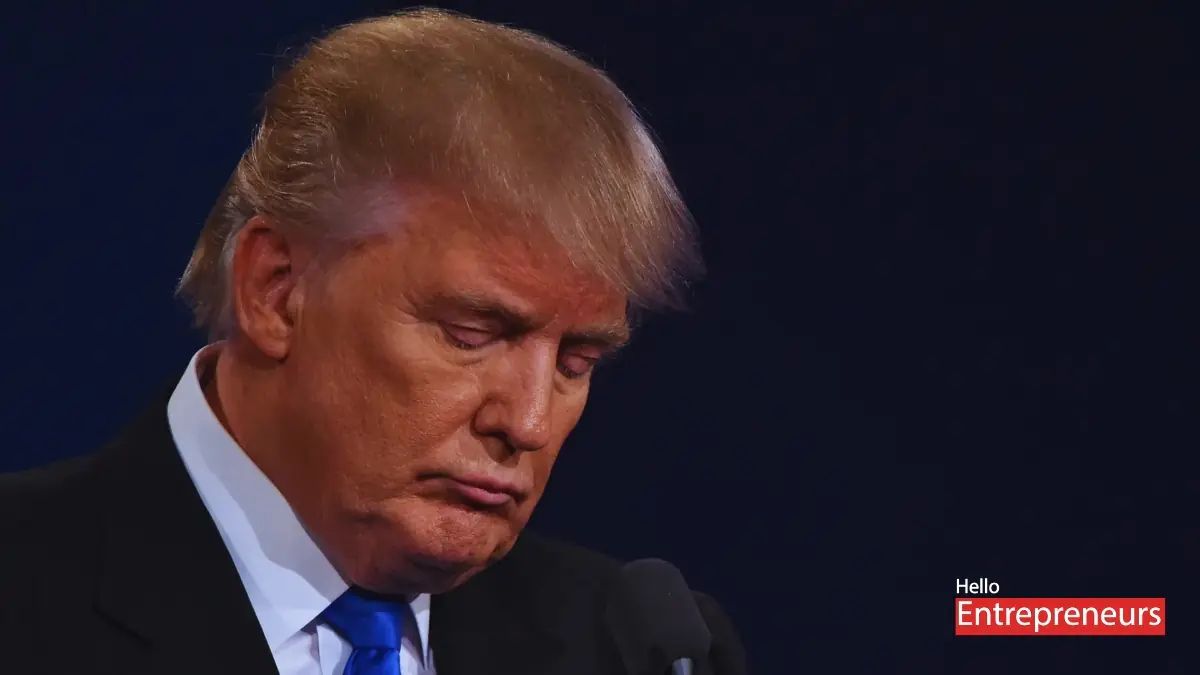
Trump’s obsession with the Nobel isn’t new. He’s been calling himself a “peace president” for years, even branding a Gaza truce his “seventh war ended.” Analysts and AI chatbots, amusingly, disputed those claims. The Nobel Committee didn’t even blink.
But Machado’s public praise for Trump plays smart politics. By aligning her cause with Washington’s biggest loudspeaker, she secures a shield. When an authoritarian regime threatens your life, global visibility is your best insurance.
Courage under fire
Machado could have left. Many did. Instead, she stayed put, knowing full well that Maduro’s security forces had made arrests, disappearances, and intimidation routine. The Nobel spotlight now forces the regime’s hand. Arresting her would be political suicide.
The United Nations called the award “a reflection of the Venezuelan people’s aspirations for free and fair elections.” The European Union hailed her as “every voice that refuses to be silenced.”
That’s not poetry, it’s protection. Recognition at this scale creates diplomatic armour.
Why this matters beyond Venezuela
The Nobel Peace Prize doesn’t usually move markets, but it moves narratives. And in Latin America, narratives are powerful. For years, Venezuela’s opposition has been treated as a tragic subplot. This award makes it front-page again.
For democracies worldwide, it’s a reminder that elections aren’t sacred until they’re defended. India, with its massive democratic machinery, knows that truth well. Machado’s story is a warning and an inspiration rolled into one: democracy dies when people stop fighting for it.
What comes next
Machado’s ceremony in Oslo this December is uncertain. Her security team says it’s “too early to tell” if she’ll attend. If she does, it’ll be a global headline. If she doesn’t, it’ll underline exactly why she won.
Either way, her name is now carved next to legends. From Malala Yousafzai to Mother Teresa, the Peace Prize has honoured people who risked everything to stand up to power. Machado belongs on that list.
The irony? The world’s most prestigious peace award just reignited a political war.

