



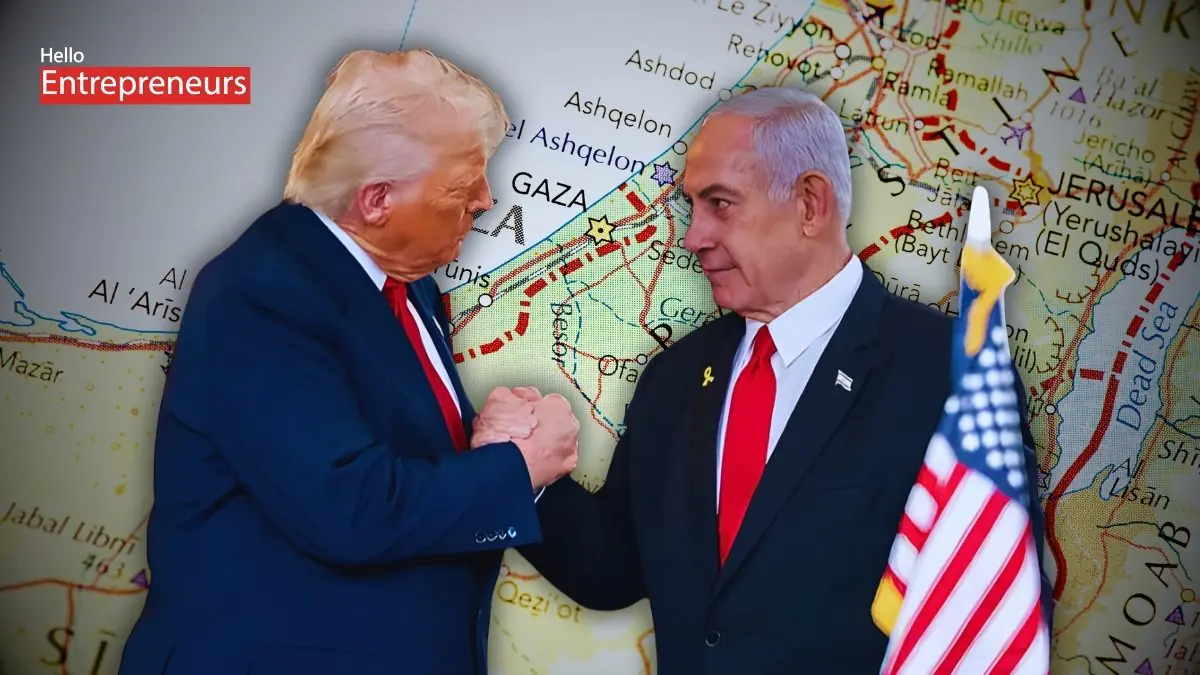
Mumbai: The Israel Gaza war is at a dangerous crossroads. Hostages may finally walk free, and Donald Trump is demanding Israel hit pause on its airstrikes. It’s a glimmer of hope in a conflict that has left Gaza reeling for nearly two years.
Trump Calls for an Immediate Ceasefire
Donald Trump doesn’t usually tiptoe into crises quietly. On social media, the former U.S. president made a blunt demand: Israel must immediately stop bombing Gaza. His rationale? You can’t rescue hostages while bombs are raining down.
“Israel must stop the bombing in Gaza immediately. The hostages’ safety comes first,” Trump declared, putting his own brand of urgency on a decades-old conflict. Later, he posted a video calling the day “very special,” promising fair treatment for all involved.
Observers note that Trump’s sway over Israeli policymakers gives this moment a rare shot at quick diplomatic traction. Never underestimate a wildcard, especially one with the audacity of a reality-show mogul turned negotiator.
Hamas Accepts Key Elements, Seeks Further Talks
Hamas cautiously embraced parts of Trump’s plan. The Palestinian group agreed to release hostages in exchange for Palestinian prisoners and to transfer administrative control in Gaza to a transitional authority backed by Arab and Islamic nations.
But this isn’t precisely a clean-cut surrender. Hamas insists several sticking points remain unresolved:
- Full disarmament of its military wing
- Complete Israeli troop withdrawal
- International guarantees for a lasting ceasefire
A senior Hamas official emphasised the group wouldn’t fully disarm until Israel ends its occupation. Translation: strategy still trumps diplomacy, at least for now.
Israel’s Reaction and Continued Strikes
Prime Minister Benjamin Netanyahu’s office confirmed that preparations for hostage release were underway, but did not directly acknowledge Trump’s ceasefire call.
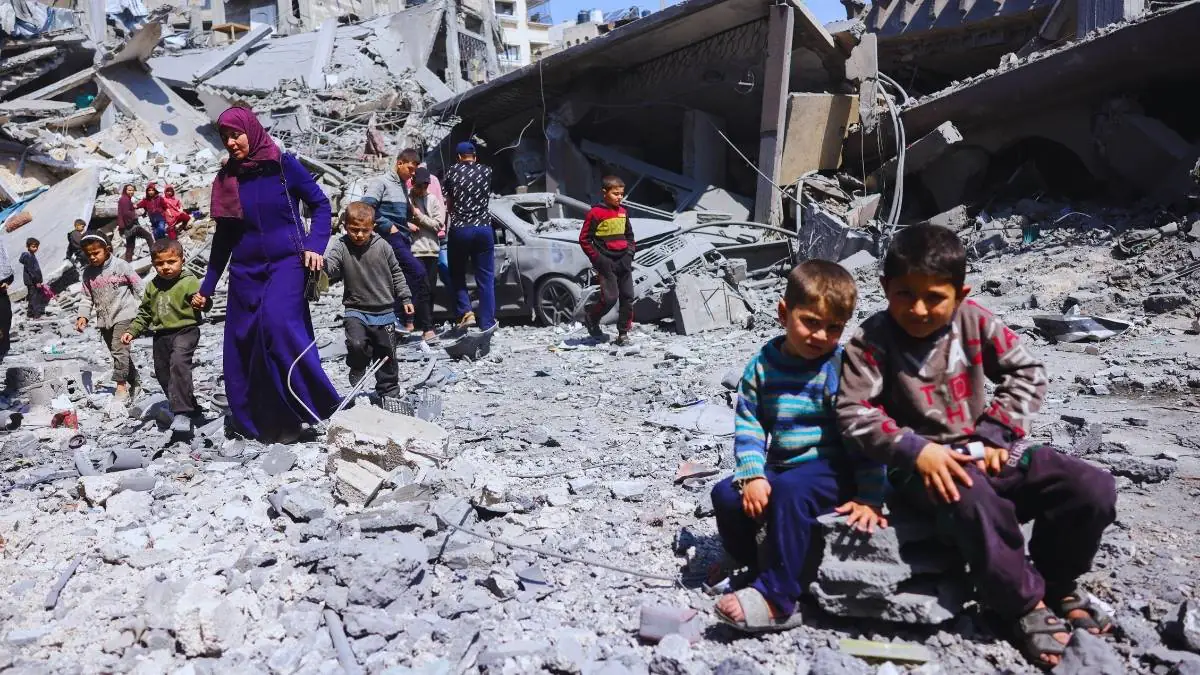
Meanwhile, Gaza was still getting hit. Civil defense authorities reported dozens of airstrikes and artillery attacks in Gaza City, leaving 20 homes destroyed. Casualties included four civilians in Tuffah and two children in Khan Younis.
So, even as mediators chatter about peace, the people on the ground are paying the price in real time. Civilians remain trapped between the politics of negotiation and the brute force of artillery.
The Humanitarian Toll
Numbers can numb the mind, but in Gaza, every statistic is a human life. Hospitals are overwhelmed, infrastructure is decimated, and families live under constant fear.
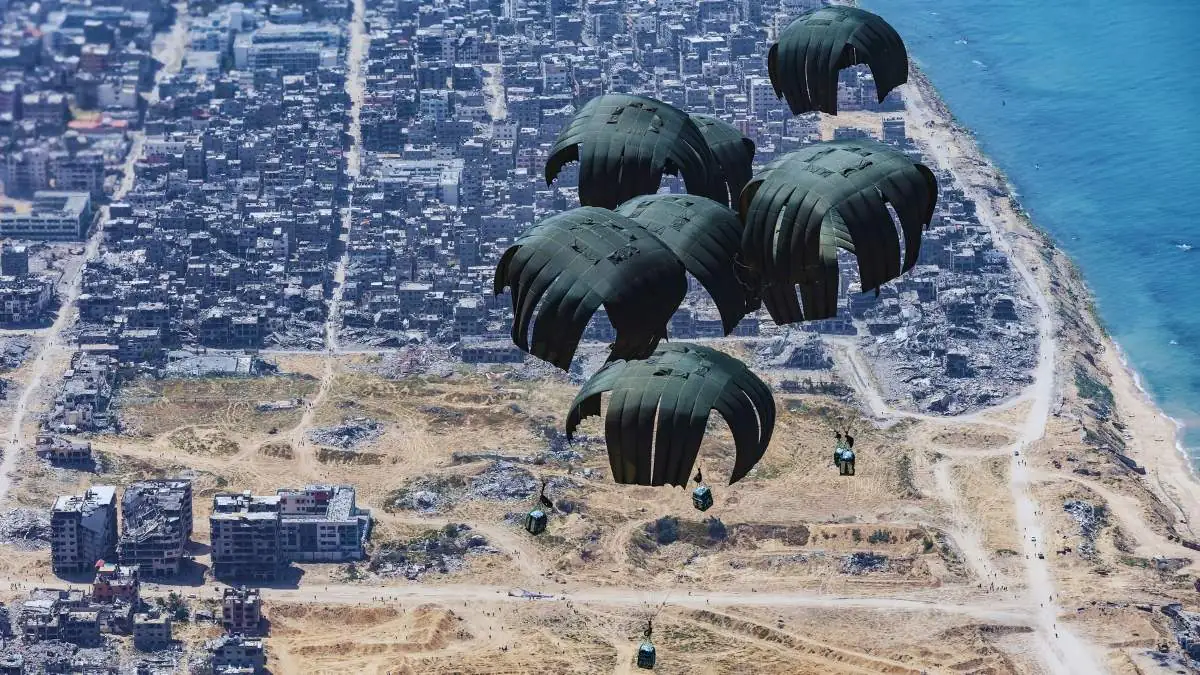
- 66,288 reported deaths, mostly civilians
- 170,000 injuries
- Thousands buried under rubble or displaced
- Chronic shortages of food, water, and medical supplies
For many, even a hint of hope is revolutionary. Samah Al-Hu, displaced in Al-Mawasi, said, “For the first time in a long while, I felt a moment of hope.” That’s how fragile life is here, hope is measured in seconds.
Global Reactions
World leaders are cautiously optimistic. There’s a consensus that a ceasefire is urgent, but the devil is in the details.
- UN Secretary-General António Guterres called for all sides to seize this opportunity.
- UK Prime Minister Keir Starmer described Hamas’s partial acceptance as “a significant step forward.”
- French President Emmanuel Macron said hostage release and ceasefire were “within reach.”
- German Chancellor Friedrich Merz called the plan the best shot at peace in almost two years.
Regional mediators from Qatar and Egypt are coordinating with the U.S. to make the fragile ceasefire stick and deliver aid.
Trump’s Roadmap for Peace
The Trump plan is methodical, at least on paper:
- Immediate halt to hostilities
- Hostage and prisoner exchanges within 72 hours
- Gradual withdrawal of Israeli troops
- Hamas disarmament and the establishment of a transitional authority
- Surge of humanitarian aid and reconstruction
Implementation, of course, is where the plan bumps into reality. Hamas has agreed to some measures but not the big-ticket items, like full disarmament. And Israel continues operations in key areas, creating a tense balancing act between diplomacy and military momentum.
Life for Civilians Amid the Conflict
For Gaza’s residents, daily survival is an endurance test. Families in temporary shelters track news obsessively. Even partial agreements spark quiet celebrations.
- Limited access to food, water, and medical care remains a daily challenge
- News of hostage releases fuels fragile hope
- If implemented, governance shifts could reshape Gaza’s security landscape
The human dimension is raw. People celebrate cautiously because they’ve learned the hard way that hope can vanish in an instant.
Strategic Implications
The Israel Gaza war isn’t just a local skirmish. This moment could reverberate across the region:
- Trump’s intervention underscores U.S. influence over Israel
- Disarmament and transitional governance could upend Gaza politics
- A lasting ceasefire could stabilize the Middle East, or at least parts of it
Analysts warn: slow or partial implementation could worsen humanitarian suffering and prolong instability. The clock is ticking.
Remaining Obstacles
Progress exists, but it’s fragile:
- Hamas hasn’t agreed to full disarmament
- Israeli military actions continue in some areas
- International monitoring is incomplete
- Aid delivery faces logistical and security hurdles
The success of the ceasefire will hinge on balancing immediate human needs with long-term security and political guarantees. It’s messy, high-stakes work, but nobody promised it would be neat.
Conclusion
The Israel Gaza war could be pivoting toward something rare: a ceasefire. Hostage releases and Trump’s bold call for a bombing pause offer hope. But the path remains treacherous. Civilians continue to suffer, international actors race against time, and every delay risks lives.
For Gaza’s millions, even a short pause in violence is a lifeline. For the world, it’s a reminder that diplomacy and audacity, sometimes delivered with a punchy social media post, can create moments of hope in the darkest conflicts.