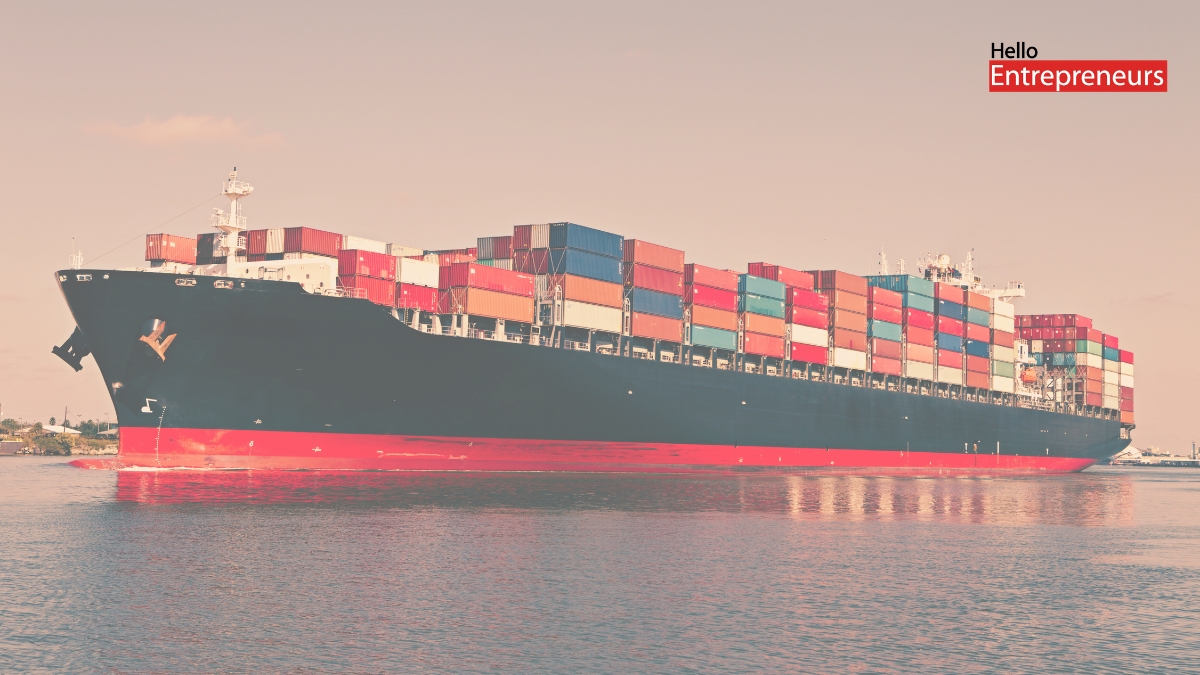








Iran is quietly thinking about letting European countries help clear mines from the Strait of Hormuz—something that could take some heat out of one of the world’s most tense shipping routes, according to Bloomberg.
This shift comes as diplomats scramble ahead of Tuesday, the deadline President Trump set. He’s threatened U.S. airstrikes if Tehran doesn’t quickly agree to reopen the waterway. U.S. Treasury Secretary Scott Bessent told CNBC on Tuesday that a deal to restore normal shipping might even come together “today or tomorrow.”
Publicly, Iran keeps insisting it won’t let foreign powers get involved with demining the strait. Privately, though, they’ve started to waver. Diplomats who’ve been in these meetings say Iran is less rigid behind closed doors. If real, this change could feed into a bigger deal—one that gets ships moving again and lowers the risk of another showdown with Washington.
Iranian foreign ministry spokesman Esmail Baghaein said Monday that Tehran isn’t talking directly to the U.S. right now. “Our negotiations are with Oman and are focused on reaching an understanding on a route that will ensure the safe passage of shipping through the Strait of Hormuz,” he said.
Markets didn’t waste any time reacting. Oil prices dipped as traders trimmed some of the risk they’d baked into prices. U.S. stock futures climbed, and the dollar slipped. Investors have been glued to these talks because reopening the strait would help steady global energy supply and ease everyone’s nerves about potential shortages.
The Strait of Hormuz is a seriously important choke point—it handles a big chunk of the world’s oil and gas shipments. Iran has mostly blocked it since February 2026, Bloomberg reports. In June, the U.S. and Iran managed a partial reopening, getting a few dozen ships through, but the mine problem was never dealt with.
Estimates say about 80 mines are still out there, making the whole operation tricky. Qatar has been working on some draft proposals to get things moving, while Oman is acting as the main go-between for Iran. Still, the signals from officials keep changing, and nobody knows if Tehran’s private hints will turn into a real, public deal.
Trump says the U.S. will hold off on more attacks if they strike an agreement soon. But with the deadline closing in, the whole thing is still up in the air—and whether the diplomacy works really comes down to whether Iran is ready to publicly back the same concessions it’s been discussing in private.