



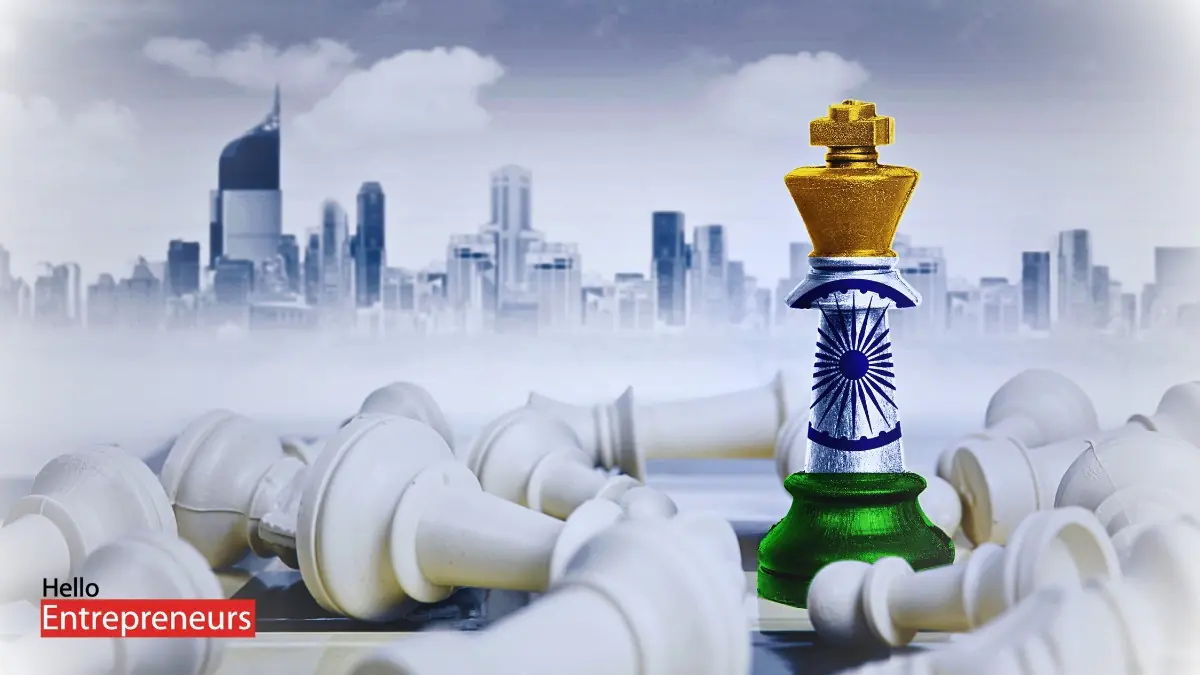
New Delhi: “India geopolitics 2025” is no longer a spectator sport. With Washington, Beijing, Moscow, and Islamabad all playing hardball, New Delhi is executing a multipolar balancing act that’s as strategic as it is risky, but, yes, it works.
US Pressure: Trade and Tech Tangles
India’s trade tango with the United States just got awkward. The White House slapped extra tariffs on India’s exports because of Russian oil purchases, some hitting 50%. That’s no small pinch on Indian exporters. Meanwhile, the H-1B visa fee spiked to $100,000, putting a serious dent in the mobility of Indian tech talent.
Trump claimed India had offered to cut US tariffs to zero, but let’s not pretend social media braggadocio equals diplomacy. The reality? Tariff policy is now directly tied to India’s energy choices, not just trade talks.
Yet the relationship isn’t falling apart. Washington approved the sale of 31 MQ-9B drones to India for maritime intelligence, and the iCET tech cooperation framework keeps moving forward. The takeaway: India and the US argue on trade, but still play on the same team when it comes to defense and tech.
China: Border Tensions and SCO Diplomacy
China remains the immediate military challenge. But at the Shanghai Cooperation Organization (SCO) summit in Tianjin, Beijing dialed down the rhetoric. Modi and Xi committed to compartmentalize the Line of Actual Control issues, resume flights, and expand exchanges.
This isn’t a fix for border disputes, it’s a test drive. India’s strategy: cooperate selectively while keeping deterrence intact. This isn’t naïve friendliness; it’s measured pragmatism.
Pakistan: The Persistent Disruptor
Pakistan’s volatility is a given. The Pehalgam attack killed 26 civilians, triggering May strikes and counter-strikes. Operation Sindoor continues, with Pakistan’s alleged Chinese backing highlighting the two-front threat India faces.
India’s answer: don’t overreact but stay lethal. Intelligence, surveillance, and precision strike capabilities remain central to managing escalation, while diplomacy ensures Pakistan doesn’t become a global flashpoint.
Russia: The Energy and Defense Linchpin
Russia is India’s indispensable partner. Crude oil imports from Moscow hit 1.3 million barrels per day in the first seven months of 2025,over a third of India’s total imports. Defense cooperation also deepens, with talks on additional S-400 systems ongoing.
Arms sourcing shows diversification, but Russia still tops the list. Between 2020–2024, Russia supplied 36% of India’s major arms imports, down from 55% in 2015–2019. Pakistan, in contrast, sourced 81% from China, illustrating why Moscow matters strategically.
SCO Summit: Multipolar Chessboard
The SCO summit was more than photo ops. Modi and Putin reinforced counter-terrorism, connectivity, and defense partnerships. At the same time, India engaged China carefully. It’s multipolar chess in action: hedging, selective alignment, and strategic autonomy all on display.
- Hedging: India aligns with the US in tech and defense while maintaining ties with Russia.
- Strategic Autonomy: Also known as Nonalignment 2.0, practical cooperation with Europe and the US, while securing energy and defense needs from Russia, and managing China via deterrence and dialogue.
Strategic Moves: Budget, Defense, and Tech
India’s defense budget rose to ₹6.81 lakh crore in 2025, with ₹1.98 lakh crore for modernization. Capital outlays are focused on deterring both China and Pakistan, ensuring operational readiness.
Economic resilience is next. Separating trade negotiations from energy security ensures tariff spikes don’t derail tech or infrastructure growth. iCET is central here, leveraging supply chain and semiconductor advantages.
Russia remains a key energy and defense anchor. Secure payment mechanisms via third-country currencies are one solution. Joint tech development and strategic imports from Russia cover gaps where Western cooperation isn’t yet possible.
The Big Picture: India Geopolitics Ladder
- United States: Critical tech and security partner, but tricky trade ally.
- China: Pacing military competitor, selective cooperation.
- Pakistan: Immediate disruptor, manageable with intelligence and precision.
- Russia: Energy and defense linchpin, multipolar stabilizer.
Hedging and strategic autonomy aren’t just buzzwords; they’re practical strategies for survival in a multipolar world. The SCO summit, Trump’s tariff threats, and border negotiations simply made visible what India has been quietly executing for years. India’s path forward: preserve growth, maintain deterrence, and keep every partner in play, on its terms.
Also Read: The Trump Pharma Tariff Hits India’s USD 10B Export Engine

