



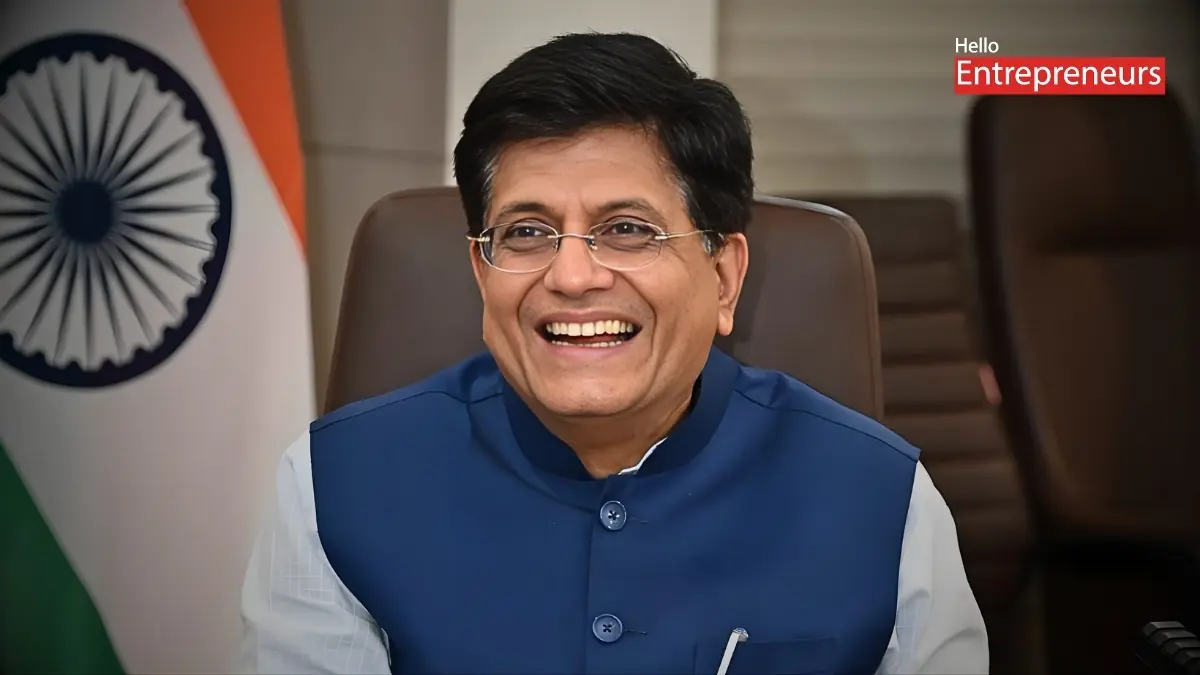
New Delhi: The India-EU Free Trade Agreement has been anticipated to take at least years of careful advancement before it seems like it is going beyond the negotiation tables to reality. Brussels is upbeat. New Delhi’s confident. Both parties are concerned that they can seal the deal at the end of the year, and this time, they mean it.
Brussels Gambling With Hope.
When diplomats use terms like ‘momentum’ and ‘significant progress,’ they are, in fact, speaking well. However, this time, even the Europeans sound excited.
The EU Ambassador to India, Herve Delphin, was thrilled when he spoke of the positive track towards talks, which is ongoing, saying that the negotiators continue to work around the clock to have everything completed before the end of 2025.
Beneath the diplomatic language lies a very simple message: The India-EU Free Trade Agreement that has been floundering in technical quicksand is finally gaining momentum.
This was after a round of severe meetings in Brussels between the Commerce Minister of India, Piyush Goyal and the European Commissioner of Trade and Economic Security, Maros Sefcovic. Both men finished the table with a satisfaction–dare we say–to express it. Sefcovic praised Goyal on the positive talks, and the two groups are striving to deliver on the mandate placed on them by President von der Leyen and Prime Minister Modi.
He announced too that an EU technical team is soon visiting New Delhi to get a deal ready on tariffs- one of the most knotty aspects of the accord.
The Mission of Goyal
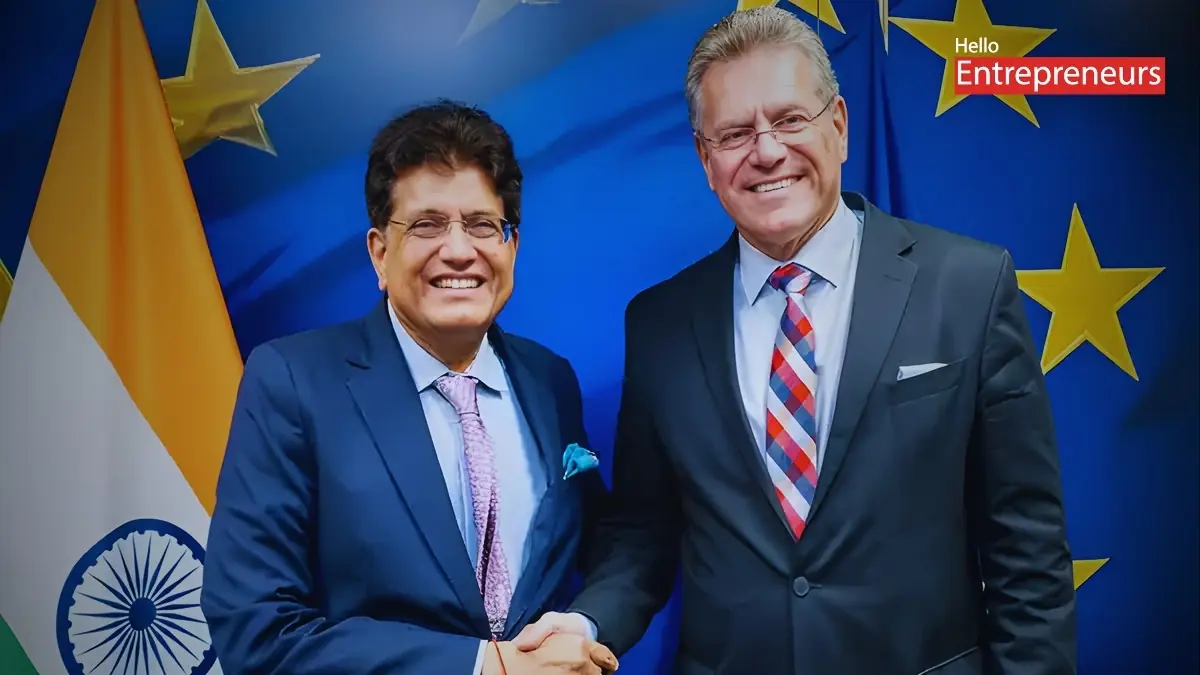
Piyush Goyal does not mince words, and there is one thing that he is known to be good at. He referred to the Brussels round as an intense and yet very productive.
That is political jargon of hard or difficult talk that actually bore some fruit. Goyal states that the negotiations reduced pending matters and developed a new paradigm to provide what he termed a win-win situation to both economies. Less roadblocks and more direction, in short.
He reiterated that India is still dedicated to the common vision of Prime Minister Narendra Modi and the EU President Ursula von der Leyen, the partnership that is based on innovation, trade, investment, and the creation of employment.
It was not only courteous diplomacy. The tone of Goyal was purposeful. India no longer plays defence; it is now negotiating on strength.
What is on the Negotiation Table?
This meeting in Brussels is the second round after the 14th round of FTA negotiations this month, which had already opened up in various areas. The most recent debates were based on that momentum, addressing not only tariffs but also non-tariff barriers, as well as industrial tariff lines that dictate the level of market access of goods.
India is bargaining vigorously for better terms for its labour-intensive industries, textile, leather and agriculture, whereas the EU is apprehensive about other sensitive areas, such as steel, auto and the EU Carbon Border Adjustment Mechanism (CBAM).
According to the Ministry of Commerce and Industry, negotiators strived to develop transparent and predictable structures to enhance long-term trade. On its part, India expressed concerns about non-tariff measures and new EU regulations, as they will increase the difficulty in exports. The tone, according to one of the high officials, was intensive but constructive. Translation: there is reality in disagreements, but in a desire to overcome it.
Strategic Rebirth of Ex-Partners?
This explosion of energy did not occur overnight. The renewed push towards an India-EU FTA comes as a directive from the top. As Prime Minister Modi and the European Commission President von der Leyen met earlier this year, both of them decided to reset the relationship to regain the previous trust in trade.
Their combined message was clear-cut: the biggest democracy in the world and the biggest economic bloc of the world must have a partnership worthy of tomorrow, prosperous, sustainable and innovative.
India and the EU have close to 25 per cent of the world’s GDP. India already has the EU as one of its largest trading partners, comprising approximately 10 per cent of the total trade. To Brussels, this is not just a business arrangement; it is a continuation of the process of its diversification of supply chain and eliminating its reliance on China.
Simply put, the two parties can not do without one another. Europe is carrying capital, technology and standards. India takes advantage of talent and manufacturing volume.
The German Connection
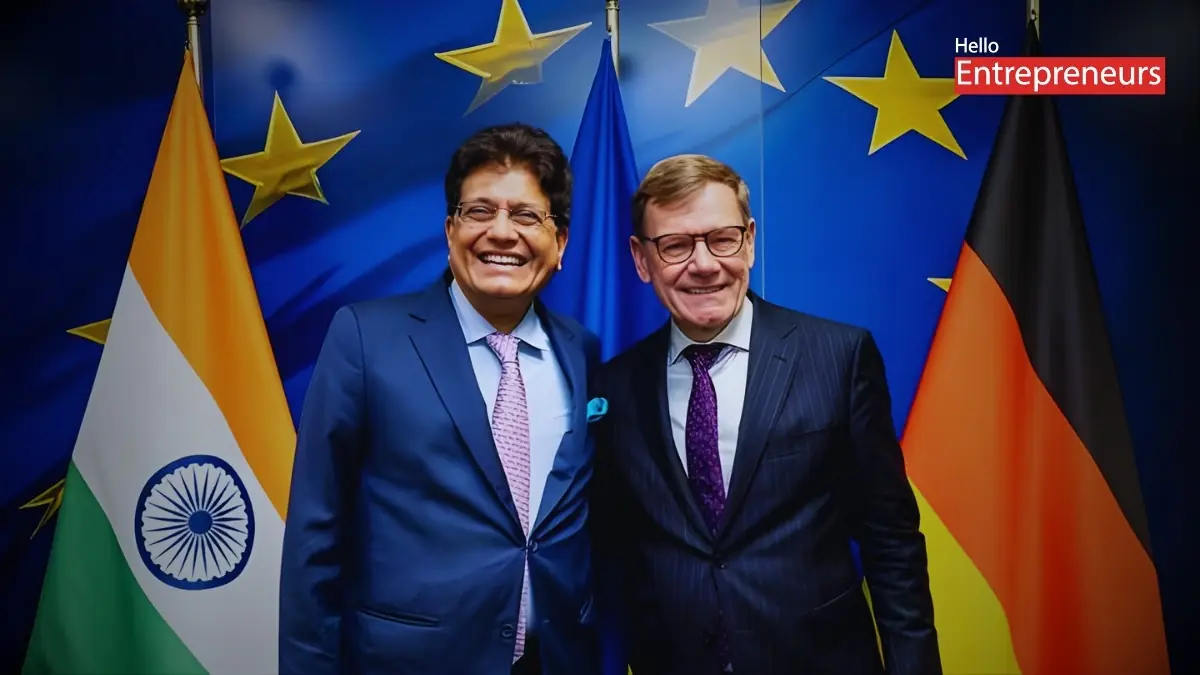
Goyal had a stop in Germany before he flew to Brussels. There he met Johann Wadephul, the Federal Minister of Foreign Affairs of Germany and Anne-Laure de Chammard of Siemens Energy. Its areas of interest were obvious: to intensify economic partnership and energy cooperation. As the powerhouse in Europe, Germany is eager to ensure that this FTA is signed at the earliest possible moment-it will benefit by having access to one of the most vibrant markets in the world. That pre-meeting trip was the sounding board of the Brussels meetings and how far the political capital is today invested in seeing the FTA through to the finish line.
Last Mile-Tariffs, Tech, and Trust.
The two now look at reaching an end-of-year deal with an appreciation that the text should be balanced, equitable and progressive. Very soon, a technical team of the EU Directorate-General on trade will be dispatched to India with a view to completing the tariff lines and deliberating on the unresolved sensitive issues.
Sefcovic indicated that he and Goyal had agreed to remain closely in touch with each other to maintain the rhythm. The objective: an all-encompassing agreement that streamlines business, safeguards the industry, and stimulates innovations.
This is in contrast to the trade pacts of the older generation that basically concentrated on tariffs, but rather on building smart and adaptive frameworks of trade-sustainability, digital trade, and the green transition.
In the case of India, it is also concerning credibility. A balanced FTA with the EU would mean a lot: New Delhi will be able to negotiate on the same terms with the global powerhouses, rather than as one of the weak brother states.
Talks to Transformation.
At last, both parties sound quite harmonious. EU refers to it as positive momentum. India calls it “productive.” Badge off the jargon, and this is what is underway: a literal rush to reverse a decade of sluggish gains into a tangible consensus.
As long as this energy is retained, the India-EU FTA might redefine the trade route between New Delhi and Brussels, connecting markets, enhancing exports, and establishing a higher standard of what the global relations of collaboration should be.
This is not all about paperwork. It is also about resetting the business relationship in a shifting world between two great democracies.

