



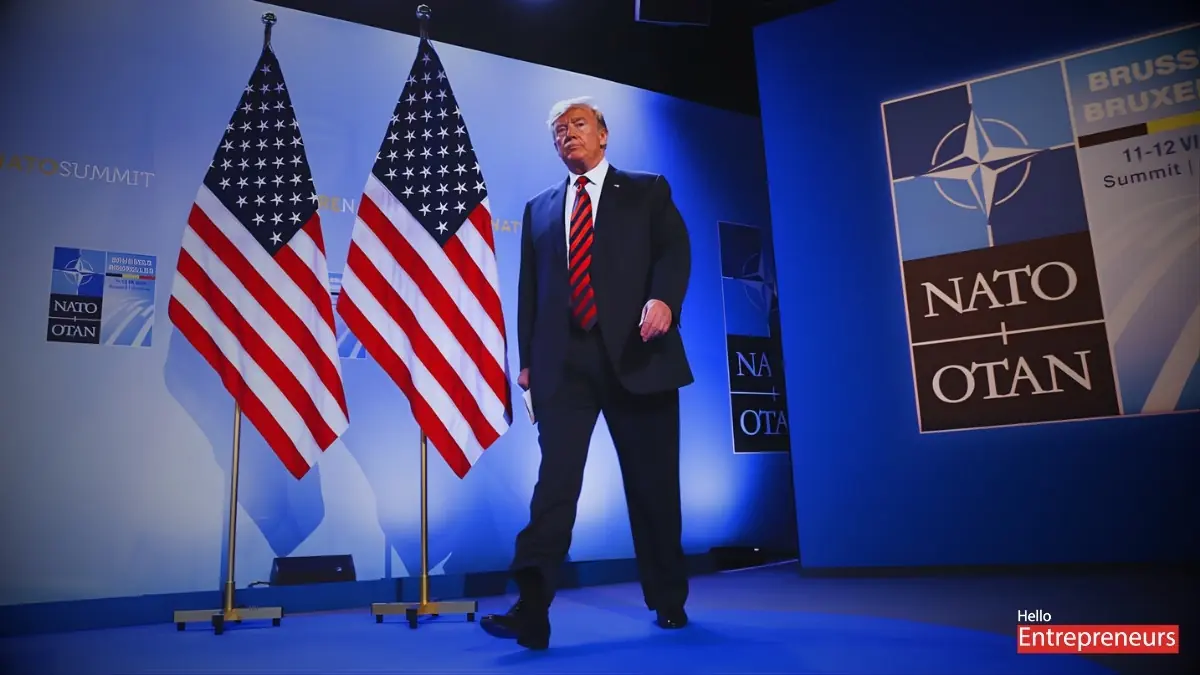
Mumbai: Donald Trump wants Greenland. Again. And this time, Europe isn’t laughing. It’s recalculating alliances, legal red lines, and the future of NATO itself.
For months, European capitals have struggled to decode Donald Trump’s insistence that the United States must take control of Greenland.
What began as a surreal talking point has hardened into something far more unsettling. Trump keeps repeating it. Publicly. Bluntly. Without irony.
That persistence has rattled Europe.
The Trump Greenland annexation narrative has collided with an already fragile transatlantic moment. Ukraine remains at war. Russia is watching. NATO unity is under strain. And suddenly, a founding NATO member is openly talking about taking territory from another.
Solidarity, Fear, and Strategic Paralysis
European leaders moved quickly to show support for Denmark and Greenland. Nordic and Baltic countries led the charge. France, Germany, and the UK followed. Statements were coordinated. Language was careful. Names were avoided.
No one explicitly condemned Trump.
That hesitation speaks volumes.
Behind closed doors, European officials admit they are walking a tightrope. Denmark must be defended. International law matters. But Europe still depends on Washington, especially for Ukraine’s survival.
One senior European official described the dilemma as a “fine line.” Solidarity with Denmark is non-negotiable. Venezuela is different, legally murky, politically convenient. Ukraine, however, requires American backing. Lose that, and Europe’s security architecture wobbles.
Another EU official was more blunt. Europe knows which allies can no longer be taken for granted. It’s just hoping that reality somehow reverses itself. Hope, however, is not a strategy.
Trump, Greenland, and the NATO Nightmare
Trump’s rhetoric has forced NATO into an impossible hypothetical. What happens if one NATO member uses force against another?
Danish Prime Minister Mette Frederiksen didn’t sugarcoat it. If the United States attacks another NATO country, everything stops. Mutual defence collapses. The alliance fractures. History intervenes.
That’s not hyperbole. NATO’s Article 5 was never designed for internal conflict. Greenland turning into a flashpoint would force 30 allies to choose sides. The alliance’s credibility would take a direct hit.
NATO Secretary-General Mark Rutte now finds himself managing a crisis that shouldn’t exist. Officials have leaned into Trump’s own framing, acknowledging Greenland’s strategic importance for Arctic security. The logic is simple. Address the concern. Remove the excuse.
Why Greenland Matters?
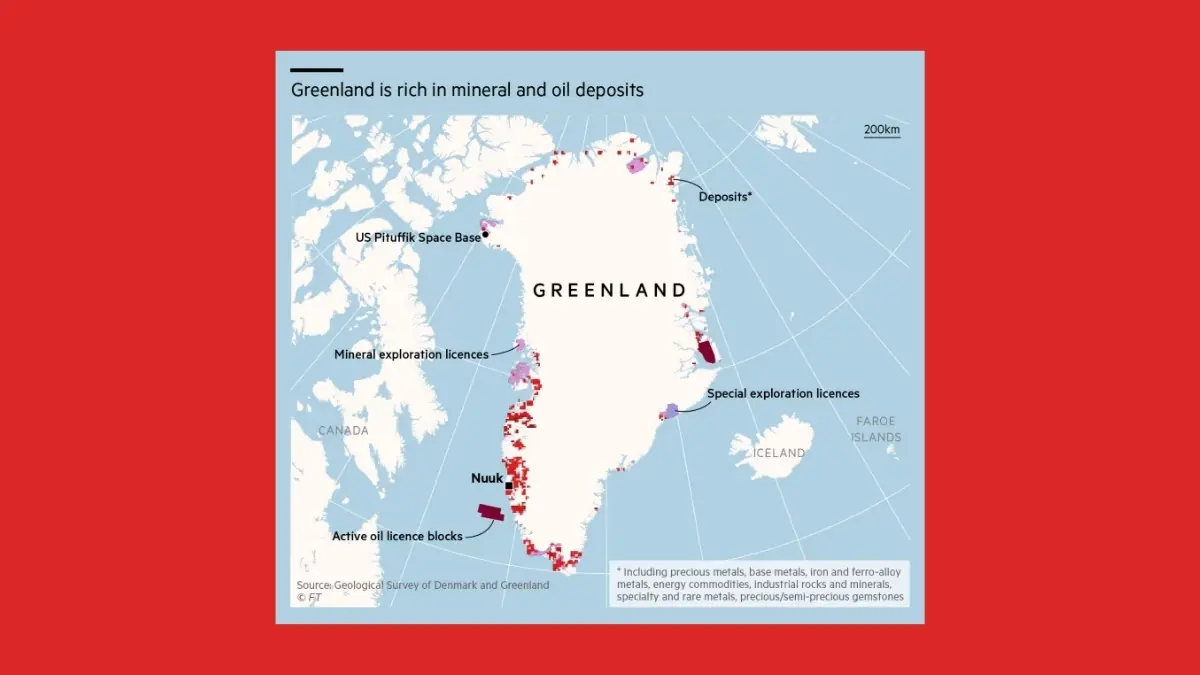
Greenland sits at the heart of Arctic geopolitics. Missile defence. Early warning systems. North Atlantic access. It’s why the US already operates its only Greenland military base there, under a defence agreement that dates back 75 years.
At its Cold War peak, the US stationed over 10,000 troops on the island. Today, fewer than 200 remain. Denmark has repeatedly signalled openness to expanding the American presence. New bases. More radar. Enhanced surveillance.
None of that requires annexation.
That’s what confounds European diplomats. The US can already get nearly everything it wants. Security cooperation. Military access. Political dialogue. Greenlandic leaders have even said the island is open for business.
Yet American investment in Greenland’s mining sector has been tepid. Rare earths remain largely untapped. The opportunity exists. The appetite doesn’t.
So why push for ownership?
Europe’s Quiet Alarm Over Trump’s Methods
European officials say Trump’s recent actions suggest a president increasingly unconstrained by international law. The US operation to capture Venezuela’s Nicolás Maduro sent a signal. Rules are flexible. Power decides.
That context makes the Trump Greenland annexation rhetoric harder to dismiss as theatre.
Denmark believes Trump initially tried to pressure Copenhagen directly. When that failed, he appeared to pivot toward Greenlanders themselves. Appeal over the head of the Danish government. Create internal tension. Apply leverage.
What comes next is the fear no one wants to articulate.
The UK, Sweden, and Latvia Step In
UK Prime Minister Keir Starmer publicly backed Denmark, stating that Greenland’s future belongs solely to Greenland and the Kingdom of Denmark. His intervention came amid pressure from opposition parties and his own MPs to stand up to the White House.
Sweden’s Prime Minister Ulf Kristersson echoed that position. Only Denmark and Greenland have the right to decide Greenland’s future.
Latvia’s President Edgars Rinkēvičs took a more diplomatic line. The US has legitimate security concerns, he said, but they must be addressed through direct dialogue, not coercion.
That dialogue, however, appears stalled.
Denmark Has Already Acted
Trump mocked Denmark on Sunday, claiming it had added “one dog sled” to Greenland’s defence. Copenhagen responded with facts.
In October, Denmark announced a $4.2 billion defence package for Greenland. Two new military units. A new Arctic Command headquarters. Two ships. Maritime patrol aircraft. Drones. Radar systems.
This isn’t symbolic spending. It’s a strategic reinforcement.
European officials point to Canada’s experience as a possible roadmap. When Trump previously floated the idea of absorbing Canada, Ottawa responded by increasing defence spending and deepening NATO engagement. The rhetoric faded.
Europe hopes the same formula works here.
Venezuela Is Not Greenland
Trump’s advisers have attempted to frame Greenland and Venezuela under the same concept of hemispheric defence. Geographically, North America. Strategically vital. Fair game.
The European Commission rejected that comparison outright.
Greenland is a US ally. It sits under NATO’s security umbrella. That distinction is decisive. Europe stands fully behind Greenland and Denmark. No ambiguity. No comparison.
India’s Strategic Takeaway
From New Delhi, the lesson is clear. Alliances are becoming transactional. Geography is destiny again. Arctic routes matter. Rare earths matter. Military access matters.
India, which has steadily expanded its Arctic research presence and defence diplomacy, is watching closely. The Greenland episode underscores why strategic autonomy matters. Dependence creates vulnerability, even among allies.

