



New Delhi: It’s no secret that China plays the information game like cricket on a flat Wankhede pitch. Aggressive, flashy, and often bending the rules. A new US report now calls out Beijing for a full-blown disinformation drive targeting France’s Rafale jets right after India’s conflict with Pakistan. And the timing wasn’t accidental.
The China Disinformation Campaign
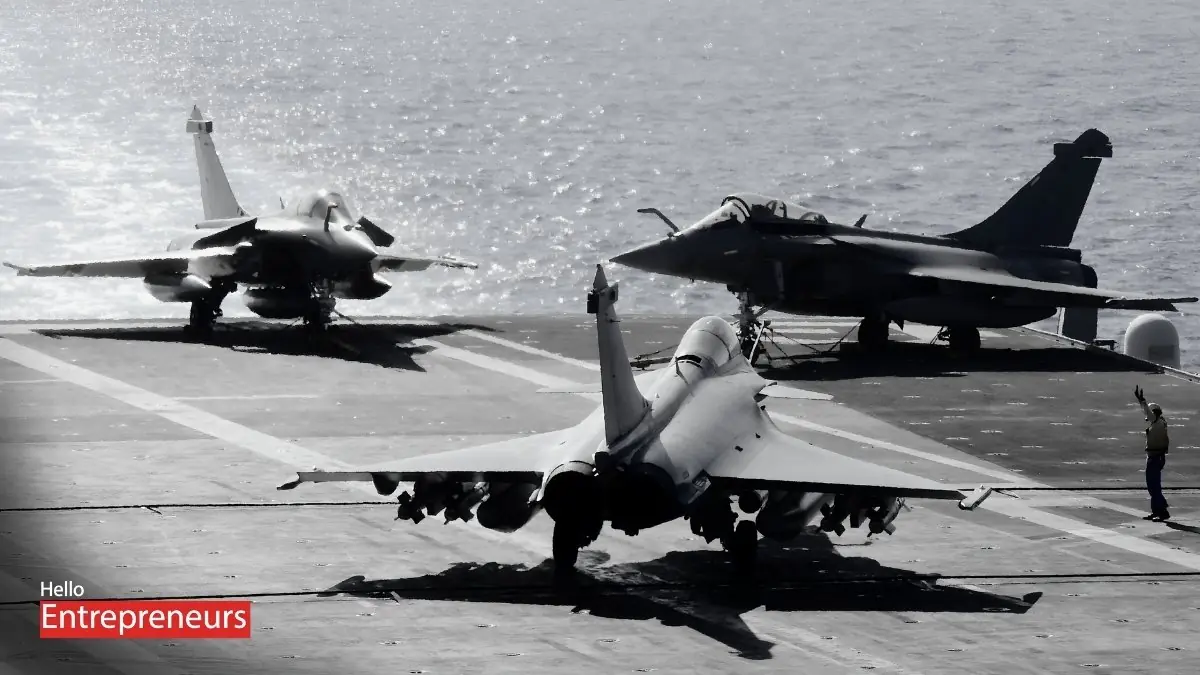
The US-China Economic and Security Review Commission says China pushed a coordinated disinformation campaign to undercut the Rafale and boost its own J-35 fighter. The tactic was simple but dirty: use fake social media accounts to circulate AI-generated and even video-game images pretending to be “Rafale debris” supposedly destroyed by Chinese weaponry.
This show started almost immediately after the May India-Pakistan border crisis ended. India had made it clear: not a single Indian Air Force jet was lost. Yet China tried to drown the facts under a wave of online fiction.
France had already hinted something was off. Months earlier, their intelligence community warned they were battling shadow campaigns against Rafale exports. Now the US report ties the threads neatly.
How China Tried to Ride the India-Pak Crisis
China isn’t shy about grabbing every geopolitical opening. The India-Pak clash provided the perfect canvas.
After Pakistan’s unprovoked drone and missile attack on Indian cities triggered the conflict, China moved fast. The US report says Beijing showcased the alleged “successes” of its weapons during the crisis, trying to build hype around the J-35.
And the strategy had some effect. Indonesia, which was deep into a Rafale purchase process, reportedly paused the agreement after China’s information push. For Beijing, nudging even one major buyer is a win. For India, it’s a reminder that information warfare hits markets as much as military morale.
The Pakistan Connection
The groundwork was laid months earlier. China and Pakistan conducted three weeks of Warrior-VIII counterterrorism drills, followed by the Chinese Navy’s participation in Pakistan’s AMAN exercises.
Then came the big pitch: China reportedly offered Pakistan 40 J-35 jets, KJ-500 aircraft, and ballistic missile defence systems in June 2025. The same month, Pakistan bumped its defence budget by 20 percent.
None of this is illegal. But in context, it paints a sharp picture: Beijing building influence while Islamabad buys enthusiastically.
Indian Politics Weighs In
Back in Delhi, BJP leader Amit Malviya asked a pointed question: who kept amplifying China’s narrative during the conflict by demanding “numbers” on jets the IAF had already said were safe? This is the core of modern misinformation. You don’t need proof. Just sow doubt. Push the question hard enough, and someone somewhere starts believing the rumour.
Meanwhile, India wasn’t exactly sitting idle. Operation Sindoor, launched on May 7 to avenge the Pahalgam terror attack that killed 26 civilians, crushed terror infrastructure across Pakistan and PoK and eliminated over 100 terrorists. Beijing’s fake narratives conveniently ignored this.
What This Says About the Region’s Next Phase
South Asia is now a stage for old-school warfare blended with digital mischief. China understands that if it can’t outshine Rafale in real combat performance, it can try to dent its brand in the global market through online noise.
It’s an asymmetric strategy at its cleanest. Low cost, high reach, fast impact.
For India, the message is clear: we need radar for drones and radar for disinformation. Air power is about thrust and altitude, yes.
But it’s also about clarity, credibility, and controlling the story.
Also Read: US Shutdown Vote Ends 43-Day Circus, New Visa Drama Begins?

