



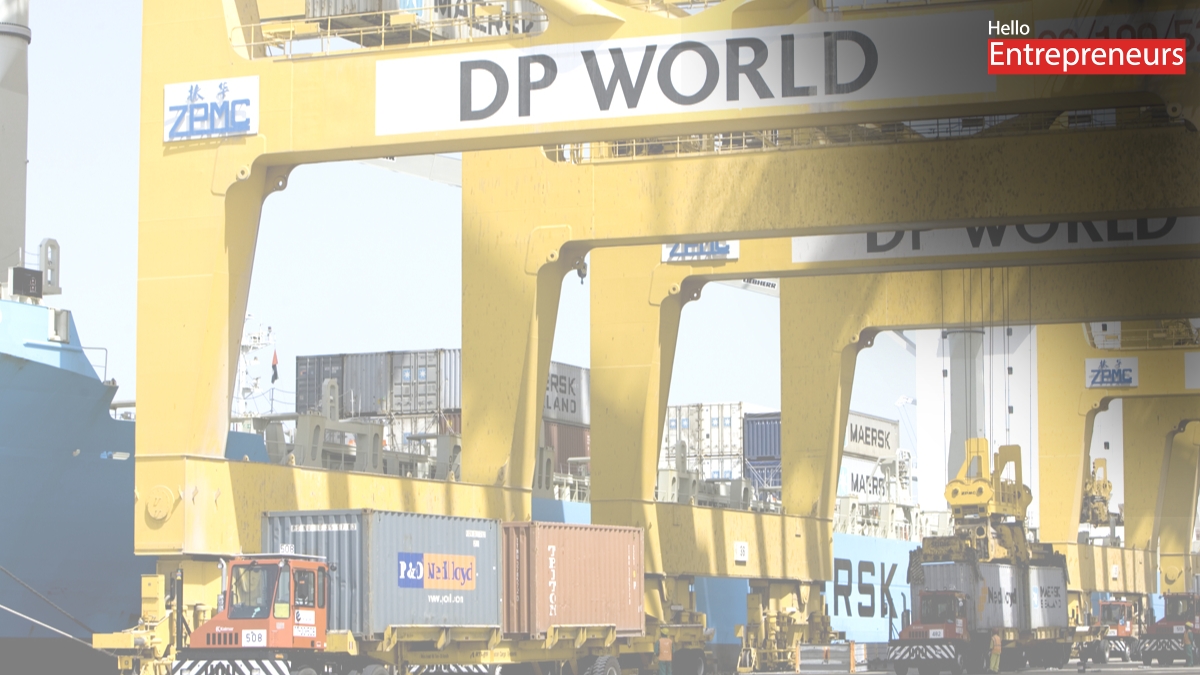
DP World’s plan to build a new port near Fujairah isn’t just another UAE infrastructure project. It signals a big shift in global shipping, where flexibility, security, and managing geopolitical risks now stand shoulder-to-shoulder with cost and speed.
This move comes as trade routes around the world hit more roadblocks—geopolitical strains, local conflicts, and sudden disruptions at crucial maritime points. By investing on the east coast of the UAE, outside the Strait of Hormuz, DP World wants to give shippers more options and reduce their reliance on one of the world’s most strategically touchy waterways.
The Strait of Hormuz is always busy. A huge chunk of the world’s oil and tons of containers go through every day, connecting Asia, Europe, and Africa. If something goes wrong there—a skirmish, a standoff, any kind of security blow-up—freight rates spike, insurance gets pricier, schedules fall apart, and global supply chains feel the shock almost immediately.
That’s why Fujairah matters. Sitting on the Gulf of Oman, the port connects straight to international shipping lanes without forcing vessels through the Hormuz bottleneck. Upgrading the UAE’s east coast means cargo can still move, even if things heat up regionally.
Analysts see this as part of a bigger trend. Instead of funneling trade through a handful of giant ports, both governments and logistics companies now spread their bets—building up a web of alternative ports and corridors ready to step in when trouble hits.
And let’s be honest, the world’s gotten a rough wake-up call lately. COVID-19, Russia’s war on Ukraine, ships attacked near the Red Sea, wider Middle East instability—these events have poked holes in the old model of super-concentrated supply chains. So now, businesses put resilience at the forefront, not just efficiency.
For the UAE, this port project strengthens its role as a logistics powerhouse. Over the years, the country has poured money into its ports, free zones, pipelines, and roads—building itself into a global trade gateway. Expanding eastward just adds more muscle to a dynamic, diversified network and highlights the UAE’s reputation as a steady logistics partner.
On a larger scale, this port marks a turning point in maritime strategy. It used to be all about the biggest port, the most cargo. But these days, the smart money’s on resilience, flexibility, digital reach, and the capacity to keep trade flowing no matter what the headlines say.
The ripple effect goes far beyond the Gulf. Supply chain managers, insurers, manufacturers—they’re all rethinking old habits. They want more routing options, less risk piled on one chokepoint. Ports like Fujairah, before considered secondary, now look a lot more important in keeping global trade on track.
In short, as world trade becomes more unpredictable, the focus shifts to ports and routes that stay open when others close. DP World’s Fujairah idea is more than just another construction site—it’s a model for what the future of shipping looks like, where staying resilient is the true edge.

