



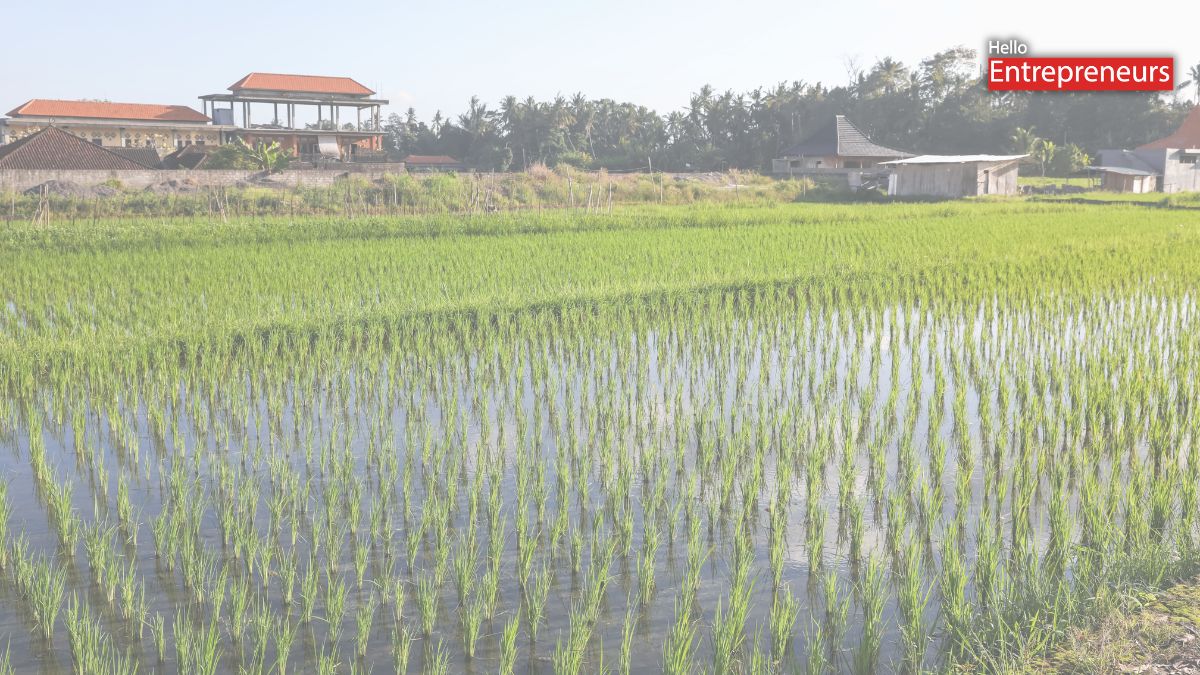
The world is watching with concern as the ‘below normal’ monsoon forecast for 2026 could disrupt domestic food prices and global supply chains. According to the Indian Meteorological Department (IMD), the El Niño phenomenon could affect the monsoon this year, with the potential for droughts and ravaged crops being an ever-present threat.
How does poor rain affect rice
Subpar rains could affect kharif sowing and the replenishment of reservoirs, which will also affect the rice crop this year. If this continues, it could lead to a significant drop in rice acreage, which could affect India’s food security this year.
If that does happen, there are fears that India may ban rice exports, as a means to arrest prices, with retail prices that could increase by 11-12% this year. Along with that, geopolitical factors in West Asia could also affect exports, with increased freight costs affecting margins and timely deliveries.
India had banned rice exports in 2023 following poor rains. Back then, global prices rose after India halted exports, with many import-dependent countries forced to find alternatives even as prices rose. Currently, India accounts for almost 40% of the global rice exports, shipping rice to almost 140 countries.
The Silver Lining
Though a rice ban export cannot be ruled out, last year’s above normal monsoon has meant that India now has a significant, 50 million tonnes buffer of rice, a 6% rise from last year. This could feed us for about 2 months, but that depends on how well the crop turns out this year.
With the heatwave already affecting inflation this year, a below-average monsoon could make food inflation worse, affecting our inflation numbers.

