



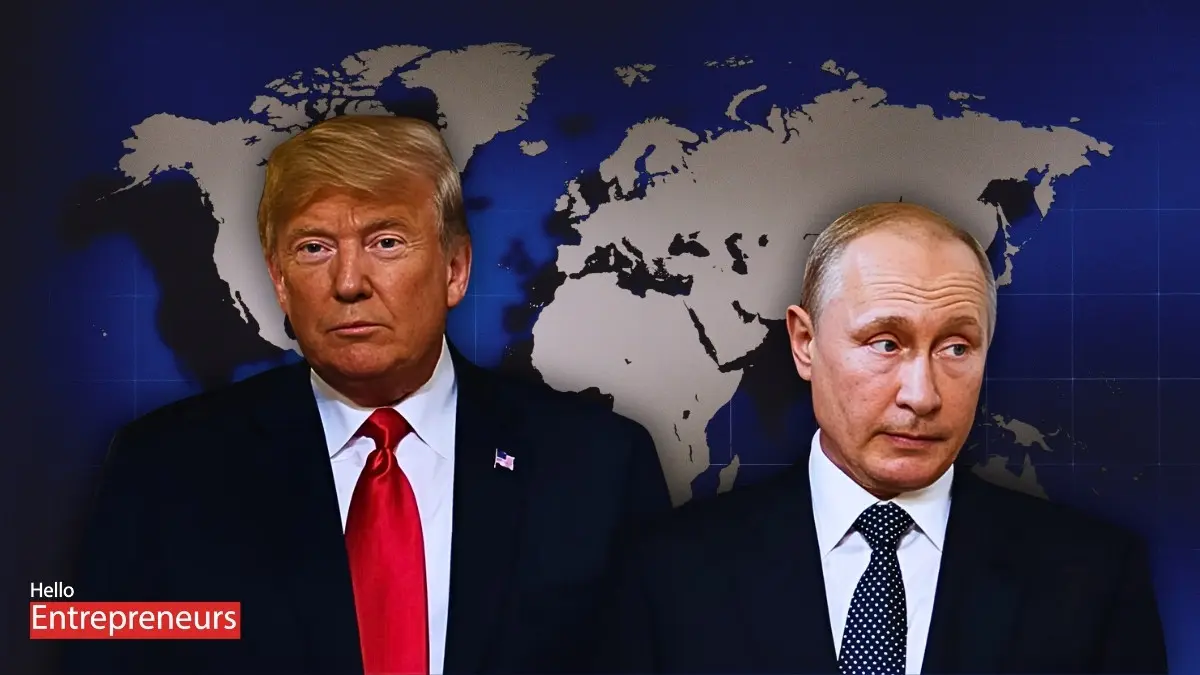
New Delhi: It is one thing to stage a summit, another to let two showmen meet behind closed doors while entire nations wait outside. On Friday, at Joint Base Elmendorf-Richardson in Anchorage, Alaska, President Donald Trump will sit alone with Vladimir Putin, in a meeting the White House calls a “listening exercise.” If you remember Helsinki 2018, when Mr. Trump left a private room, seeming dazzled by Mr. Putin and went on to cast doubt on U.S. intelligence about election interference, you know why Kyiv and Europe are already unclipping their seatbelts.
01. Helsinki left a bruise, not a lesson
In Helsinki, Trump privately met Putin, then told reporters, “President Putin says it’s not Russia. I don’t see any reason why it would be.” Fiona Hill, then Trump’s senior Kremlin adviser, later said she nearly faked a medical emergency to stop the fallout.
That day proved private Trump–Putin encounters can produce spectacular confusion and public spectacle, rather than durable diplomacy.
02. “Land swaps” is slippery language with heavy consequences
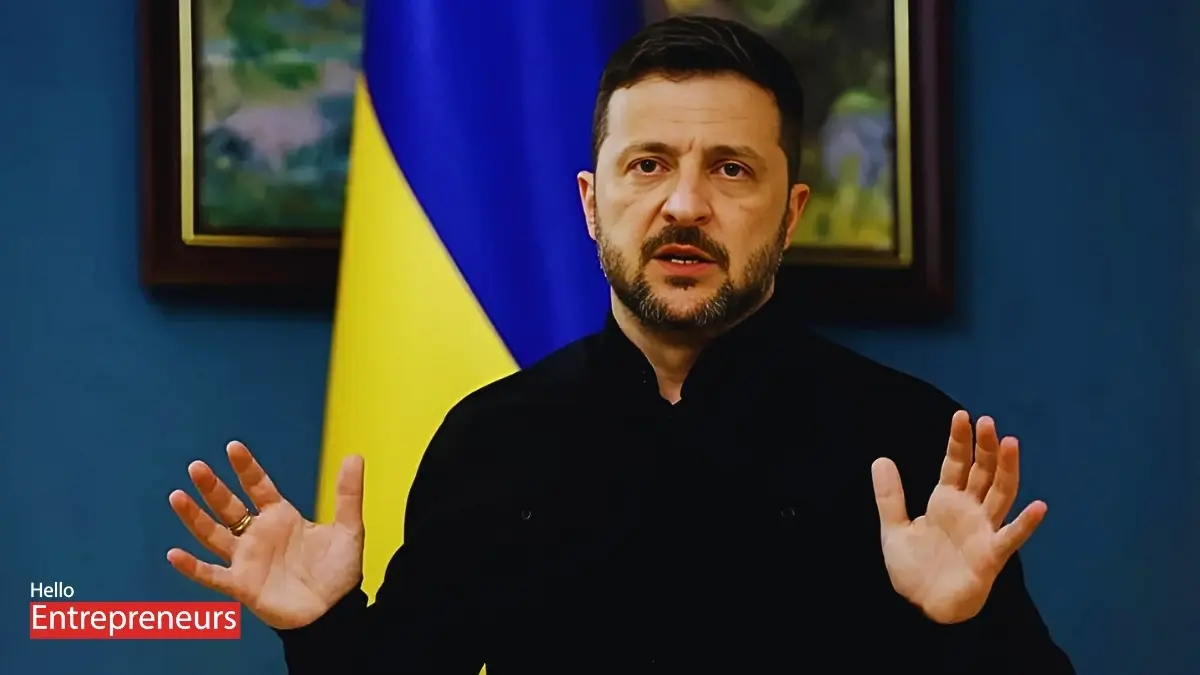
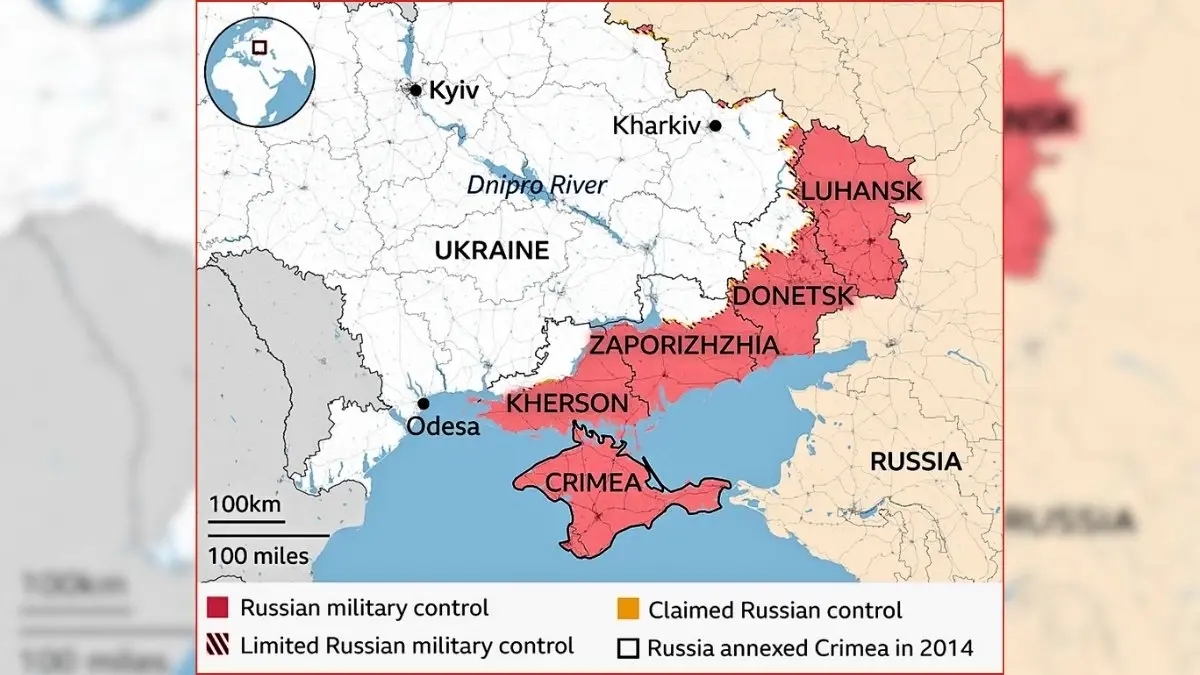
Trump has floated the idea of “some swapping of territories,” even using the odd real-estate image of “oceanfront property.” The briefing notes and commentary describe proposals where Moscow might keep Crimea and much of Donbas while giving back parts of Kherson and Zaporizhzhia. Ukraine’s constitution requires a referendum for any territorial change, and President Volodymyr Zelensky has already insisted Ukrainians will not “gift their land to the occupier.” You could say a workable swap without Kyiv is a fantasy that would look like capitulation.
03. Kyiv and most of Europe are not in the room, by design
The summit’s location and guest list matter. Anchorage is far from Brussels and Kyiv, and European leaders were largely not invited. John Herbst compared the optics to Yalta, where big powers decided Europe’s fate over the heads of others. EU leaders made a statement signed by 26 of 27 heads saying “international borders must not be changed by force”; Hungary’s Viktor Orban refused to join. That fracture matters because any deal excluding Ukraine is inherently delegitimised from the start.
04. The battlefield gives Putin leverage, literal metres and political momentum
Russia currently controls just under 20% of Ukrainian territory, has almost all of Luhansk and about 70% of Donetsk, and has shown recent advances near Dobropillia and toward Pokrovsk. Those gains are not abstract bargaining chips. Each hill and road amplifies Moscow’s leverage and makes any bargaining table smell of conquest rather than compromise.
05. Process is not optional; vagueness dissipates deals
The White House calls Friday a “listening exercise,” Karoline Leavitt said the meeting would be one-on-one, and Trump himself called it a “feel-out meeting.” Yet past private understandings, the Helsinki exit claims about law enforcement access, for example, dissolved because terms were vague or misunderstood. Without advisers or a detailed process, interpreters and handshakes do not easily harden into policy.
06. Intelligence says incentives haven’t meaningfully changed
U.S. intelligence assessments, according to briefings, indicate Putin’s core aims in Ukraine have not shifted: long-term control and security buffers for Moscow. Meanwhile, sanctions that once stung were allowed to weaken since January. If penalties lose teeth, the incentives for Moscow to negotiate in earnest alter considerably.
07. Symbolism is itself a diplomatic prize
By agreeing to come to the U.S., Putin gains a high-value image: the first Russian leader invited since 2007, and a photo op that can be spun into prestige at home. Zelensky called the meeting a “personal victory” for Putin. For Moscow, optics are policy; a handshake in Anchorage can be presented as leverage in ways that weapons sometimes cannot.
Conclusion: Who wins and who pays in Alaska?
If a deal is stitched up without Ukraine, the winners look clear: Putin gains prestige and bargaining chips, Trump secures the deal-maker narrative and the option to walk away with a headline, and Europe and Ukraine risk having red lines blurred by theatre.
If Trump resists concessions, he still gains political cover for trying. Zelensky, insisting on no ceding of Donbas and requiring any territorial change to be decided by Ukrainians, has set the only red lines that matter for legitimacy. When the doors close in Anchorage, history teaches us to watch the photos and listen to who is first to spin them; in modern geopolitics, the fastest narrative often becomes the dominant one.
Also Read: Elon Musk in July 2025: Tesla, xAI, America Party, and Chaos

