


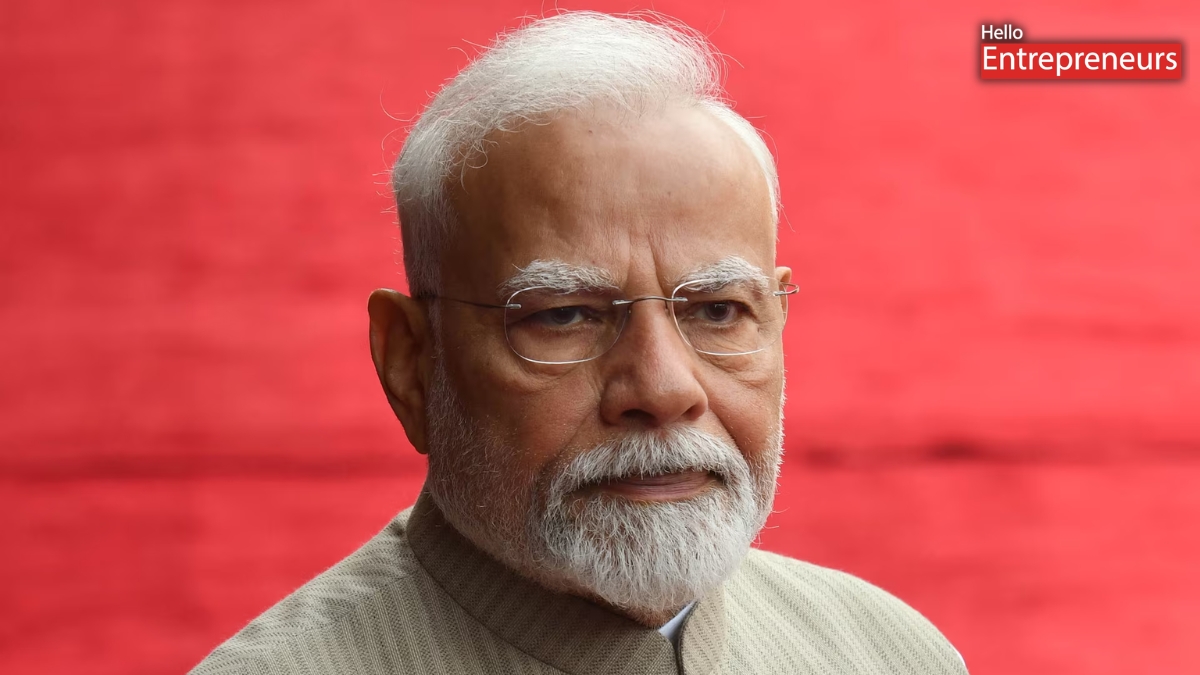
New Delhi: On June 10, 2026, after completing 4,399 consecutive days in office, Prime Minister Narendra Modi has created an new chapter in Indian political history by becoming the longest-serving elected Prime Minister of India. By surpassing the record of India’s first Prime Minister, Jawaharlal Nehru, who served 4,398 days after being elected in India’s first general elections in 1952. Narendra Modi first took oath as Prime Minister on May 26, 2014, after leading the BJP to a historic victory in the Lok Sabha elections.
Since then, Modi has remained in the office via three consecutive terms, winning national elections in 2014, 2019, and 2024. His uninterrupted tenure has now made hime the longest serving democractically elected Prime Minister in the country’s history. The milestone has been widely celebrated by the leaders of the ruling National Democratic Alliance. Some union ministers and BJP leaders congratulated Modi, by calling the achievement a reflection of public trust in his leadership and governance. The NDA also marked 12 years of its government at the Centre, by making the occasion even more significant for the ruling alliance.
Nehru’s elected tenure as Prime Minister began on May 13, 1952, after India’s first general election and continued until his death on May 27, 1964. While Nehru remains India’s longest-serving Prime Minister overall, including the period before the first general election, Modi has now overtaken hime in terms of continous service as an elected Prime Minister. The achievement has also attracted attention from world leaders. Several international leaders sent congratulatory messages to Modi, parising his leadership and India’s growing role on the global stage. Many notabled his efforts in strengthening India’s economy, by promoting development, and representing the interests of the developing nationa in the international forums.
Over the last 12 years, Modi’s government has unveiled some major initiatives in areas such as infrastrcuture, digital technology, welfare schemes, manufacturing, and foreign policy. Supported credit him with the improving India’s global image and accelerating economic development. At the same time, opposition parties has continued to raise concerns about economic challenges, unemployment, and social issues, by reflecting the policitical debates that remain active in the country. Political analysts said that record highlights Modi’s remarkable electoral success and his ability to maintain voter support over long period. It has also places him among the most influential political leaders in the modern Indian history.
As Narendra Modi enters the 13th year his premiership, attention is now turning toward his government’s long-term goals, by including its vision for India by 2047, when the country will celebrate 100 years of independence. Whether viewed as political milestone or symbol of changing times in Indian politics, June 10, 2026, will be remembered as historic day in the nationa’s democratic journey.

