



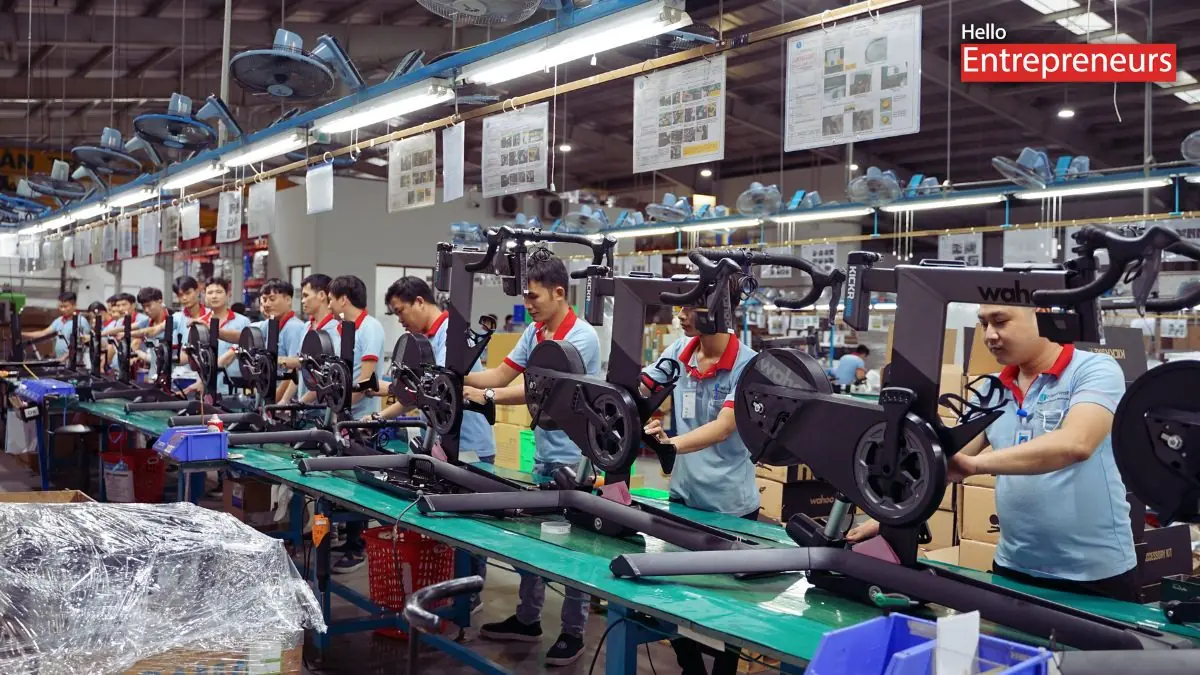
Washington, DC: US President Donald Trump announced a new trade deal with Vietnam, where import duties have been slashed from 46% to 20% from next week. This development comes at a time when many other countries, including India, have been negotiating with the Trump administration for a trade deal to protect their interests against reciprocal US tariffs.
“Vietnam will pay the United States a 20% Tariff on any and all goods sent into our Territory, and a 40% Tariff on any Transshipping. In return, Vietnam will do something that they have never done before, give the United States of America TOTAL ACCESS to their Markets for Trade. In other words, they will “OPEN THEIR MARKET TO THE UNITED STATES,” meaning that, we will be able to sell our product into Vietnam at ZERO Tariff” Trump said on his personal Truth Social Platform.
On April 2, Donald Trump had threatened a 26% duty on Indian exports, which were lowered to 10% later during negotiations. As we speak, a trade delegation representing India’s commerce ministry is still in Washington to negotiate a trade deal. Though most of the negotiations have concluded, the US demands to lower tariffs on genetically modified corn, soybeans and wheat have remained a major sticking point. A source familiar with the matter has claimed that the negotiations are in the final stages now from both sides “There’s been intense and constructive effort to close a deal. I think both sides understand the strategic importance, beyond the economic importance, of closing a deal.” he said.
India was one of the first countries to approach the US for a trade deal, even as negotiations had started early, even as US Vice President JD Vance praised PM Modi’s leadership style during his visit to Jaipur in April.
Major exporters to the US, including India, Mexico, China and Europe, have expressed concerns with the Trump administration’s arbitrary tariffs that are aimed at helping local businesses compete against cheap imports. These tariffs are a part of Trump’s electoral promises to ‘Make America Great Again’, even as most manufacturers find it unviable to manufacture in the US due to high costs.
Disclaimer: The views and opinions expressed in this article are those of the individuals and political entities quoted and do not necessarily reflect the official policy or position of our publication. We strive to present all political news in a fair and unbiased manner. Readers are encouraged to form their own judgments and verify information independently. This article is provided for informational purposes only and does not constitute an endorsement of any political party, candidate, or viewpoint.

