



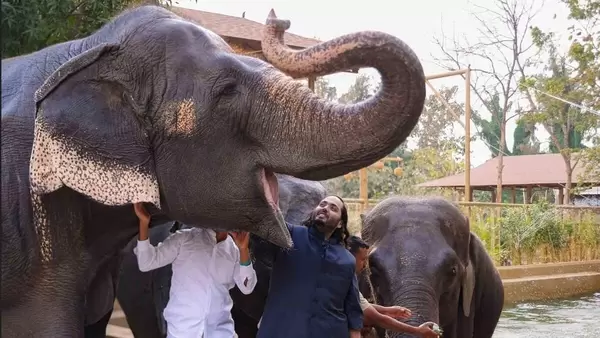
New Delhi: The Delhi High Court recently gave a big thumbs-up to press freedom by dismissing a contempt petition filed by Anant Ambani’s Vantara initiative against independent media outlet Himal Southasian. This case was all about a March 2024 investigative report by Himal, which questioned how elephants and other animals were being treated and sourced for Vantara’s massive 3,000-acre wildlife project inside Reliance’s Jamnagar refinery.
What was the fight about?
Vantara had gone to court saying that Himal didn’t remove the article even though, according to them, the court had previously told them to. But Justice Anish Dayal cleared things up, saying there was no such direct court order asking for the article to be deleted, so no contempt of court happened.
Vantara argued the article was “sensational” and went against an “unspoken” expectation from earlier court proceedings. But the judge didn’t buy it. Himal’s lawyer, Vrinda Grover, called this a classic SLAPP case, basically, a lawsuit meant to scare or silence journalists.
What did the article say?
Journalist M Rajshekhar wrote the article, which raised some serious concerns:
Where the animals came from: It questioned whether elephants and other wildlife were sourced legally.
Uneven growth: The number of animals jumped from 3,889 to over 10,000 in just one year, according to Vantara’s 2023–24 report.
Media pressure: Other National media outlets like Deccan Herald, The Telegraph, and Scroll removed or edited their critical reports about Vantara after facing legal threats. One Scroll article now says it was taken down “in response to a legal demand.”
Interestingly, international outlets like Süddeutsche Zeitung (Germany) and ABC (Australia) have picked up on Himal’s reporting, showing how far the story has traveled.
This case is a big deal for independent journalism, it shows how powerful groups sometimes try to use the legal system to shut down critical reporting. But this time, the court stood by the journalists. Himal said it will continue to report on important issues without being afraid, it’s funded by its readers, not big companies or governments.
What’s next?
Vantara hasn’t said anything publicly yet, but free speech groups are cheering the decision. Himal says it will keep doing deep investigative reporting and won’t be scared off. The case reminds us why we need independent media, to ask tough questions and hold the powerful accountable, especially when mainstream outlets might feel pressured to stay silent.

