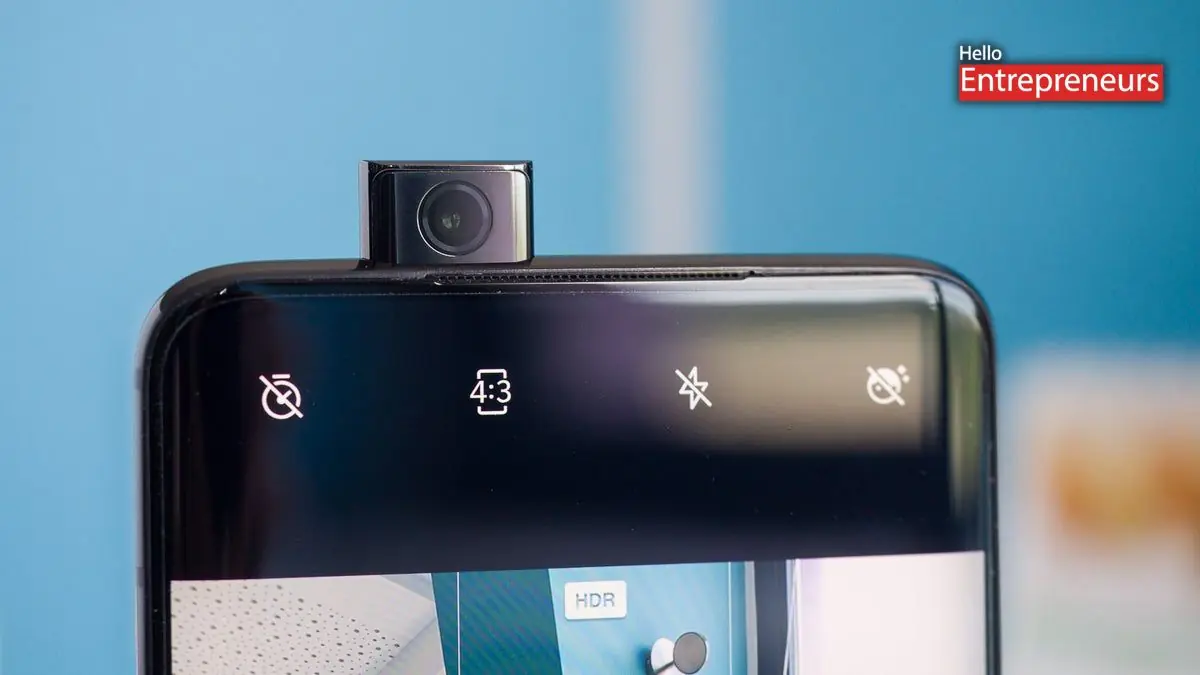








New Delhi: While the pop-up camera trend was initially a great alternative with regard to under-display cameras and less bezel opacity, despite giving an incredible ROI and quality support to its cameras, what exactly went wrong with this ultimately new tech-innovative approach? Here we unravel the significant camera shifts of all time, and an explanation to the same query is provided. This pop-up camera innovation was first introduced in 2018 with the launch of the Vivo Nex smartphone, and then people loved this innovation, so many smartphone brands have adopted this technology. This includes OPPO, Xiaomi, Samsung, OnePlus, Asus, Realme, and Huawei.
Now, let’s talk about why it actually couldn’t make it in the market, and why smartphone brands are not adopting this technology today. Pop-up cameras were discontinued mainly due to practical issues, including the durability, compromised water and dust resistance, added complexity and the cost and advancements in alternative technologies. While they were a clever solution for achieving a full-screen display, the compromises proved too significant for the long-term commercial viability.
This pop-up mechanism added another point of failure to the phone; the small, delicate moving parts were susceptible to wear and tear over time, especially with the frequent use of features like face unlock. The necessary openings for the mechanism made it nearly impossible to achieve a high-level IP rating for the water and dust resistance. This exposed the phone’s internal components to potential damage from liquids and particles. When the camera was extended, it was unprotected and vulnerable to accidental damage from drops or pressure. Even with the automatic fall detection features, the risk of breaking the camera was significant.
The motor and mechanical components required extra space within the phone’s body, which made the devices thicker and heavier compared to modern smartphones. The complex motorised assembly was more expensive to manufacture than a fixed camera sensor; this increased the overall cost of the phone, making it less competitive. The pop-up module consumed valuable internal real estate that manufacturers could have used for other components, such as a larger battery, a better speaker, or more advanced cooling systems.
Despite the technology’s overall failure, some companies like Honor have shown interest in reimagining the concept, teasing the latest robotic pop-up cameras with advanced features for future devices. This also suggests the idea isn’t entirely dead, but the mainstream return seems unlikely. This was the main reason why many of the companies have discontinued adding the pop-up camera technology in their smartphones.