



New Delhi: For many aspirational buyers, a car is an investment that’s second only to their dream home. A symbol of status and prosperity, a first-time car buyer would consider all options before zeroing on the right choice.
Though comfort- and utility- based features like power steering, ACs and others do make an impact, the success (or failure) or any model has always depended on how far it can go with every liter of petrol.
Automakers in India have forever struggled to improve their designs to match this primary requirement of fuel efficiency with comfort, all the while meeting the increasingly stringent emission targets set by the government. The emphasis was always on how to offer a car that balanced efficiency with newer features and technologies, so as to offer the best ‘paisa vasool’ investment for the buyer.
Before 2020, when EVs hadn’t gone mainstream yet in India, the market for cars mirrored the economic cycles and oil price fluctuations- nevertheless, the volumes of passenger cars sold increased by a minimum of 5% every year.
This high emphasis on value for money and the high reluctance to risk spending on an untested car without the necessary infrastructure was the primary reason why carmakers were initially hesitant to launch mainstream EV brands. They had to scale up eventually anyway, considering the growing demand and the subsidies and tax breaks given by certain state governments.
Despite this, only 7% of all passenger cars sold in India in 2024 were EVs. Though people admire the superior comfort and features they provide, they still don’t consider an electric car as a viable investment.
Although the electricity generation and supply has improved considerably over the years, EV car charging infrastructure is catching up only now. Even today, many people don’t believe they can charge their cars at any remote dhaba in the country. Though many cities and startups are actively installing charging infrastructure, yet many still don’t want to risk buying an EV where there is no guarantee of timely service and access to charging.
With any car costing upwards of 10 lakhs, this is a risk no one will take easily. Even today, most of the EV’s sold are in urban areas, where charging infrastructure mostly exists. As with any other investment, car buyers can choose to sell their cars for about 50% of its value even after 5 years, but selling an old EV car is challenging, as the battery capacity decreases over time. Also, there are no standardized tests that help determine the car’s condition for resale, affecting its chances.
This makes pure play EV’s quite unpopular, even though inter-city electric bikes now command more than half of all two wheelers sold in the country.
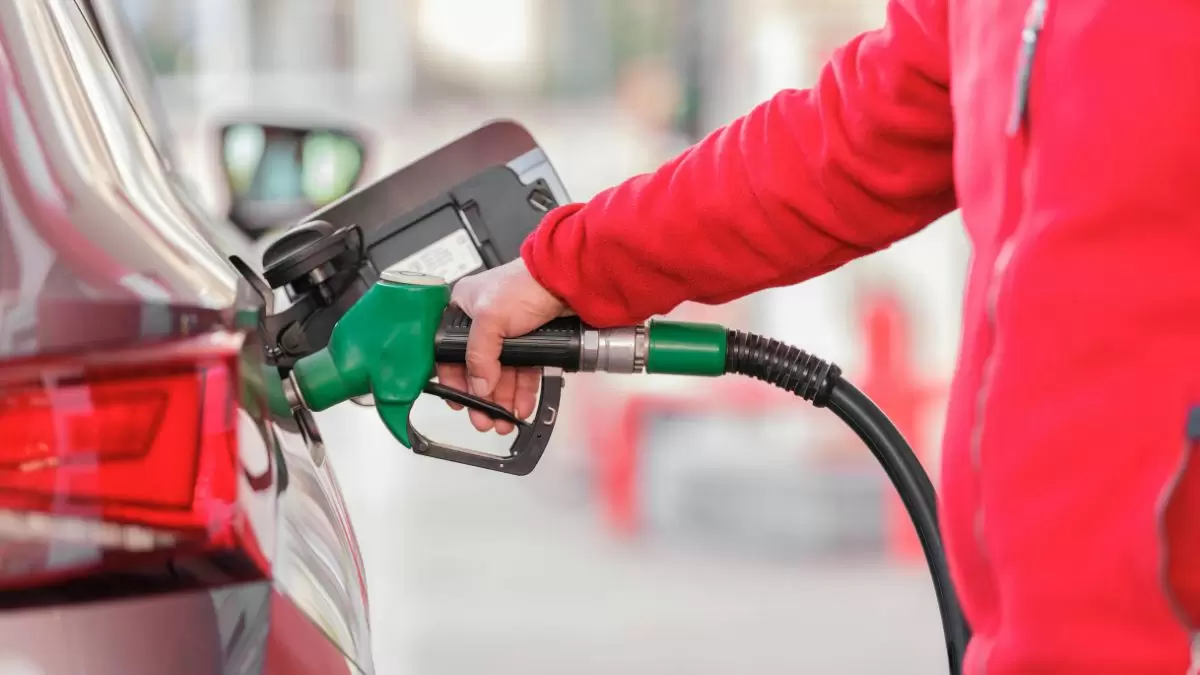
People know they can rely on any petrol pump in any remote location to service their cars. Even if the fuel could be a little pricey, you can always rely on a local mechanic for any sort of urgent breakdown.
EV’s, on the other hand, require special maintenance and support that isn’t available everywhere. Add to that the recurring complaints of delays in servicing of 2-wheeler EVs, and it has become quite challenging for automakers to convince people about the benefits of EVs for cars. Analysts can only predict the pricing fluctuations of oil, but what would anyone do when the car charger malfunctions in any remote location? That’s something automakers have to work on to boost trust in EVs, especially when electricity supply can be unreliable in rural areas.

