



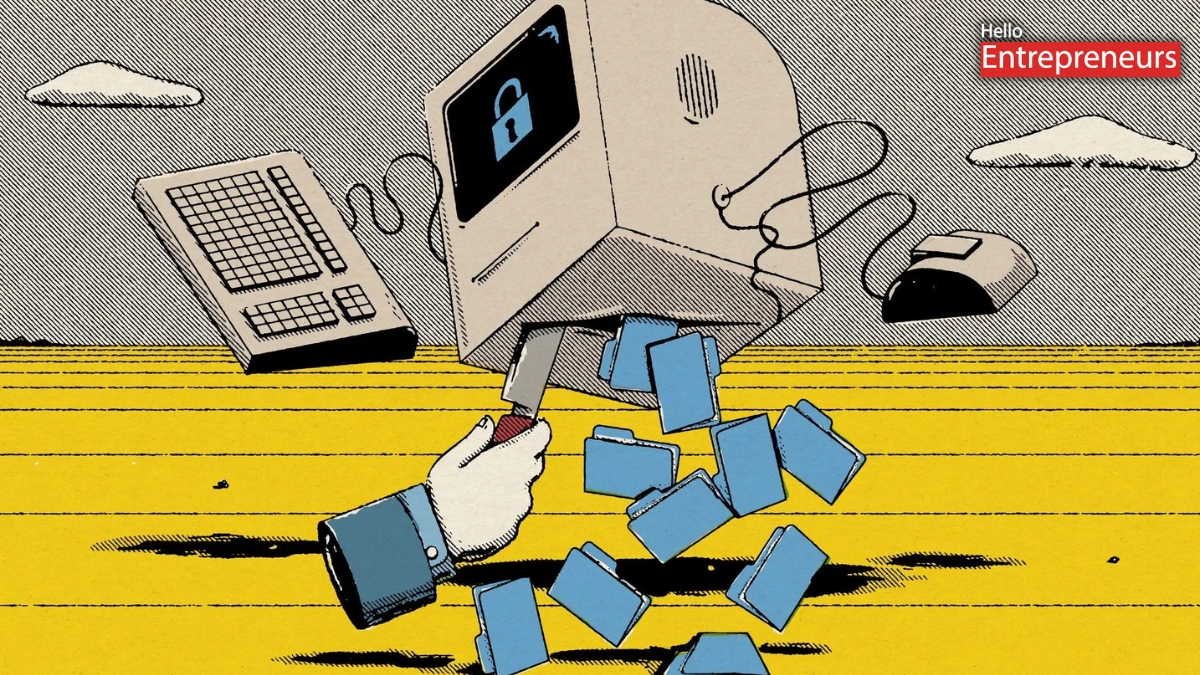
It’s something most people have done. A new application appears and a pop-up window asks you to accept the terms: You press the button without reading a word. Later you gripe about ads knowing more than you need to!
This practice, which technology firms and others have cited for years as evidence that people don’t care about privacy, is now the latest example of this behavior. This concept has a term: the “privacy paradox. More recent studies report that the paradox doesn’t stand up.
People do care
High concern indicated by numbers. In June 2019, the Pew Research Center completed a survey of 4,272 U.S. adults that found that 79% were at least concerned about the use of the data companies gather, with 36% very concerned. There was less concern about government use (64%).
The same survey found that people feel they can’t do much about it. Eight out of 10 U.S. adults report having little to no control over the data collected by the government (84%) or companies (81%) about them. And 72% said everything they do online or on their cellphone is being tracked most or all of it.
Why people click anyway
A 2015 study by researchers at the University of Pennsylvania’s Annenberg school gives an explanation. They discovered that the majority of Americans give up personal information for discounts since they feel that marketers gather such information anyway. This resignation is “when you think you can’t prevent something from happening that you don’t want to happen,” lead author Joseph Turow wrote. Relatedly, just a third of those surveyed said they were OK with the tradeoff, with 51% saying it was not.
There’s also a bit of confusion. The results of Annenberg’s research indicated that many consumers don’t understand what a “privacy policy” actually means. Turow has said the label is misleading because many people think that a site won’t share their information. The Pew survey revealed that 36% of Americans say they never read the company’s privacy policy before agreeing to it and 63% report that they know very little or nothing about the laws intended to safeguard their data.
A “paradox” that isn’t one
But legal scholar Daniel Solove, of George Washington University, takes it one step further. In an article published in the George Washington Law Review in 2021, he challenged the notion of the privacy paradox which he believed was constructed from “flawed logic,” given that the studies analyzed risk decisions only in specific contexts and don’t lend themselves to general principles about privacy preferences.
What he means is that private management is a huge, non-scalable job one has to do. It will not keep them safe if people are asked to read each and every policy and change all the settings, he says. He recommends that the approach to regulation be one that addresses the architecture of the way information is used, stored and moved, not choice.
So where is the line?
The research indicates that most people sets limits somewhere, but it’s difficult to keep up with the systems they use. If a service is necessary, and it’s not possible to do without it, then the line moves. This is not a statement of people’s apathy, but a design issue and a policy issue.
The actual myth is that digital privacy is a personal choice you can make on your own and before you hit “agree” most of the decisions are made for you.

