



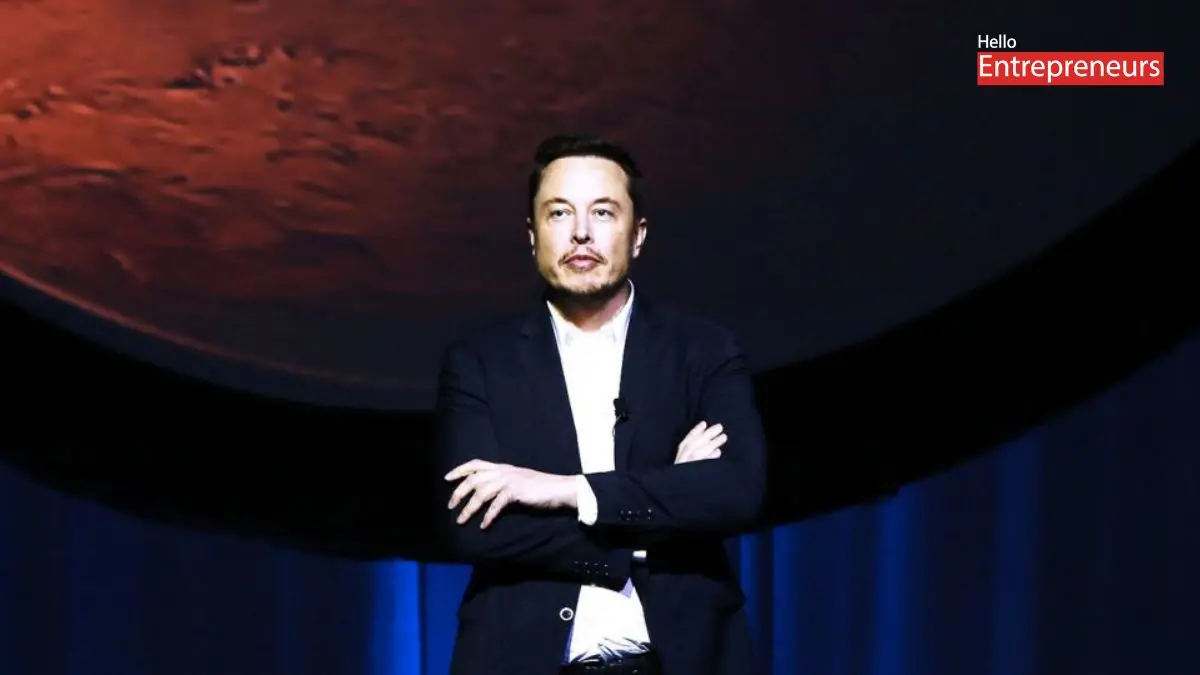
New Delhi: Elon Musk has once again stirred the space debate with a call to retire the International Space Station. The SpaceX CEO shared a post on X detailing the space-related funding from US President Donald Trump’s latest tax bill, which includes $1.25 billion for the International Space Station. Mush said, It’s time to retire the Space Station and focus on Mars. The same bill also sets aside $325 million for the safe deorbiting of the International Space Station by 2030, an acknowledgment that the end of its mission may be near.
ELON MUSK “It’s time to retire the Space Station and focus on Mars.” pic.twitter.com/s6psp8BG9A
— Tesla Owners Silicon Valley (@teslaownersSV) July 3, 2025
Musk has long been vocal about his view that the ISS no longer offer a sufficient return on investment. According to him, its ageing infrastructure, many parts of which are over 20 years old, poses a growing maintenance challenge and limits its scientific output.
He argues that continued funding for the station pulls resources away from bigger priorities, namely, sending humans to Mars. For Elon Musk, Mars is not just the next frontier but a crucial lifeboat for humanity’s future. In his vision, planetary colonisation is essential, and all efforts, including financial ones, should now be directed toward that goal.
Elon Musk’s Mars ambitions are not just limited to statements. In February this year, he reignited public interest by sharing an AI-generated video on X, showcasing a futuristic city on Mars. The one-minute, 12-second clip, titled “Welcome to Mars,” featured an advanced Martian settlement and quickly went viral. Musk have never hidden his ambitions for a multi-planetary future. At the 2016 Recode Code Conference, he said, If things go according to plan, we should be able to launch people probably in 2024 with arrival in 2025, referring to his plans to send humans to Mars.
The US space agency has evaluated various options for the station’s end of life, including disassembly, boosting to a higher orbit, or transferring to commercial operators, but concluded that a controlled deorbit using a dedicated vehicle is the safest and only viable method. In 2024, NASA selected SpaceX to develop this deorbit vehicle, which will guide the station to a remote part of the ocean at the end of its mission in 2030, minimising risks to people and property on Earth.

