



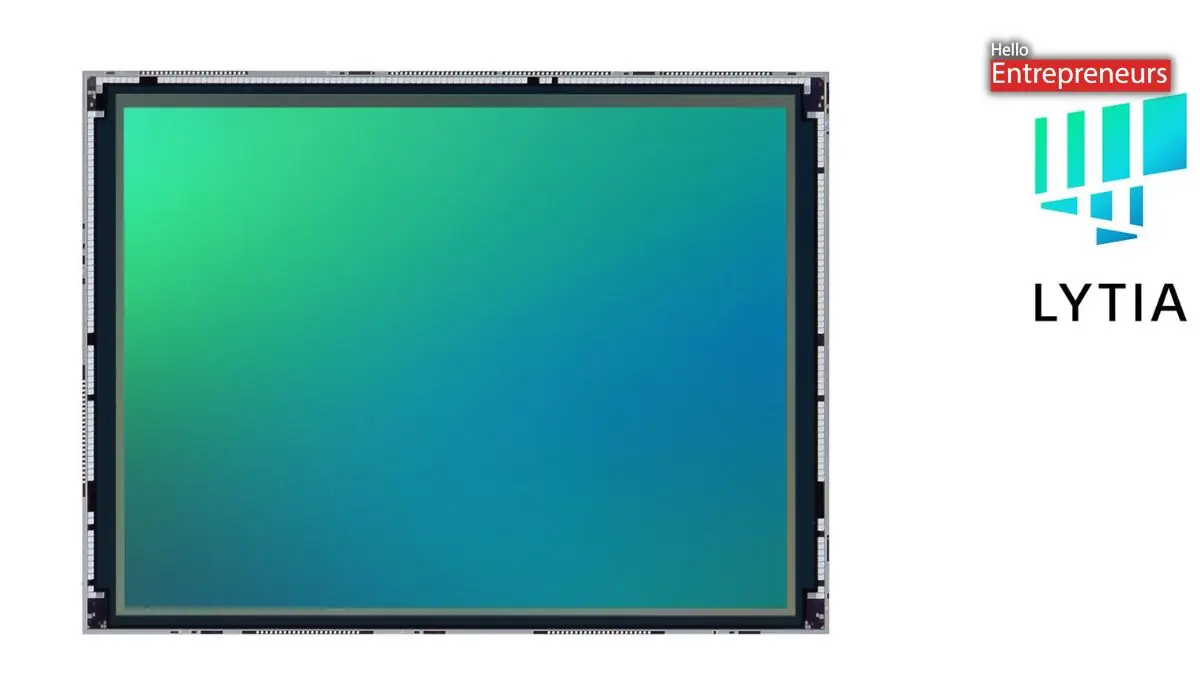
New Delhi: Sony Semiconductor Solutions Corporation has recently unveiled the LYTIA 901, its first 200MP device image sensor. This latest sensor is built on a 1/1.12 type format and uses 0.7 micron pixels, placing it among the largest mobile camera sensors currently headed to flagship devices. Mass production shipments are scheduled to begin in November 2025, with brands such as Oppo and Vivo expected to adopt the sensor in 2026. The LYTIA 901 uses Sony’s Quad-Quad Bayer Coding, grouping 16 pixels of the same colour to improve light sensitivity and detail capture. This layout enables both the high-resolution output and enhanced low-light performance.
In standard photography, the pixel groups act as a single-layer pixel, while during zooming, the sensor performs a remosaicing process to restore a regular pixel pattern and recover detail. Sony has also integrated an on-sensor AI remosaicing circuit for the first time in a mobile CMOS sensor. This system enhances fine textures, patterns and text during zoomed shots and supports up to 30fps 4K video recording at 4x in-sensor zoom. Sony claims this design delivers faster image processing while helping devices to capture more accurate details in challenging lighting.
Dynamic range is supported by multiple HDR systems, including Dual Conversion Gain HDR, Fine12bit ADC, and Hybrid Frame HDR, which combine exposures and gain levels to reach more than 100dB dynamic range. The sensor also includes all-pixel autofocus and supports multiple output modes such as 200MP, 50MP and 12.5MP images. Sony states that the LYTIA branding will follow a unified naming structure for future mobile sensors. The LYTIA 901 targets to deliver improved tonal accuracy, low-noise performance and cleaner image data for upcoming flagship devices.

