



New Delhi: Major smartphone brands are about to deal with a challenging phase in India’s smartphone market as the rising price of certain components and the slowdown in consumer demand make a change in strategy necessary. The company has already raised the prices for several models of smartphones by some as high as ₹5,000 and others as low as ₹1,000 across tariff tiers of OnePlus, OPPO and Samsung.
The hikes in these prices may have an immediate effect on smartphone sales in India, particularly the budget and mid-ranged categories. But many Indian buyers are very price-sensitive and a higher sell price may make consumers think twice about the upgrade or an extra year of using their current phones.
The situation has already been seen in the Indian market. Many sources and reports says that Indian smartphone shipments would declined by 13% year-on-year to 33.9 million units in Q2 2026. Some of the pressure on the market comes from the high cost of memory, inflation, the depreciation of the rupee and consumers’ savvy spending.
Budget Phones Could Face the Biggest Impact
The biggest challenge is expected to be for brands that depend heavily on affordable smartphones. An increase in price may decrease the appeal of the lower and middle-tier devices. Some consumers might opt to repair their old phones rather than purchasing new phones, or, even consider refurbished phones.
Brands might also sell fewer devices and go with lesser popular ones in India. This can aid firms to keep track of their costs and stay away from overstocking.
Premium Phones May Remain Strong
There may be different effects depending on the segment. Demand for premium smartphones shows signs of improvement in spite of the market downtrend. India’s smartphone shipments fell by 4.1% in Q1 2026, though its average selling price (ASP) had been increased to a new record high of $302 with by rising consumer spending on the premium smartphones, and it is confirmed by IDC.
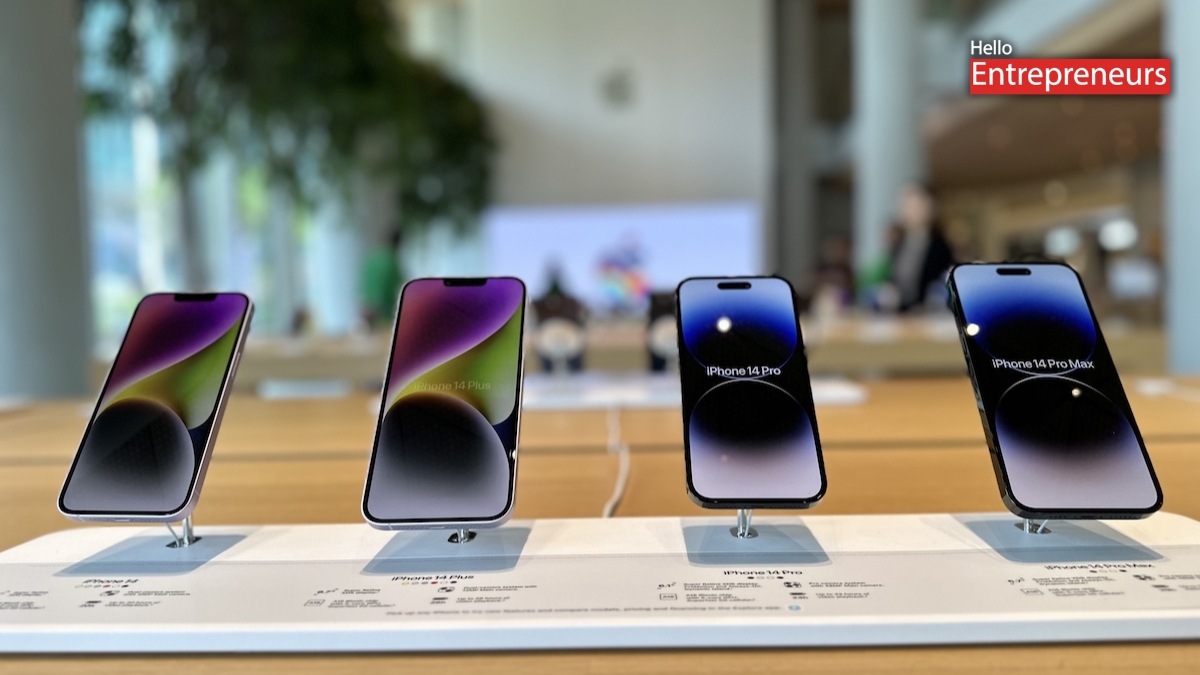
This means that Apple and Samsung might be more suited to secure sales in the high-end market, whereas brands including OnePlus, OPPO, Vivo and Xiaomi may need to improve their warchests, offer better deal packages, and provide more discounts to appeal to a higher-value price point buyer.
What Lies Ahead
Smartphone manufacturers will continue to see a competitive India market, although the “specification swash at lower prices” approach may prove to be less feasible. Increasingly, companies will be more interested in the top-of-the-line options, fewer launches, and increased value from exchange offers and financing.
For consumers, it may be extra expensive for them to purchase smartphones and fewer budget-friendly alternatives might be available in the months ahead, especially considering memory and other parts are still expensive.