



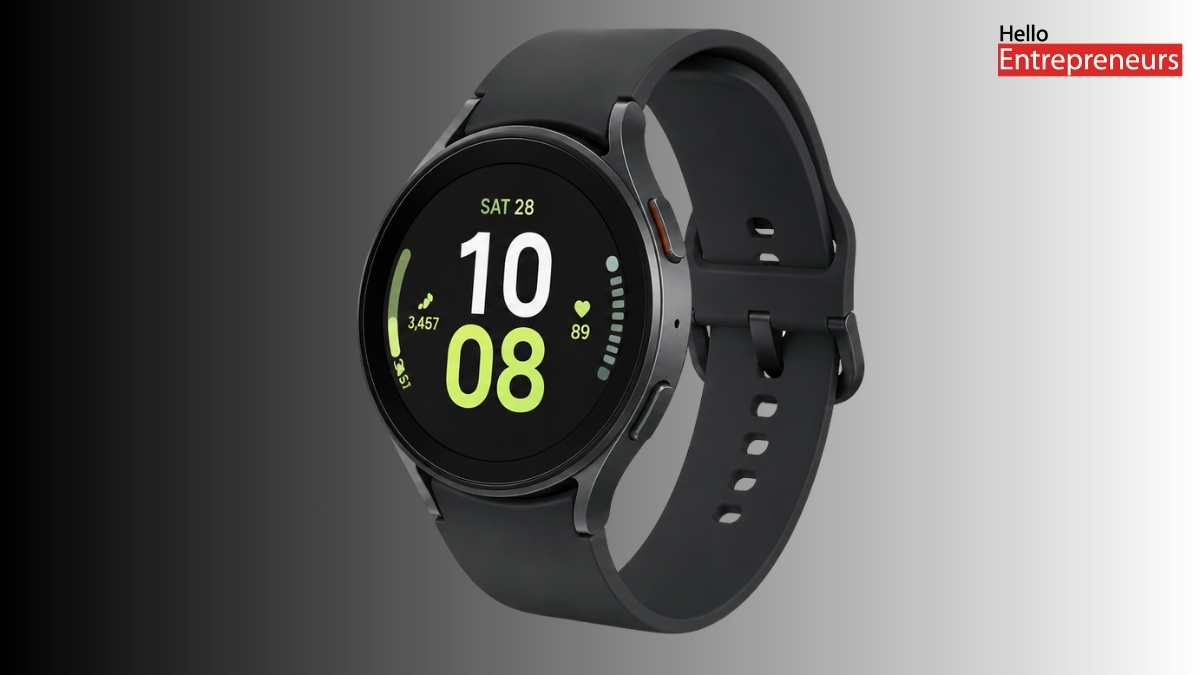
Samsung might be gearing up for something pretty different in its smartwatch lineup. The company is rumored to be working on a device codenamed Galaxy Aero, and—this is the interesting part—it may ditch Google’s Wear OS in favor of a real-time operating system (RTOS). The clue? Folks dug up references to “galaxy_rtos_watch” in the code for Samsung’s Galaxy Wearable app. That points to Samsung experimenting with a more lightweight operating system for its next wearable.
Galaxy Aero looks like it’ll slot right between the upcoming Galaxy Fit 4 fitness tracker and the recently launched Galaxy Watch FE. So imagine something that packs more features than a basic fitness band but isn’t as pricey or power-hungry as a full-blown Galaxy Watch. If Samsung pulls this off, they’ll create a new sweet spot for anyone wanting smartwatch perks without paying premium prices.
Right now, Samsung hasn’t officially said a word about Galaxy Aero. No specs, no sneak peeks, no launch date—just speculation based on app code. Still, the fact that it popped up in Samsung’s own software has got people talking about whether the company wants to break away from its usual Wear OS approach.
Why would a switch to RTOS matter? Well, there are two big reasons: battery life and cost. Wear OS packs in a ton of features, apps, and Google services. But all that fancy stuff means you need faster processors, more memory, and beefier batteries—not cheap, and definitely not great for lasting days on a single charge. RTOS, on the other hand, is simpler and more focused. Watches running on it can handle the basics—activity tracking, heart rate, notifications—without guzzling power. If Samsung leans into RTOS for Galaxy Aero, they could offer much longer battery life and keep the watch thin and light. And since RTOS demands less from the hardware, you can cut costs.
Galaxy Aero could speak to folks who just want solid health tracking, straightforward notifications, and a battery that actually lasts. Forget about piles of downloadable apps or deep Google integration—just the essentials, done well.
Samsung covers a lot of ground in wearables already, from fitness-focused Galaxy Fit trackers to feature-packed Galaxy Watches. Fit bands are all about step counting and workouts, while Galaxy Watches do everything from calls and messages to navigation. Galaxy Aero looks ready to bridge the gap. Maybe it’ll wear more like a proper watch but run on stripped-down software, letting Samsung compete with affordable smartwatches that promise big battery life and sharp displays. The market for budget smartwatches has exploded lately, with companies rolling out their own software to keep things simple, affordable, and functional. Samsung’s reputation and huge reach could give Galaxy Aero a leg up over cheap, no-name brands.
Leaving Wear OS (at least for this device) would be a big shift for Samsung. Remember, they used to run their own Tizen OS, then moved to Wear OS with Google, which brought lots of Android apps and Google services into the fold. Since then, Samsung has stuck with Wear OS for its Galaxy Watches, but an RTOS-based watch doesn’t mean they’re turning their backs on Google. Instead, it shows they want to diversify—use Wear OS for the premium stuff and RTOS for cheaper, longer-lasting options.
As for what Galaxy Aero actually does? That’s anyone’s guess. The display shape could be round like the usual Samsung watches or square like other budget options. Nobody knows if it’ll do Bluetooth calling, have built-in GPS, support mobile payments, offer voice assistants, or allow custom watch faces. Basic health features are probably a given, like step counting, sleep tracking, heart rate, and maybe blood oxygen. But the high-end goodies from Galaxy Watch might be left out to keep things affordable. Integration with phones? Probably managed through the Galaxy Wearable app, but we don’t know if Aero will work with any Android phone or just Samsung’s.
When it comes to apps, an RTOS watch wouldn’t have Google Play Store access. Expect a curated set of built-in services, some watch faces, maybe a handful of downloadable add-ons.
Battery life could be the standout feature. People shopping for budget smartwatches usually care about how long the thing lasts between charges. If Aero nails this, it’ll be a favorite for sleep and workout tracking—since no one wants to charge their watch every night. Of course, actual battery life depends on screen tech, size, sensors, processor, and extras like GPS.
To sum up, Galaxy Aero is just a rumor—no official details or guarantees it’ll ever hit shelves. Software codenames often don’t make it to commercial products, and Samsung could tweak or scrap the whole concept before launch. But the “galaxy_rtos_watch” reference shows Samsung’s at least exploring new territory.
If Galaxy Aero comes to life, it could mark one of Samsung’s biggest wearable changes in years: a new middle ground between fitness trackers and feature-loaded smartwatches. Whether it works out will probably depend on if Samsung gets the battery life, features, design, and price just right—without making the device feel cut-down compared to the Galaxy Watch series.

