



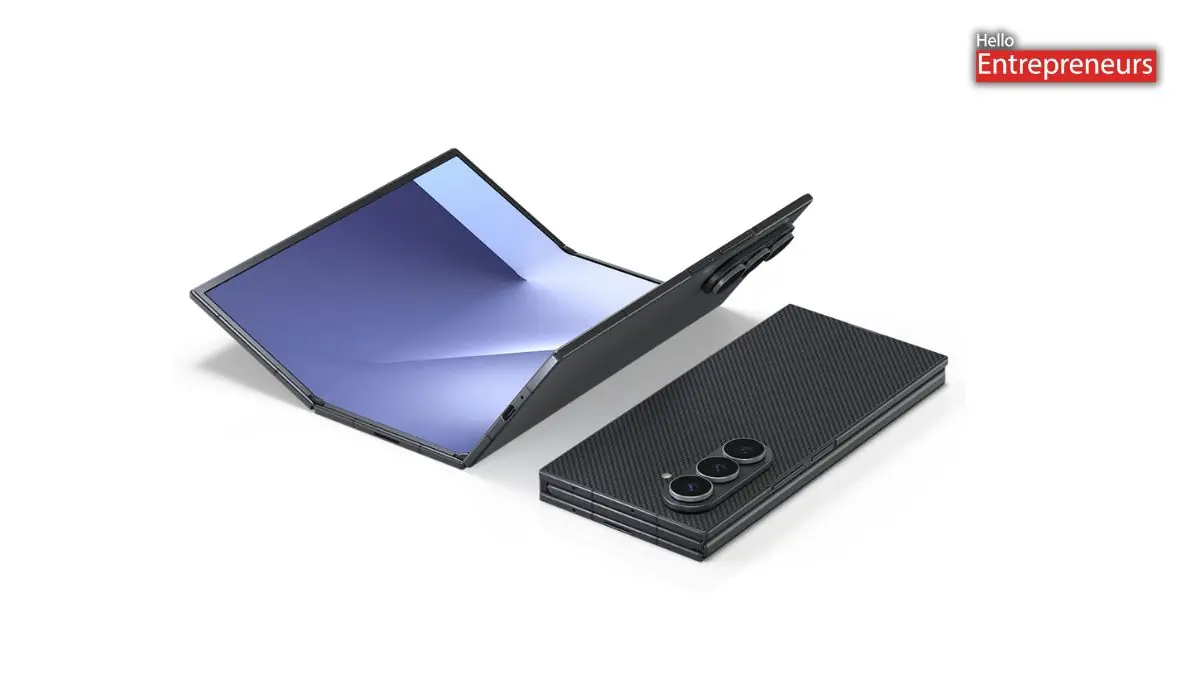
New Delhi: Samsung’s most incredible foldable smartphone may be pushing the limits of design and profitability. The company has reported that it is losing money on every Galaxy Z TriFold device it sells, offering a possible explanation for the device’s limited market rollout. The tri-folding device, which was recently debuted in South Korea, is being positioned more as a showcase of engineering than a commercial volume product.
It has suggested that Samsung is knowingly pricing the Galaxy Z TriFold below its production cost, absorbing losses on each unit rather than aiming for immediate profit. The Galaxy Z TriFold carries a retail price of 3.59 million South Korean won, roughly $2,500, making it the most expensive smartphone Samsung currently offers. Despite the premium pricing, the complex hardware and component costs mean Samsung is still operating at a loss on the device, raising questions about how future versions could be priced more sustainably.
This pressure arises during the worldwide shortage of memory components, primarily fueled by the increasing demand from AI applications. The issue was exacerbated by limited key RAM supply; the expenses for advanced hardware in devices like the Z TriFold have increased significantly, resulting in Samsung tightening its profit margins even at ultra-premium prices. It may seem very unusual to sell a flagship device at a loss, but it is not the first in the technology sector. Premium items, such as initial versions of gaming consoles, have frequently been launched at a monetary loss, with producers assuming that improvements in production and revenue from the ecosystem will ultimately balance out the initial deficit. The strategy is notable considering the Z trifold already has an exorbitant price.

