



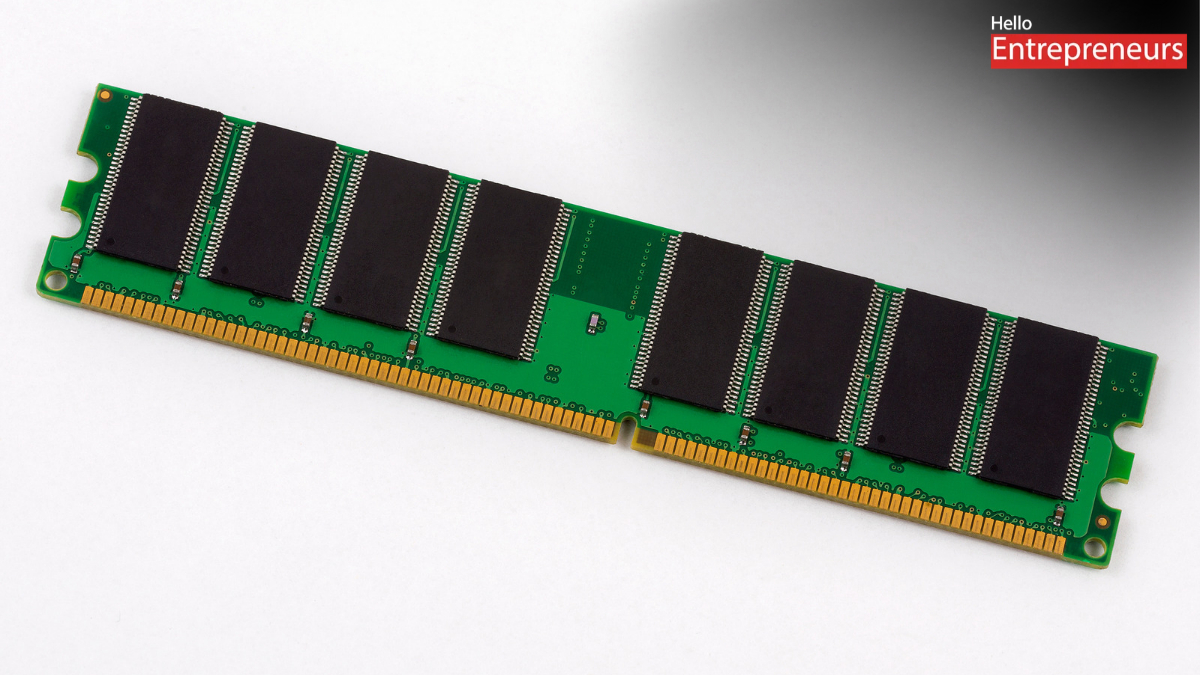
Samsung Electronics has locked in long-term supply deals for about 80% of the memory chips it plans to make in 2027. That’s a big deal for anyone following the scramble for parts needed to build out AI infrastructure. This info comes from a KB Securities report cited by Yonhap News Agency.
According to the brokerage, Samsung’s five-year agreements with major global tech companies now cover around 70% of its conventional memory output slated for next year—think DRAM and NAND flash. On top of that, KB Securities says Samsung has already finalized agreements for all of its 2027 production of HBM4, the company’s latest high-bandwidth memory.
Research chief Kim Dong-won from KB Securities said big cloud providers are still battling over the leftover uncontracted memory. These numbers reflect the firm’s private estimates; Yonhap didn’t name customers or talk about deal prices or total values.
The take-home message? Memory chips are now central to AI infrastructure planning. When you’re building massive data centers, locking down component supply months or even years ahead removes a lot of uncertainty from expansion projects. For Samsung, these prearranged sales make it easier to plan production and investment.
HBM stands out here because modern AI runs on absurd amounts of data, fast. HBM stacks memory chips and uses a wider pipeline, so processors in AI and high-performance computing setups don’t get bottlenecked. Regular DRAM still covers more traditional computing needs, so Samsung’s contracts aren’t just for niche AI hardware.
Recent statements from Samsung shed more light. In its second-quarter results on July 30, the company said its memory business hit record highs for revenue and profit. Samsung mentioned it was focusing on server products, ramping up HBM4 sales, and had already shipped HBM4E samples to major customers. The company expected that AI-driven demand would keep pushing up orders for server DRAM, enterprise solid-state drives, and HBM in the second half of 2026. But even with production increases, they warned supply would stay tight.
If KB Securities is right, Samsung will enter 2027 with most of its memory chips already spoken for. That gives the company a much clearer picture of demand, though the real financial impact stays fuzzy without details on prices and contract terms.
For tech firms still looking to secure their own supply, the main problem now is just getting access. KB’s takeaway is pretty clear: the fight for Samsung’s remaining output will stay heated, maybe even before the year kicks off.

