



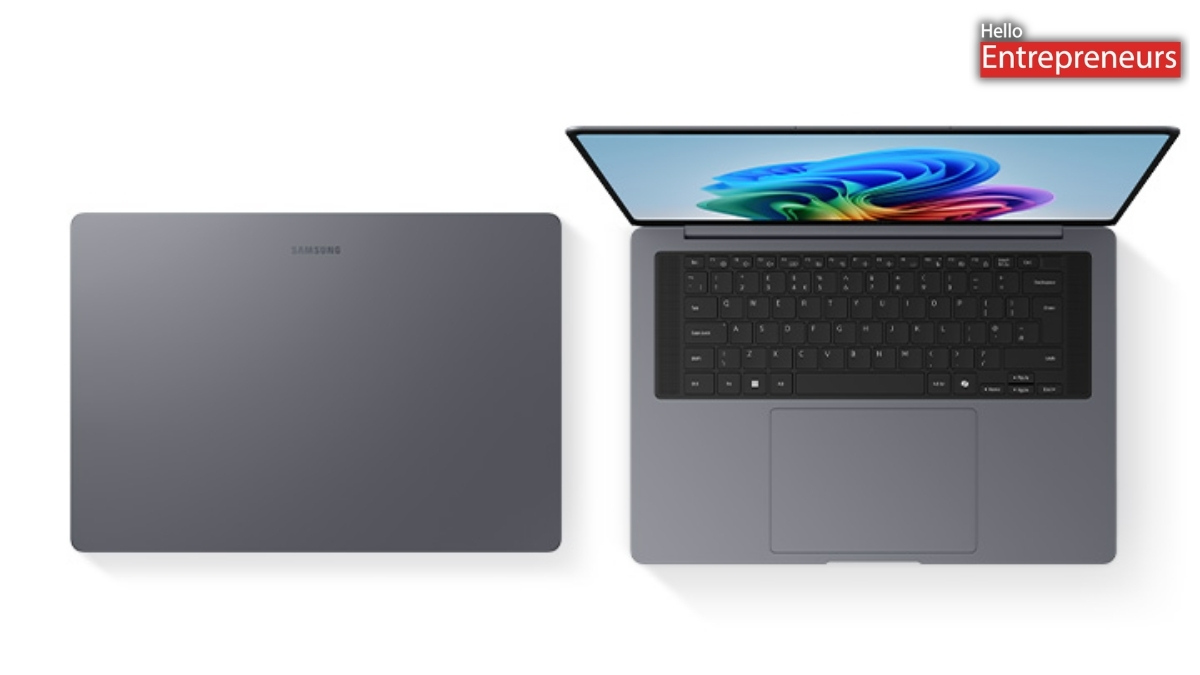
New Delhi: Samsung has unveiled a new lower-priced Galaxy Book6 laptop model that adds another Windows laptop choice to buyers. As for the Galaxy Book6, the price is set at $799.99 on the U.S. market and will be highlighted as a more affordable option to Samsung’s higher-priced Galaxy Book6 lines. It also comes in opposition to Apple’s budget friendly MacBook Neo.
Galaxy Book6 has features with a WUXGA 14-inch LCD display with a resolution of 1920 x 1200 and a refresh rate of up to 60Hz with the maximum of 350 nits of peak brightness which is pretty bright screen by which users can use this laptop in outdoor. The screen also comes with an anti-glare coating, which can make it more comfortable to use in bright environments.
In the body, the laptop features either Intel Core 3 or Core 5 processors as per configuration. It features built-in Intel graphics and an NPU that can deliver up to 15 TOPS of AI performance. Samsung is also introducing some Galaxy AI capabilities to the Samsung laptop, such as AI Select, AI Cut Out and Note Assist.
The laptop is capable of having up to 16GB of LPDDR5X RAM and 1TB of PCIe NVMe SSD storage. Users can also opt for less storage space, such as 256GB and 512GB.
Samsung has given connectivity too. The Galaxy Book6 includes two USB-C ports, one USB-A port, an HDMI port and a 3.5mm headphone jack. It provides the users with a greater extent of freedom in linking the various external displays, accessories and other devices without the use of additional adapters.
Galaxy Book6 is equipped with a 61.2Wh battery and Samsung promises up to 25 hours of battery life. It will reportedly charge 45W USB-C devices with 33% of their battery life in about 30 minutes.
The laptop also integrates well with Samsung Galaxy smartphones and tablets with capabilities like Link to Windows, Quick Share, Multi Control and Second screen.
The Galaxy Book6 prices at $799.99, which is higher than Apple’s $699 MacBook Neo. Samsung’s laptop features a bigger 14-inch screen, optional 16GB of RAM, 1TB storage and a different selection of physical ports, however.
These capabilities suggest Samsung may be targeting users looking for a user-friendly Windows laptop with natural user interface capabilities and deep support for the Galaxy ecosystem that doesn’t fall into its higher-end laptop hardware category.

