



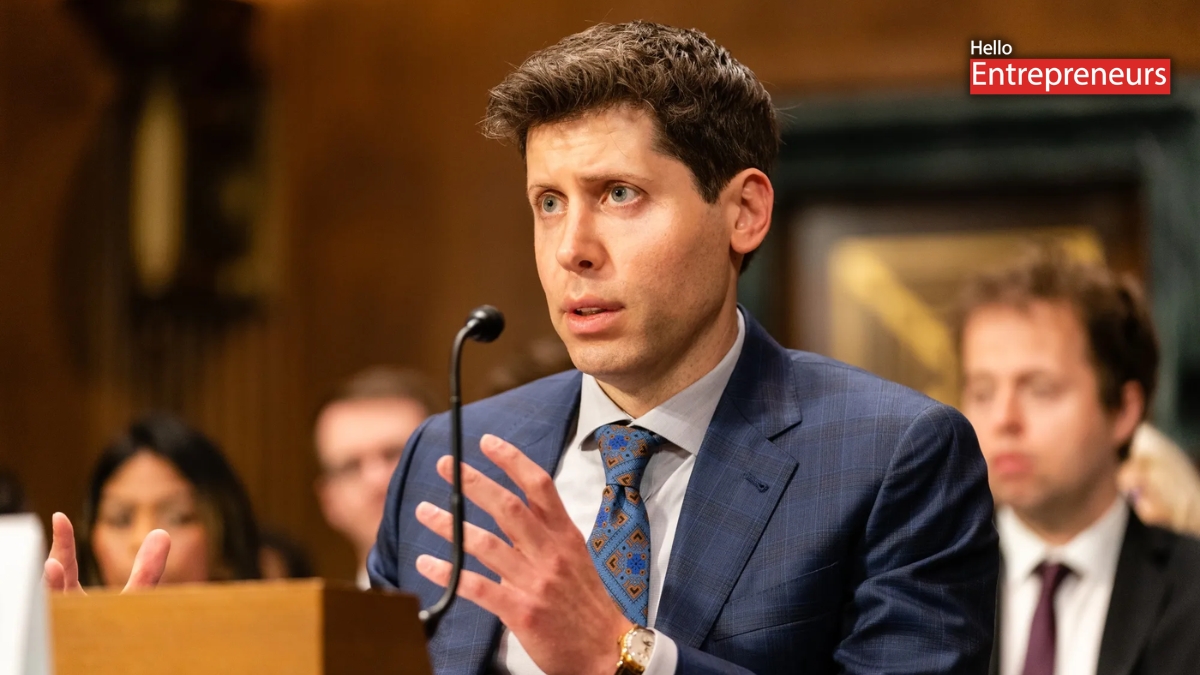
New Delhi: OpenAI CEO Sam Altman has given a glimpse into what could be the next big step for ChatGPT. Within 6 months, ChatGPT will be better able to understand the user’s computer screen, conversations, meetings or emails, he said, and will be increasingly conscious of what they are doing. The purpose is to move beyond ChatGPT being a chatbot that listens for a user’s questions and direct them to the right answers to an AI assistant that will grasp what the user is doing and assist them without having to provide all the details.
Why does Sam Altman want this?
Today, users normally have to copy information into ChatGPT or explain what they are working on. Altman is a different kind of seer. If ChatGPT is going able to interpret what’s going on the person’s screen, it could going to access the contents of the document they’re working on, the website they’re viewing, a spreadsheet or an application which they’re using, thus giving relevant assistance.
For instance, a user could be creating a simple presentation. The AI doesn’t have to be told the full scope of the project it could grasp the content already on screen and offer suggestions for improvement. It might perhaps recognize the conversation and make notes and determine tasks that stand out during a meeting.
It applies to emails, too. ChatGPT would be able to read an email conversation and identify its key transitions and identify which parts are significant to the chat participant and prompt them to take action. Currently, ChatGPT can search Outlook email and calendar data, provided the user grants the necessary permissions.ChatGPT can already be connected with Outlook, with which it can search emails and calendar information when the user gives the required permissions.
What is OpenAI preparing?
Altman’s remarks indicate that OpenAI is pursuing a more advanced AI agent, rather than merely enhancing its chatbot capabilities.
OpenAI has already rolled out an agent for ChatGPT called ChatGPT Work that can work across apps and files, complete multi-step tasks and go for extended sessions on projects. These agents can learn about information, leverage connected tools and transform a goal into work that is done, the company claims.
The next level of evolution would be an AI that knows more about a user’s digital existence and can act with helpfulness based on those actions.
Privacy will be a major concern
That would also going to raise similar privacy issues, however, when they are trying to give access to screens, meetings, and emails to ChatGPT. They may contain personal conversations, passwords, financial information, confidential company documents and other sensitive information.
That would require robust controls for OpenAI on what ChatGPT can see, remember and use, and clear rules. The user would probably have to select which apps and information the AI would have access to.
ChatGPT could become a personal AI assistant
Altman’s declaration shows that OpenAI is going in the direction of an AI that doesn’t just respond to inquiries, but comprehends the state of affairs and can take care of duties without you even realising.
If OpenAI is able to safely get this right, ChatGPT might be moving much closer to a digital assistant as you’re thinking about it, recalling the context you need to get something done, and understanding what you’re trying to do.

