



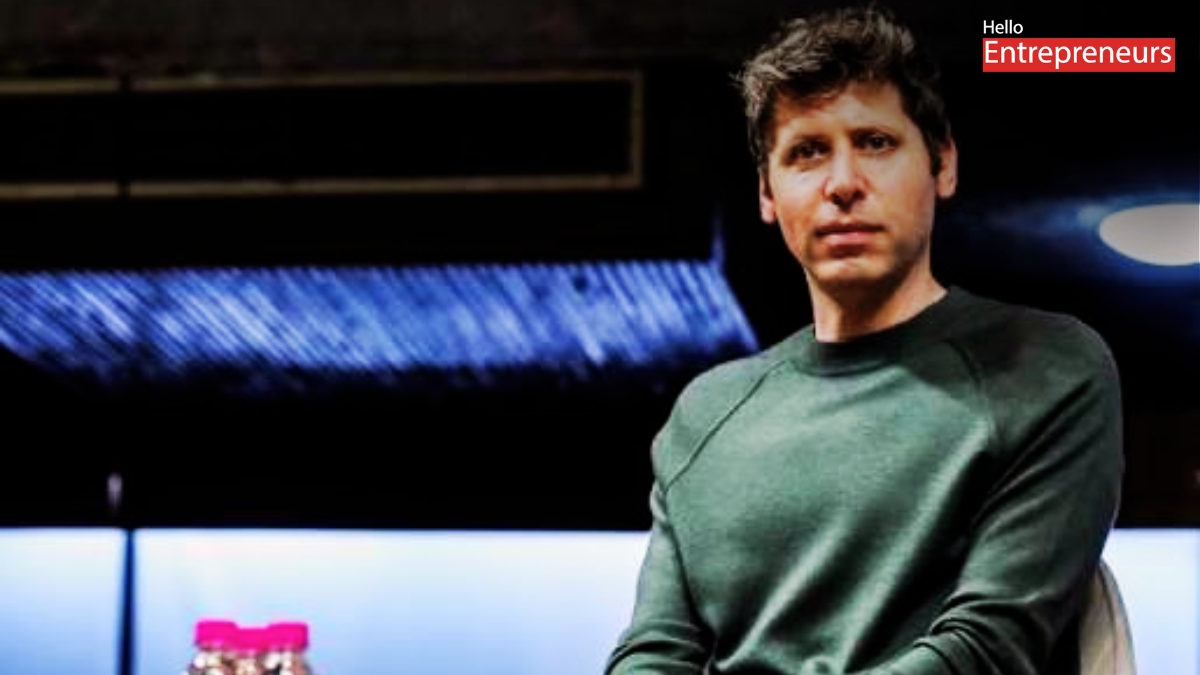
Sam Altman, OpenAI‘s CEO, laid out three possible futures for the race to superintelligence at a recent all-hands meeting. According to The Information, he said it’ll either end with an international regulator, a big merger between leading AI labs, or one company overpowering the rest.
Let’s break down his ideas. Altman’s favorite? An international oversight body, sort of like the International Atomic Energy Agency. This watchdog would set safety standards, audit labs before releasing new models, and check that the work’s legit.
Then there’s the so-called “Demis plan,” inspired by DeepMind’s Demis Hassabis. Think of it as a CERN for AI—major labs could join forces or funnel their cutting-edge research through a shared global group. This consortium would develop advanced models and hand them off to participating countries. Altman described this as a way to avoid a messy competition, where everyone’s racing without guardrails.
Last up is the “Eliezer plan,” named after AI safety theorist Eliezer Yudkowsky. Here, one developer creates AI that can improve itself, gaining massive economic power. If that happens, they could lock out rivals by hoarding computing resources. Altman didn’t sound thrilled about this one—he apparently said he only mentioned it for completeness, and called it “terrible.”
There’s an obvious tug-of-war here. On one hand, developers want safeguards—no one wants catastrophe. But at the same time, they worry that strict rules might just give an edge to competitors. Altman reportedly stressed OpenAI can’t afford to lag behind, and said the industry still hasn’t figured out how to enforce “speed limits” on AI progress. He pushed for OpenAI to sort out its safety policies within a year.
The idea of a global AI regulator isn’t new. In fact, Altman, co-founder Greg Brockman, and former chief scientist Ilya Sutskever pitched something similar in 2023.
Meanwhile, Washington’s getting involved. The White House’s Super Intelligence Force just held its first meeting, adopted its charter, and gave itself 120 days to dig into AI risks and figure out how to implement its Accord on Super Intelligence. Director of National Intelligence Jay Clayton leads the team, with National Cyber Director Sean Cairncross helping out. They’ve set up committees and started a risk study through the President’s Council of Advisers on Science and Technology.
Their approach? They’re saying AI labs are “ultimately responsible” for what their models do. There’s no talk yet of strict new federal rules—the focus is on not letting regulation choke innovation. The White House Accord asks companies working on advanced models to take up voluntary safeguards: internal controls, oversight teams, outside audits, and board-level reviews.
Altman’s three scenarios aren’t an official OpenAI policy—they’re just internal conversations about avoiding a reckless race to ever-smarter AI. The timing matters, though. Frontier labs like OpenAI, Google DeepMind, and Anthropic are facing more scrutiny over safety and control. Now, the White House task force is building the first government system specifically meant to police superintelligence developers, laying out ways to report breaches or hacks.
For the industry, the choice seems clear: either slow things down with coordinated oversight, or stay locked in a competitive sprint, hoping safety doesn’t slip through the cracks. Altman likes the idea of an international watchdog, but whether governments and companies everywhere will agree—who knows?

