



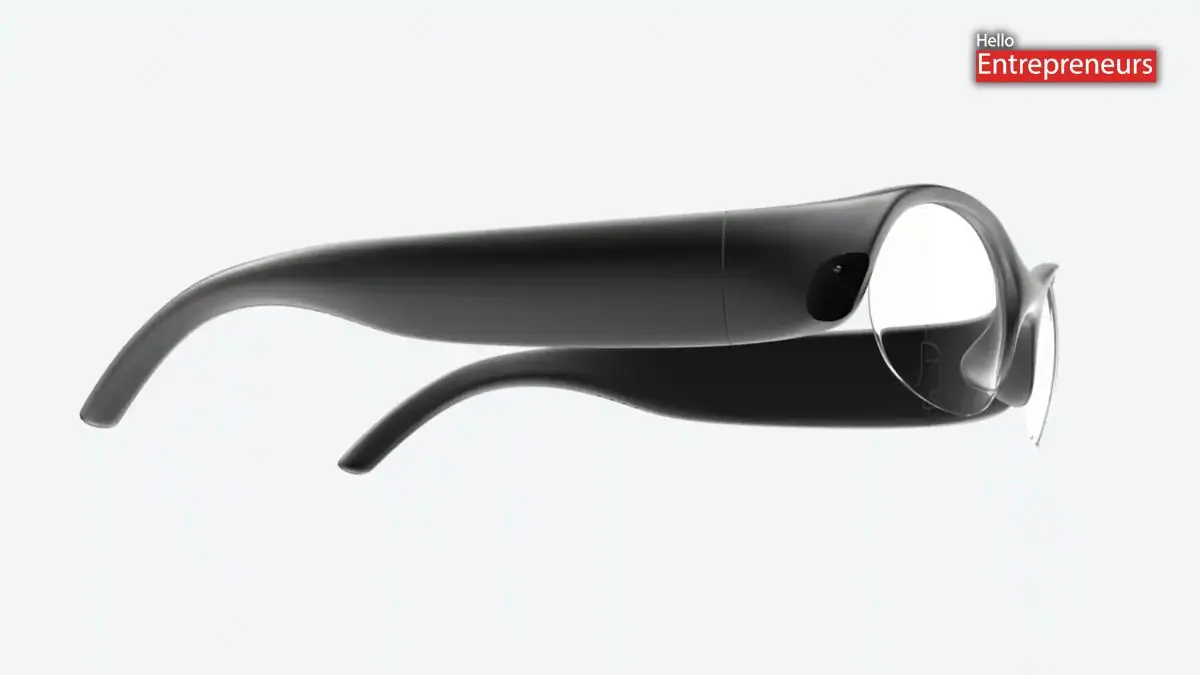
New Delhi: We all know that AI is constantly being pushed into the latest upcoming products, but Meta was the first company to incorporate the technology into its Augmented Reality glasses. Now, a California-based startup is jumping on board the bandwagon with Pickle 1, a pair of AI-powered Augmented Reality glasses. The company stated that, unlike the Ray-Ban Meta smart glasses, Pickle 1 is a solid computer in the sense that it will remember everything users see and do. The AR glasses run on Pickle OS, an in-house developed operating system that seamlessly collects users’ context from every source, every day and organises it as a single cluster.
Introducing Pickle 1, the first soul computer.
Order batch 1 today at https://t.co/IOzZg44Qcv pic.twitter.com/aZOerqtefV
— Pickle (@pickle) January 1, 2026
Pickle also claims that the operating system has infinite memory and can recall things users saw and heard when users need them. The AR glasses interact with the users through a wide range of interactive avatars that can converse with them. It also has a built-in fingerprint scanner on the side of the frame, which means only the users will be able to unlock and use it. Also, unlike AI-powered smart glasses, which require users to ask questions, Pickle stated that the Pickle 1 sees things before the user sees them and anticipates the wearer’s actions in real time. It can also help users book rides, read messages, make reservations and shop for things.
To provide personalised recommendations, Pickle suggested that the users wear the AR glasses for at least 3 hours a day and have over 50 visual interactions. Weighing just 68g, the Pickle 1 features a full colour display and ultra-fast computing with no latency. Powered by Qualcomm Snapdragon chipset, the glasses have a 12-hour battery, which means users can wear them all day long without having to charge. Pickle claims its operating system encrypts data by default and decrypts it only inside the hardware-isolated enclave. The company goes on to say that when users interact with the third-party app, the data is neither retained nor used for training or any other purposes. It costs around $799 in the United States (roughly Rs 72,000) with delivery starting in the second quarter of the year.

