



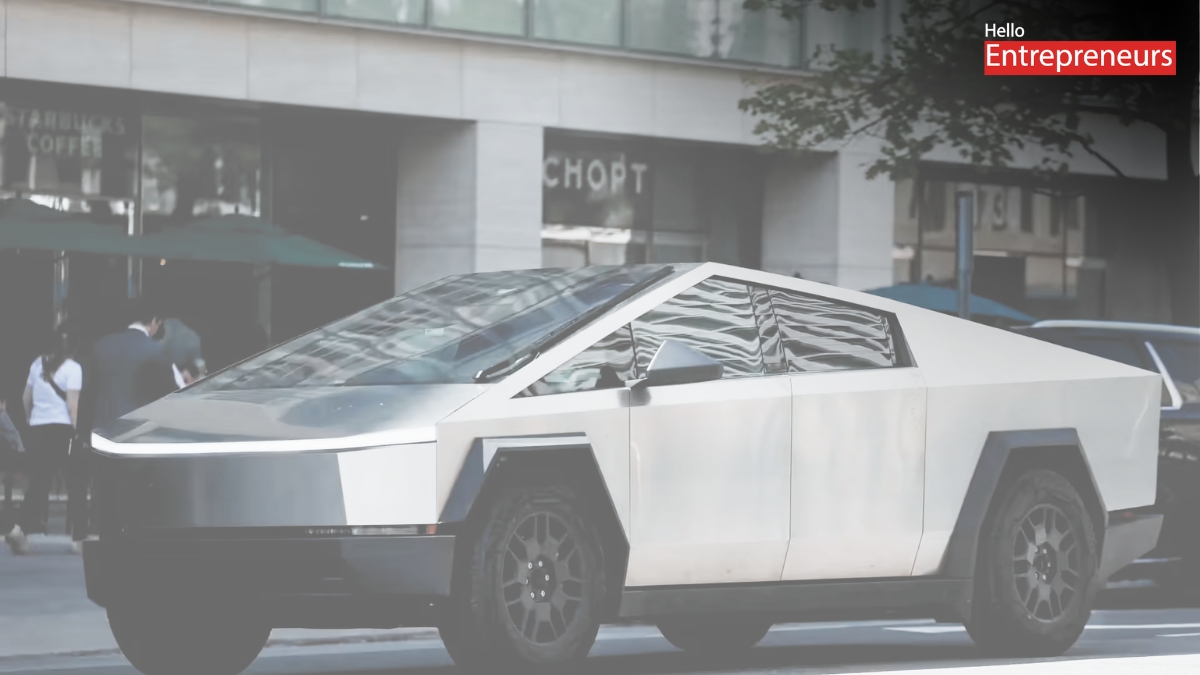
Just hours after Tesla started its driverless Cybercab rides in Austin, Texas, the US National Highway Traffic Safety Administration (NHTSA) launched a formal investigation into the vehicle’s self-certification. They want to know if Tesla did its homework and made sure this steering wheel–free, pedal-less, mirror-less robotaxi actually follows all the federal safety rules.
So what made the NHTSA jump in? Well, Tesla had just announced on Thursday that people could start hailing rides in the Cybercab through an app—think Uber or Lyft, but nobody’s behind the wheel. Tesla told NHTSA it self-certified about 1,000 of these Cybercabs, saying they’re up to code with federal safety standards. Plans were in place for a careful rollout in a dozen states.
On Friday, the day after the Cybercab’s debut, NHTSA kicked off something called an “Audit Query.” They want all the details—Tesla’s technical data, the process it used, and any supporting materials behind declaring these robotaxis safe enough to hit the road. The agency is especially interested in how Tesla decided some federal requirements—like those for steering wheels—don’t apply when there are no manual controls.
Now, what exactly are regulators worried about? They’ve got three big questions:
1. How did Tesla decide this thing is legal? Car makers have to prove every vehicle meets federal safety standards before they sell or deploy it. NHTSA wants to see Tesla’s engineering evidence, test results, and legal reasoning.
2. Did Tesla skip rules that still matter? Most of the rules assume the car has a steering wheel and pedals. Tesla’s argument? Those rules just aren’t needed for a fully driverless, two-seat robotaxi. NHTSA is digging in to see if that argument actually holds up.
3. Is it even safe to run these robotaxis now? Even though NHTSA hasn’t stopped Tesla from running Cybercabs, opening the investigation the day after rides started tells you they’re watching closely. The agency says it supports self-driving innovation, but safety has to come first.
The news hit Tesla’s stock hard, sending it to its lowest in a month and a half. Investors are nervous: If the agency finds a serious problem, it might demand design changes, slow down the rollout, or clamp down with penalties.
All this is happening while the Trump administration—usually enthusiastic about self-driving cars—is under pressure to look tough on safety. NHTSA’s administrator, Jonathan Morrison, tried to walk the line: He’s for innovation, but says the agency won’t blink on enforcement.
So, what now? NHTSA’s audit doesn’t mean a recall or anything dramatic—at least not yet. Instead, they’re collecting information. Here’s what might happen:
– If Tesla convinces the agency with its paperwork, Cybercabs can keep rolling out, no big deal.
– If there are gaps, NHTSA might demand software tweaks, make Tesla slow them down, or require technical changes before expanding.
– Worst case for Tesla: Fines, forced recalls, or a legal fight over whether driverless cars need manual controls.
For now, Cybercab rides are still running in a few spots around Austin, but the outcome of this case matters a lot. It may end up setting the ground rules for how US regulators handle fully driverless cars that ditch regular car features altogether.

