



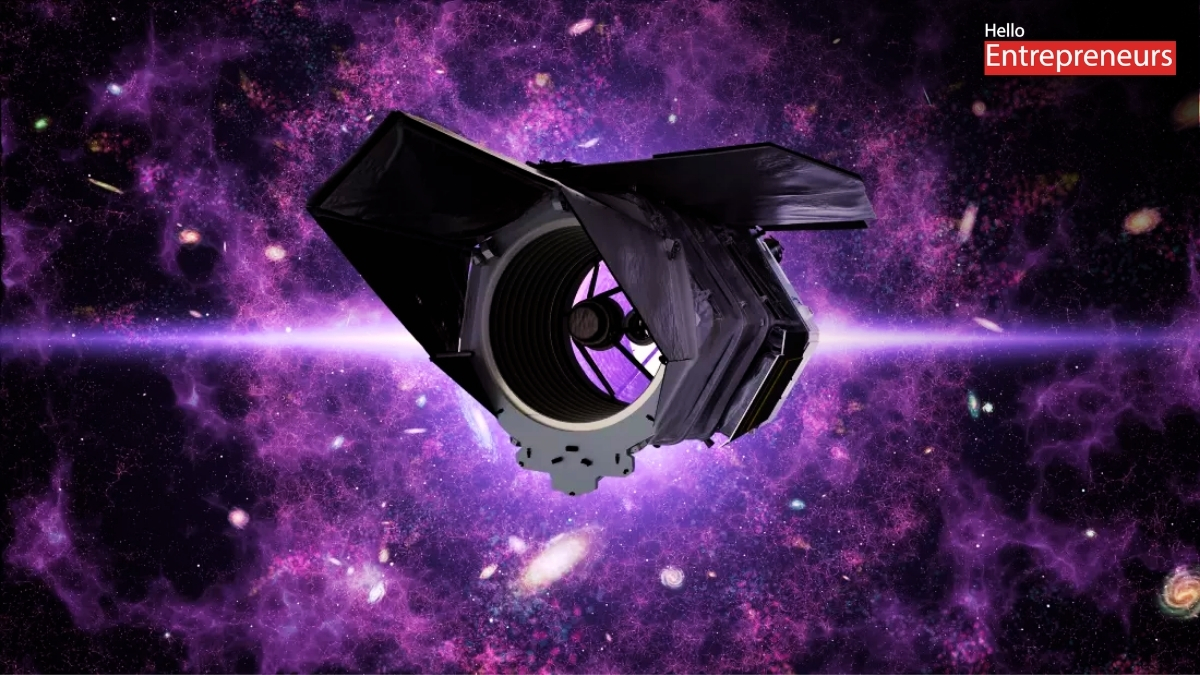
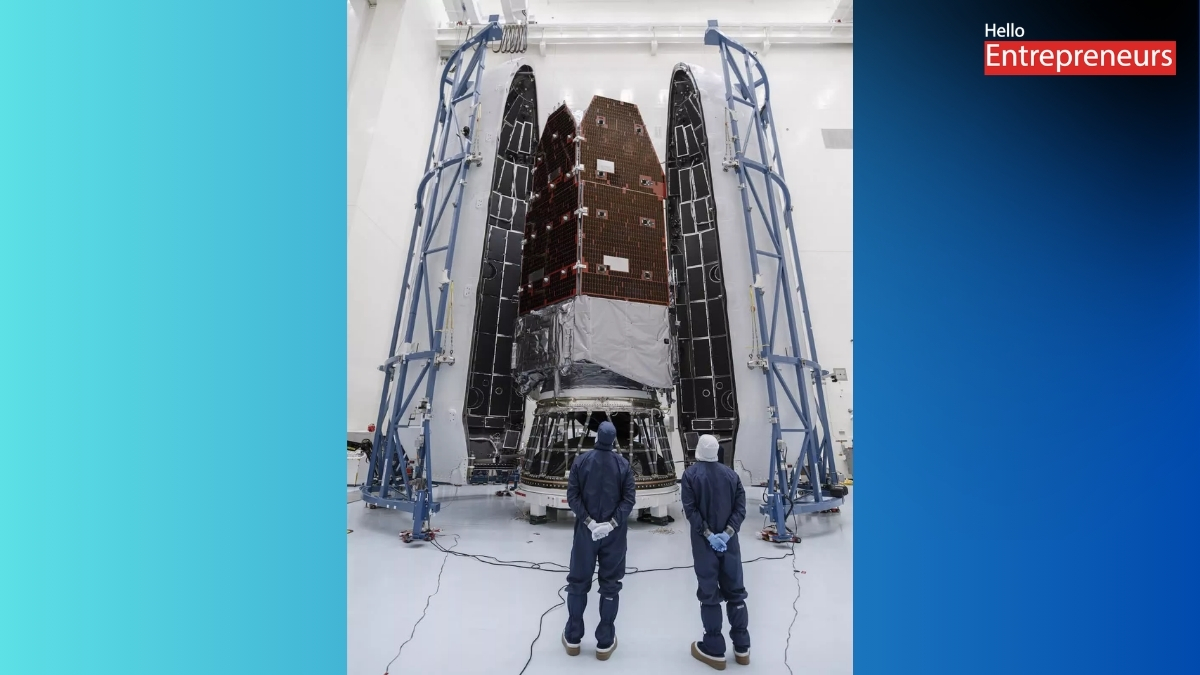
NASA pulled off a big one on Sunday, August 30, 2026: the launch of the Nancy Grace Roman Space Telescope. It’s another giant step toward figuring out some of the deepest puzzles in cosmology. The $4 billion telescope took off right on schedule at 7:26 a.m. EDT (11:26 UTC) from Kennedy Space Center in Florida, with a SpaceX Falcon Heavy roaring off Launch Complex 39A. From there, Roman set out on a three-month cruise to its home about 1.5 million kilometers from Earth, out at the L2 point—one of those cosmic sweet spots where the gravity is just right for stable telescope parking.
Now, Roman has a 2.4-meter primary mirror, just like Hubble’s. But that’s not really the big draw. The real magic comes from its incredibly wide field of view. The Wide Field Instrument packs a seriously impressive 300-megapixel camera built with 18 detectors. With every shot, it snags over 100 times more sky than Hubble ever could in one go. That means Roman isn’t just poking at a few objects here and there—it can scan the night sky up to 1,000 times faster than Hubble, turning it into a kind of space survey powerhouse.
Just one Roman image—at full resolution—would need more than half a million HD TVs to display properly. Each picture covers about 0.28 square degrees of sky, actually bigger than the full Moon looks to us. And because it sees everything from visible light deep into the near-infrared (from 0.48 to 2.30 micrometers), it can look right through cosmic dust and catch faint, faraway galaxies stretching away from us in the ever-expanding universe.
What’s the whole point? Roman dives straight into the “dark universe”: all that unseen stuff—dark matter and dark energy—that makes up roughly 95% of everything out there. By mapping billions of stars and galaxies, Roman will send back data that can help explain how dark matter and dark energy shape the universe and drive its expansion.
The telescope’s also on the hunt for exoplanets, scouring the Milky Way for worlds beyond our solar system. Scientists think Roman will spot something like 100,000 new exoplanets, offering us the first real stats on how common planetary systems like ours might be. And thanks to a sensitive coronagraph, Roman can actually take direct images of some of the exoplanets around nearby stars—something that’s never been done with this kind of sharpness.
There’s a whole toolbox onboard. Roman isn’t just about snapping pics—it’s got eight imaging filters, a grism, and a low-res prism for what’s called “slitless spectroscopy.” In plain English, the telescope can not only photograph huge chunks of sky but also gather data about what those objects are made of, how hot they are, and how they’re moving.
The plan is to survey for over a year, during which Roman will spot more than two billion galaxies. This mountain of data should help scientists track how stars, galaxies, and giant clusters came together over cosmic time, and how the universe’s expansion has changed.
And there’s a cool bit of history here. The telescope’s named after Nancy Grace Roman, NASA’s first chief astronomer. Its primary mirror actually started life during the Cold War as part of a spy satellite. Now it’s peering into the universe instead of at Earth. Roman fits right alongside—rather than replaces—the James Webb Space Telescope and the rest of the space science fleet.
Webb is built for deep, focused views of particular targets. Roman, on the other hand, covers massive swaths of the sky in each survey. Pairing up, these telescopes give astronomers the tools to tackle the fundamental questions: What’s dark energy? How common are Earth-like planets? And what else is out there waiting to surprise us?
As NASA scientist Julie McEnery put it, the data Roman collects will be the “keys that will allow us to unlock the fundamental nature of dark matter and dark energy and the fabric of the universe itself.” With this successful launch, Roman’s finally on its way to mapping the hidden universe—and maybe finding those things we don’t even know we don’t know.

