



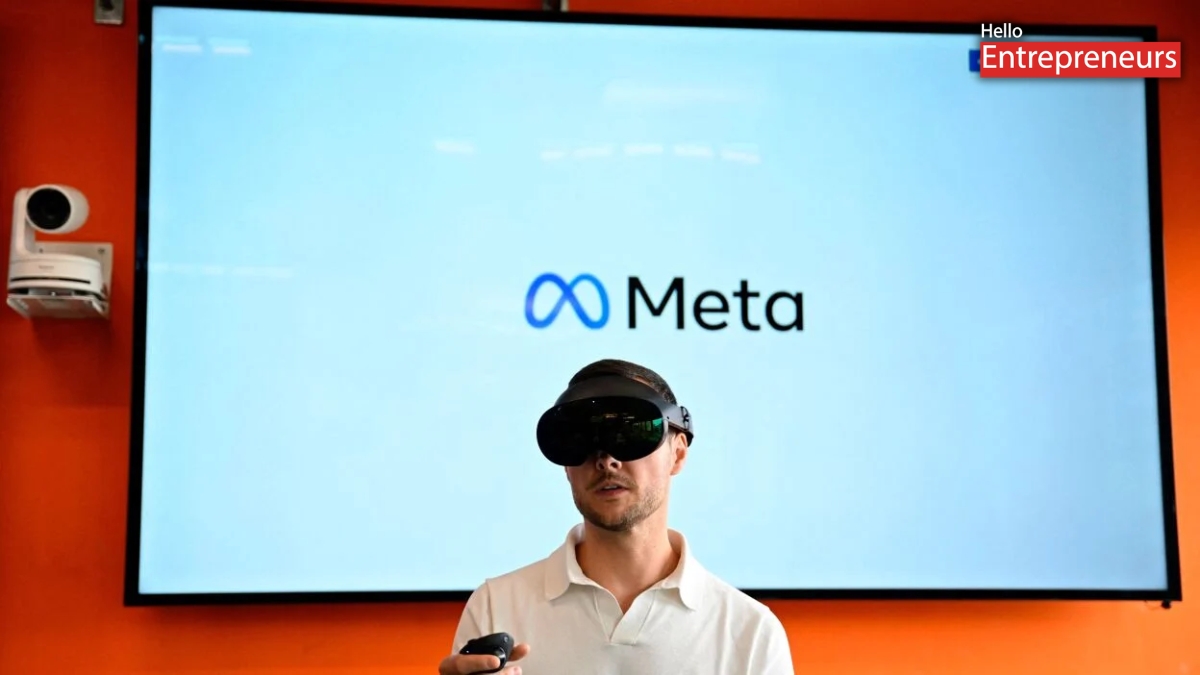
New Delhi: Meta’s next VR headset barely looks like a headset. It looks like glasses, costs $1,299, and won’t ship until spring 2027.
Mark Zuckerberg showed off the Meta VR Glasses on Wednesday at the company’s Connect conference in Menlo Park. He spent nearly as much time on a second gadget, a small handheld called Muse Charm, meant to give people a quick line to Meta’s new Muse AI agent.
The glasses first. They weigh about 100 grams, which Meta says is roughly five times lighter than a Quest 3. The trick is a tethered puck that holds the Qualcomm processor, battery and storage, so none of that sits on your face. You get a 5K display, hand and eye tracking, and access to the Quest game library, plus 3D movies, with Disney+ streaming Marvel titles in select countries from November. But you still carry the puck.
This is Meta’s first VR device since the $299 Quest 3S in 2024, so the price is hard to ignore. It’s more than four times higher.
Zuckerberg was pretty open about where the company’s head is. Meta will build fewer VR devices, he said, and release them only when there’s a real breakthrough. He called this one that. Then he said personal superintelligence “will not only come first, it will be much bigger and more important” than the metaverse. That’s a striking thing to hear from the guy who renamed the company around the metaverse.
Charm is a vaguer product. Zuckerberg said people will talk to it to reach Muse “without having to unlock a phone or open an app,” and called it the fastest way to show Muse your surroundings if you’re not wearing glasses. He gave no price. Meta still has to finalize the components, he said, but is aiming for a December ship date. Reuters, as relayed by other outlets, describes something about the size of an AirPods case with a roughly 2-inch touchscreen and 5G. Meta’s on-stage detail was thinner than that.
Muse launched September 8. It can also be fill out the forms or book travel, and Meta has also stated that it checks with the users before any sensitive steps like sending an email or making a purchase.
The company also showed camera-free Ray-Ban glasses, which sidestep the long-running complaint that wearers can record people without their knowledge. Meta has reason to keep pushing there. IDC puts it at 68.7% of global smart glasses shipments in the second quarter.

