



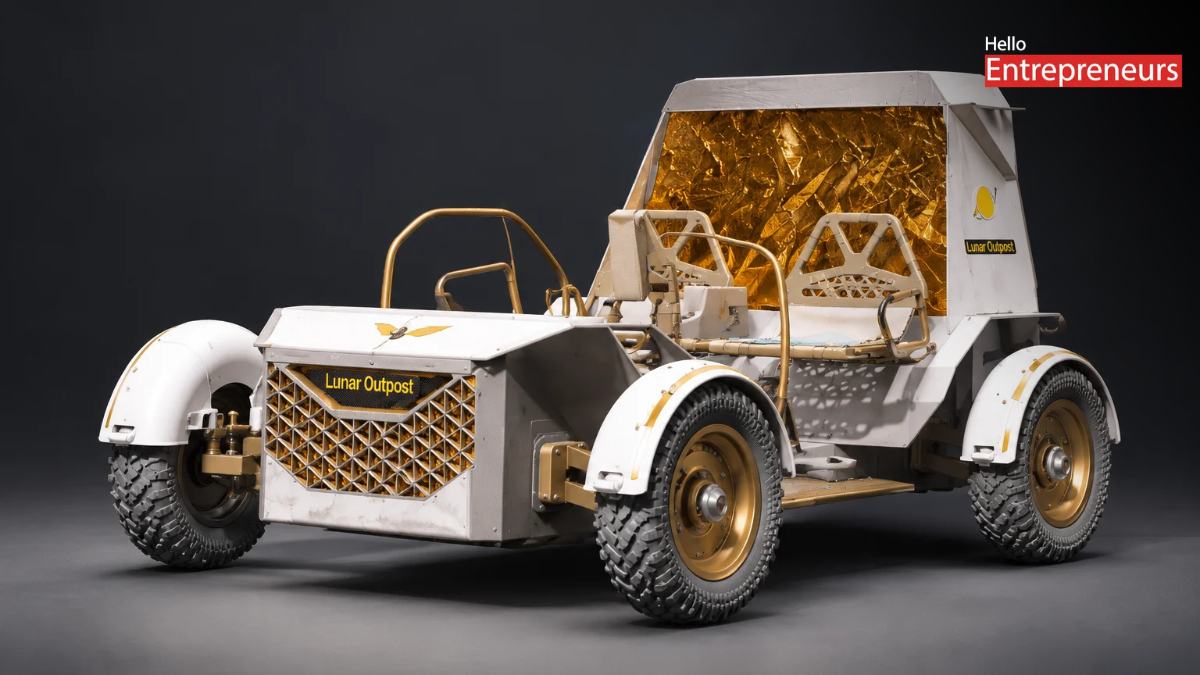
NASA picking Lunar Outpost to build and deliver its Pegasus Lunar Terrain Vehicle (LTV) is a pretty big deal. This $220 million contract gives Artemis astronauts a reliable ride across the tough, shadowy South Pole region of the Moon. Lunar Outpost, based in Colorado, got the task order in May 2026, aiming to drop off the first version of Pegasus by 2028. It’s a big jump toward making lunar exploration actually doable.
Why’s this such an important move? The Artemis missions are focused on the South Pole, but the place isn’t exactly welcoming—it’s got steep slopes, deep shadows, wild temperature swings, and it’s just plain rough. Pegasus is supposed to let astronauts push farther and stay out longer, working beyond the landing site and hauling gear where they need it.
So, what did NASA decide? Under their Lunar Terrain Vehicle Services contract, they picked Lunar Outpost and Astrolab as the first teams to build rovers for Artemis crews. Astrolab got $219 million, Lunar Outpost got $220 million—both are firm-fixed-price, performance-based deals. These rovers will carry two suited astronauts plus cargo between points on the lunar surface. NASA says they’ll help with transport, autonomous driving, preparing the ground, science experiments, and tech demos.
Blue Origin is also in the mix. They got $188 million, with an option to snag another $280.4 million, to deliver these rovers to the Moon’s South Pole as part of NASA’s Commercial Lunar Payload Services program.
Pegasus itself isn’t just another rover—NASA calls it a lighter, mission-ready spin on Lunar Outpost’s Eagle rover. It’s designed for the new crewed LTV requirements, and can be driven by astronauts, run on its own, or controlled remotely. It goes over 9 mph and is tough enough to keep operating for up to a year in the Moon’s harsh conditions. Lunar Outpost says Pegasus builds on their previous MAPP rover missions and several full-scale Eagle prototypes.
Unlike the old Apollo rovers, which were basically short-term solutions, Pegasus is meant for the long haul. Its ability to run without anyone onboard means NASA can scout routes, transport supplies, and check for hazards before astronauts even set foot in a new spot.
Why focus on the South Pole? That region might hold water ice trapped in permanently shadowed areas—a game changer for future exploration and maybe even sustaining human life up there. But the terrain is brutal: steep slopes, craters, low light, and wild temperature swings. NASA’s larger plan is to set up sustained operations in the area. Before sending people out with rovers, robots will go first to map the ground, test landing tech, and cut down risks.
Getting several LTVs up there early helps NASA scout hazards, stash resources ahead of time, and test the systems for longer stays on the Moon.
Looking ahead, NASA’s target is to get both crewed and uncrewed mobility systems on the lunar surface by 2028. Lunar Outpost says Pegasus might hit delivery in November 2027, so they’re ahead of schedule for the planned 2028 launch. In the next year and a half from the May 2026 award, companies will finish up designs, run crew tests, and get their units flight-ready.
NASA’s hinted at more opportunities—a sort of open invitation for other vendors to join down the line. Pegasus and Astrolab’s CLV-1 are just the first wave of lunar vehicles. It’s clear this is all about building a fleet, not picking just one winner.
For Artemis astronauts, Pegasus could totally reshape how work happens on the Moon’s surface. Instead of sticking close to the lander, crews will be able to stretch their legs, carry more gear, and make their science trips longer and more productive. The rover fits NASA’s bigger goal—getting humans living and working up there regularly by 2030. If you can drive around the South Pole with ease, you’re setting the stage for bigger bases, resource hunts, and more ambitious missions.
NASA hasn’t given a firm date for the first crewed landing that’ll use Pegasus yet. Timelines could shift, but the rover is right smack in the middle of the agency’s next chapter for lunar exploration. It’s not just about the ride—it’s about how astronauts can actually get the job done on the Moon.

