



New Delhi: The Japanese company’s ispace mission faces another setback for its moon lander, which had attempted to land on the lunar surface during its touchdown on Friday, marking another failure two years after an unsuccessful attempt for the mission.
Tokyo-based ispace companies have hoped to join US firms like Intuitive Machines and Firefly Aerospace in making those successful commercial moon landings amid a global race that includes state-run lunar missions from China and India. However, the failure means another multi-year pause in Japan’s commercial access to the moon; the country remains committed to the U.S.-led Artemis program, and a wide range of Japanese companies are studying lunar exploration as a business frontier.
The Resilience, its second lunar lander, has problems measuring its distance to the surface and could not slow its descent fast enough, the company said, adding it has not been able to communicate with the Resilience after a likely hard landing.
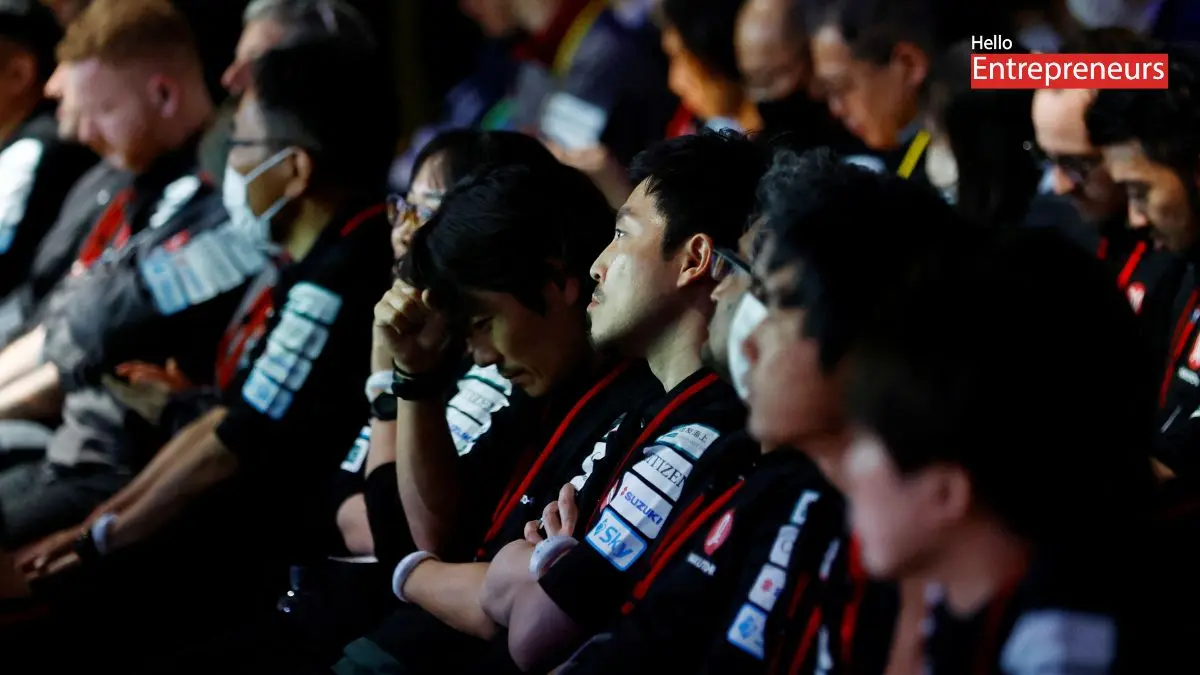
The ispace Chief Technology Officer, Ryo Ujiie, told a press conference that truly diverse scenarios were possible, including issues with the propulsion system, software, or hardware, especially with sensors. More than 500 employees working in the room of shareholders, sponsors, and government officials abruptly grew silent when weight data was lost less than minutes or the scheduled touchdown time during a public viewing event at Sumitomo Mitsui Banking Corp in the wee hours in Tokyo.
Shares of ispace were untraded, overwhelmed by sell orders, and looked set to close at the daily limit-low, which would mark a 29% fall. As of the close of Thursday, ispace has a market capitalisation of more than 110 billion yen, around $766 million.
In 2023, ispace’s first lander crashed into the moon’s surface due to inaccurate recognition of its altitude. Software remedies have been implemented, while the hardware design was unchanged, primarily in Resilience. However, in this crash, ispace has five external payloads worth a total of $16 million, including scientific instruments from Japanese firms and a Taiwanese university.

