



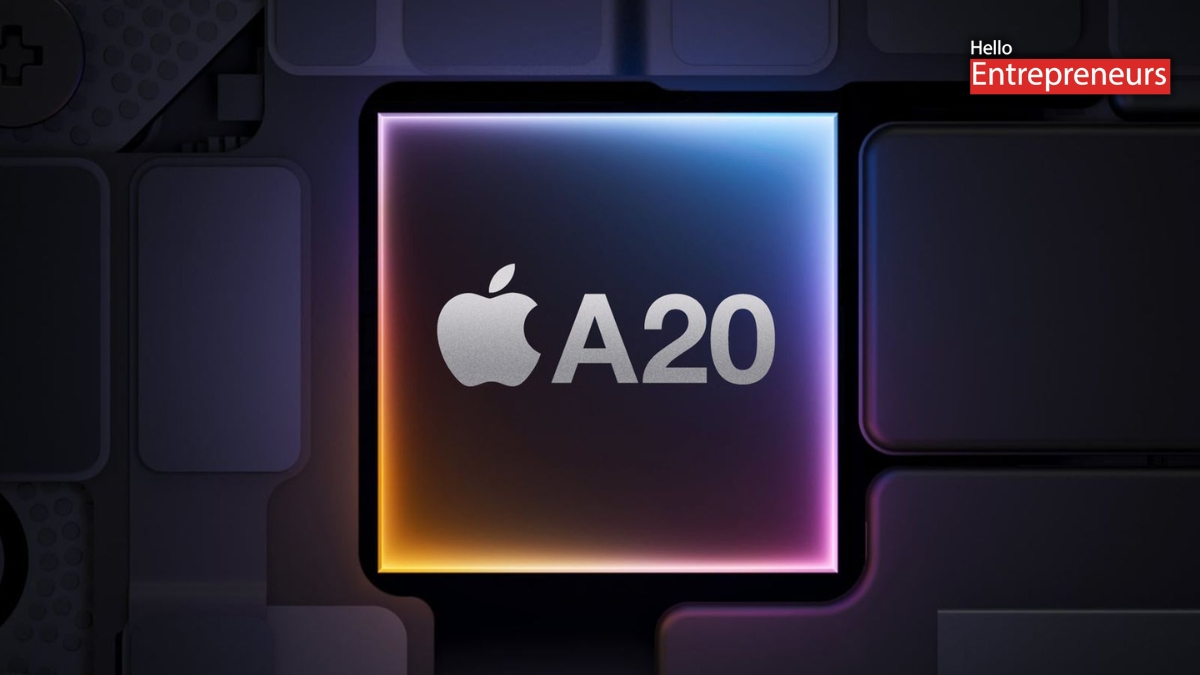
New Delhi: The upcoming iPhone 18 Pro series and its successor are anticipated to mark a new milestone in smartphone performance, with the rumored implementation of TSMC’s new 2nm manufacturing process, which would benefit from the company’s superior and most recent chip fabrication technology. If these reports are true, Apple could once again set the standard in smartphone processors and give other manufacturers like Samsung, Qualcomm and MediaTek a run for their money.
The biggest change with the A20 Pro is expected to come from the move from a 3nm process to a 2nm process. The smaller the manufacturing process, the more transistors that can fit into a smaller area for the chipmakers. This can contribute to increased performance at lower power consumption.
Currently, the 2nm technology offered by TSMC could greatly enhance device performance and power efficiency over the previous generation. Some estimates within the industry put performance gains as high as 15% and as much as 30% more efficient at using electricity, but these figures aren’t official Apple specifications.
It might improve app launches on iPhone, gaming, video editing and performance when doing heavy workloads. The efficiency improvements also might help Apple extend battery life, while avoiding a significantly larger battery.
The A20 Pro may play an even bigger role in Apple’s plans to power artificial intelligence. Apple could implement advanced packaging technology for its chip that integrates the processor and memory in a tighter space, which would minimize memory delays, reports said. This might render the iPhone 18 Pro more viable for AI functions to be run on it.
The transition to 2nm may also help Apple obtain a significant edge over its rivals. For instance, Google’s upcoming Tensor G6 is rumoured to be built on TSMC’s 3nm chipset, instead of the 2nm, which could give Apple a significant manufacturing edge when the iPhone 18 Pro goes to market.
But Apple’s A20 Pro isn’t necessarily the “best smartphone chip ever” until it gets into real-world scenarios, and produces results. It is not only the manufacturing process that determines a Chip’s performance, but also CPU design, GPU performance, cooling, software optimisation, and its AI features.
However, if Apple manages to integrate the 2nm process with a new super-powerful architecture and strong optimisation of the iOS software, then the A20 Pro may turn into one of the most powerful and efficient smartphone chips available worldwide, providing the industry with a new benchmark.

