



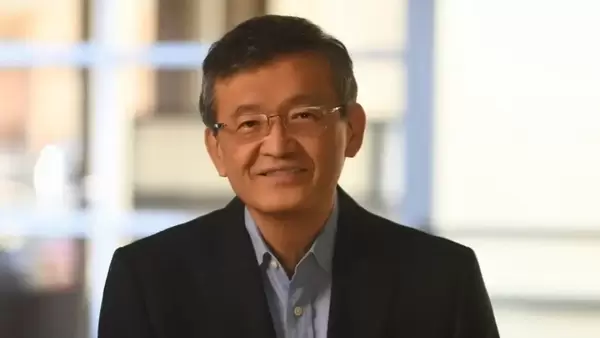
New Delhi: After facing a tough few years, Intel is making a comeback under its new CEO, Lip-Bu Tan. Taking over in March 2025, Tan has already made big changes to how the company is run, especially when it comes to speeding up innovation and focusing more on artificial intelligence (AI).
One of Tan’s first moves was to flatten Intel’s leadership structure. Now, the leaders of important departments like data center chips, AI chips, and PC chips report directly to him. Before, they had to go through another executive, Michelle Johnston Holthaus. She’ll stay on as CEO of Intel Products, and her role is expected to grow in the future.
Tan believes that this new setup will help cut through red tape and give him a clearer picture of what Intel needs to stay competitive. In a note to employees, he said the company had become too slow, too complicated, and too divided, making it hard for new ideas to move forward.
Tan’s main goal is to turn Intel into an engineering-led company again. He wants teams to have more freedom to try out new ideas, and he’s pushing to speed up how decisions get made. His changes aim to remove unnecessary barriers so that innovation can thrive again.
A major pointer of the leadership changes is the promotion of Sachin Katti. Previously in charge of networking chips, Katti is now Intel’s Chief Technology Officer and Chief Artificial Intelligence Officer. He’s also a professor at Stanford University. In his new role, he’ll lead Intel’s AI plans, run Intel Labs, and work with developers and startups, he’s stepping in for Greg Lavender, who is Currently retiring.
This clearly shows that Intel is taking AI seriously, an area where it has fallen behind other tech giants like Nvidia.
Tan’s arrival comes after a rocky time for Intel. The last CEO left after disagreements with the board. The company’s stock dropped by 50%, its Ohio chip factory faced delays, and it had to cancel its Falcon Shores AI chip. In August, Intel also announced a 15% workforce cut, laying off around 15,000 people after poor financial results.
Despite the challenges, Tan brings strong experience, as the former CEO of Cadence Design Systems, he more than doubled its revenue and grew the company’s stock, he’s known for focusing on customers and building strong relationships across the tech world.
Tan says he wants to make Intel a top-tier tech company once again. He’s keeping both chip design and manufacturing in-house and plans to focus on creating value for customers and shareholders. A $7.865 billion grant from the US Department of Commerce through the CHIPS Act, $2.2 billion of which has already been received, could give Intel a big boost in building its US-based chip factories.

