



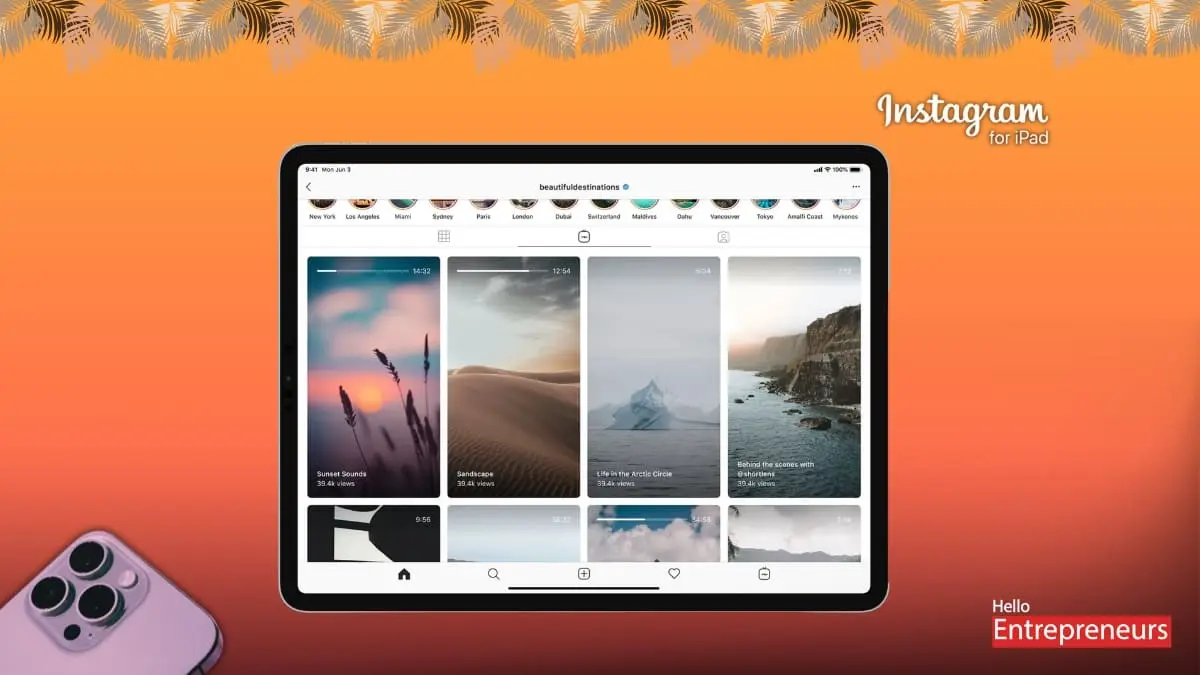
Mumbai: For more than a decade, iPad owners toted one of the planet’s most capable tablets in order to be informed—nicely or not—that Instagram was “better enjoyed on mobile.” That rationalization finally falls apart. In September 2025, Instagram released a native iPad app, with Reels support, split-screen UI optimized, and long-overdue respect for not needing to stretch an iPhone app across a 12-inch screen. Yes, you heard right: it took 15 years for one of the most used social networks in the world to acknowledge Apple’s flagship tablet.
The Good News: A User Pain Point Finally Vanishes
From a user experience perspective, this is the definition of a brand finally recognizing its audience. Creators, students, designers, and casual scrollers alike begged for what felt like an eternity for a real iPad version of Instagram. The hacks—browser, third-party apps, or cringeworthy iPhone-enlarged versions—were nothing short of a UX travesty.
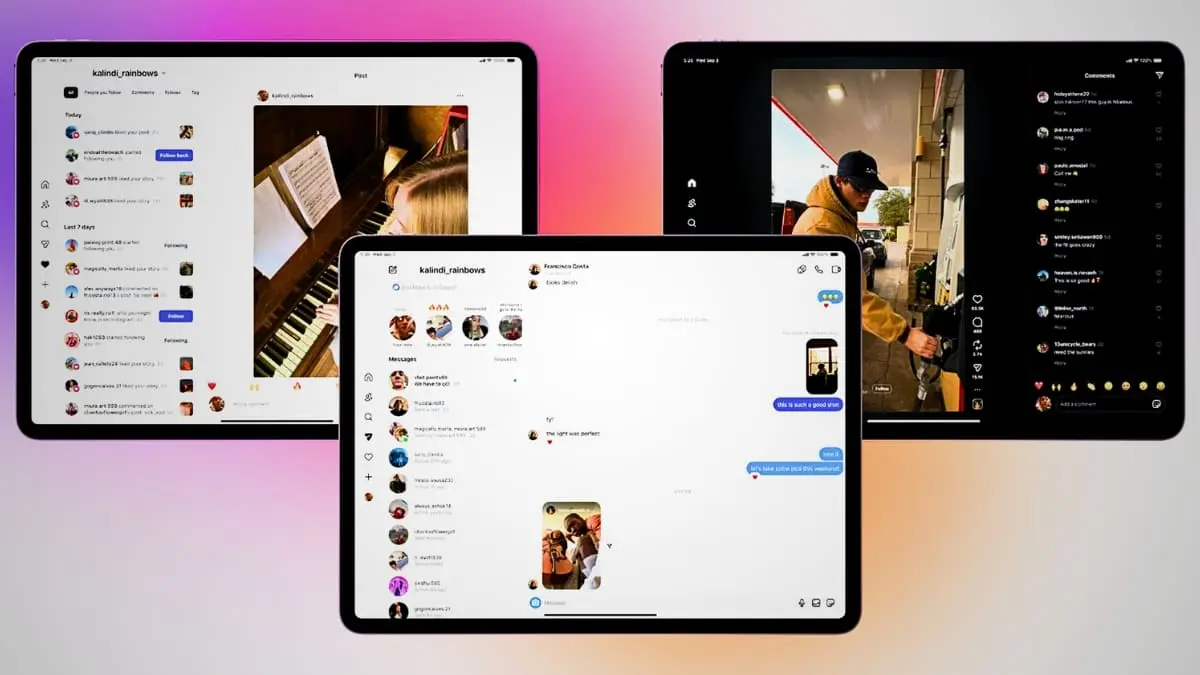
Now, the iPad app offers:
- A responsive layout designed for the larger screen.
- Reels optimized for landscape and portrait, no more black bars or awkward cropping.
- Enhanced multitasking allows people to edit content as they research or write captions simultaneously.
- Support for Apple Pencil on some creative apps turns the iPad from a passive watching tool into a true creative workspace.
For creators, it’s not merely a gimmick—it’s a productivity boost. Editing Reels on an expansive screen with precise touch feels like graduating from a shoebox studio to the Great White Way.
The Bad News: Why Did It Take So Long?
Of course, no big tech “finally!” moment comes without the obvious question: what took them so long?
A Neglected User Base
Instagram (and by extension Meta) historically prioritized iPhone and Android smartphones—the cash cows of engagement. The iPad, despite its millions of users, was seen as secondary. Ironically, Apple itself marketed the iPad as a “pro device” for creatives, the very group Instagram claims to empower. The mismatch was glaring.The Reels Factor
Insiders suggest the company’s obsession with competing against TikTok sucked oxygen away from other initiatives. Only when Reels found a firm footing did it make strategic sense to offer the iPad app as a “creator-friendly” tool. In other words: your complaints weren’t enough—competition was.Apple’s Walled Garden
Let’s not forget the not-so-subtle dance between Meta and Apple. With App Store fees, advertising tussles, and privacy policy spats, neither company was in a hurry to do the other any favors. The iPad app’s absence may have been part technical delay, part corporate cold war.
Strategic Spin: Why Now Matters
From a PR and product strategy lens, timing is everything. Rolling out an iPad app in 2025 accomplishes several goals for Meta:
Revitalised Brand Perception
Instagram gets to appear as if it finally “listens” to users. The hashtag #InstagramOniPad trended within hours of release—not bad for free advertisement.Cross-Device Consistency
In a time when UX is evaluated on many devices, the absence of parity between the iPhone and iPad experience was glaring. Today, Instagram can check that box and say it is “seamlessly everywhere.”Creator Economy Investment
Instagram’s biggest audience now isn’t just casual scrollers but professional creators who monetise Reels and posts. Giving them a larger, more capable canvas signals that Meta sees creators as its long-term growth engine.Apple Relationship Optics
Whether coincidental or strategic, this release softens the perception of hostility between Apple and Meta. After all, if you’re fighting over ad revenue, you may as well look united on user experience.
A Touch of Sarcasm: Really, 15 Years?
It’s hard to resist a little irony here. The iPad launched in 2010. By 2012, it was already being touted as the future of computing. Fast forward through a pandemic, multiple TikTok bans, the rise and plateau of Threads, and the entire VR hype cycle—and only now does Instagram arrive on iPad.
It’s like arriving at your own surprise party… after the cake has been devoured. Former users who begged for the feature have since conditioned themselves to live without it. And yet, here we are, cheering like dutiful fans who finally received a sequel no one thought would ever be approved.
The Creator Perspective: From Frustration to Opportunity
For creators, this isn’t just a quality-of-life improvement—it’s a potential workflow revolution. Imagine:
Editing a Reel while referencing a storyboard in split-screen.
Annotating posts with the Apple Pencil in real time.
Using the iPad as a second screen during live streams.
However, creators also warn that if Instagram doesn’t pair this hardware leap with better algorithmic transparency and monetisation, the iPad app risks being lipstick on a pig. Bigger screens won’t fix smaller payouts.
The User Perspective: Convenience Finally Delivered
For casual users, the payoff is straightforward: iPad Instagram finally looks and feels like it should. No blurry resolution, no stretched-out icons, no hackaround logins. Whether scrolling through recipes, doom-scrolling memes, or enjoying pet Reels, the app now feels designed instead of bolted on.
Still, cynics note: Was the iPad app actually solving the platform’s most fundamental issue? Some believe Instagram should have emphasized fighting spam, decreasing advertisements, or bringing back chronological feeds. The new app is welcome but doesn’t somehow resolve Instagram’s more profound identity crisis.
Final Thoughts: Applause with an Asterisk
Yes, finally, then, Instagram’s iPad app has landed, and it’s gorgeous—lean, helpful, and completely long-overdue. It’s a triumph for creators, a blessing to users, and a well-timed PR windfall for Meta.But don’t let’s confuse this with altruism. The gesture is as much about competitive strategy and creator economy spin as it is about listening to users who have been overlooked for too long.
After 15 years of waiting, iPad users can finally swipe, scroll, and post in native luxury. Whether they should celebrate or simply mutter “about time” depends on how forgiving they feel. In the end, the iPad app is less a groundbreaking innovation than a long-delayed apology—wrapped, of course, in Instagram’s signature filter.

