



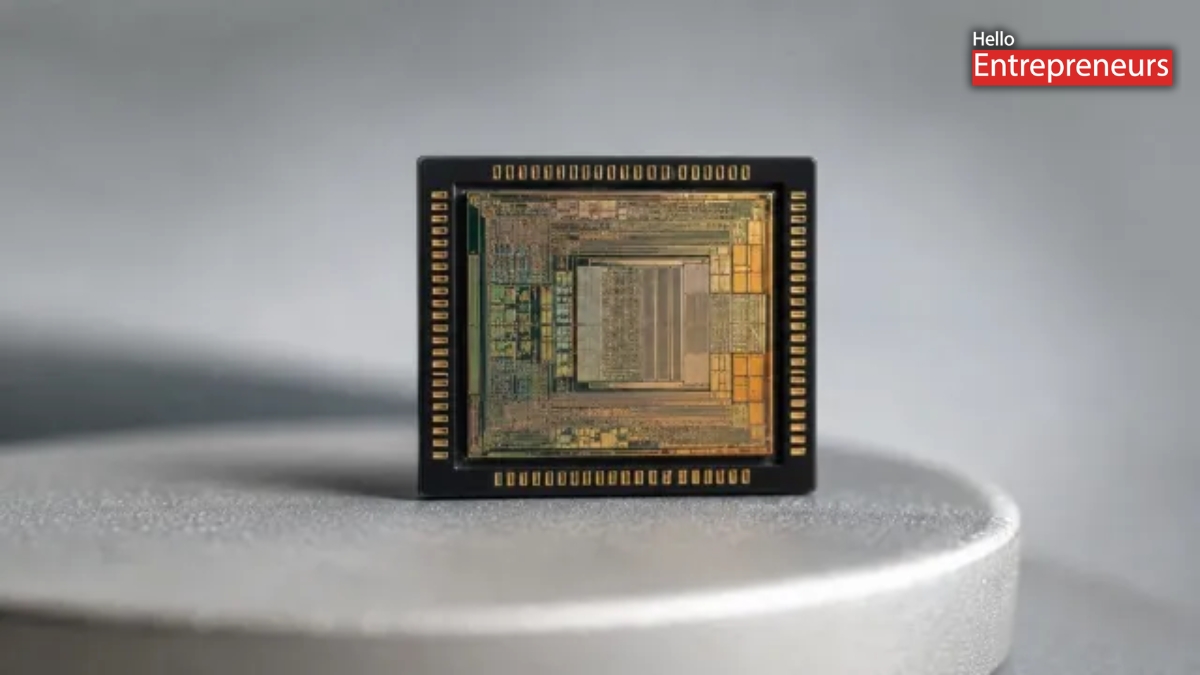
New Delhi: Aheesa Digital Innovations of Chennai has successfully passed silicon tests for its first run of its indigenous broadband networking System-on-Chip (SoC) chip, VIHAAN, placing another major milestone in the journey of India’s semiconductor technology. The chip is intended for fibre broadband applications and comes with the domestic VEGA microprocessor. The anticipated production tape-out is in 2027.
But now, the more important question is whether VIHAAN can stand up in the global market for the established providers of broad-based chip makers.
A focus on broadband can be an advantage
VIHAAN does not aim for direct competition with all kinds of semiconductors. Its primary emphasis is on fibre broadband along with technologies adopted in the field of broadband networking equipment. The targeted approach might pave the way for Aheesa to find a chip that caters to the needs of telecom companies, internet service providers and network equipment manufacturers.
First pass silicon success is also a big success. It implies that the chip passed the critical silicon testing, thereby eliminating large redesigns prior to the next step. Now Aheesa has the possibility of making a leap forward towards 2027 Production tape-out.
Cost could become a major advantage
If you want to go onto a global stage, you will not only need to perform, you will need to do it well. However, price, efficiency, reliability, and software support will be important, too.
India has a huge telecom and broadband market; through which Aheesa has a chance to gain a solid foundation for its customers. If VIHAAN delivers competitive performance at less overall cost, then other companies in other emerging markets may be interested in them as well.
This might also be a boost from India’s maturing semiconductor ecosystem. India’s chip-design sector is growing and there have been already dozens of tape-outs for the Design Linked Incentive (DLI) scheme backed by the government, with companies having raised over a whopping $100 million to date.
Global competition will be tough
But VIHAAN will have to compete with the global semiconductor companies who have already years of experience, huge research funds and good relationship with the telecom equipment manufacturers.
Aheesa will thus have to establish that VIHAAN can perform well at the production level, have stable software, be reliable and offer competitive pricing at the production level. Other certifications, including those at the global level, and relationships with telecom equipment vendors, will also be significant.
A starting point for India
VIHAAN can’t immediately take on the world’s largest chip manufacturers of broadband. However, this isn’t always the primary objective. It would provide the Indian chip designers with valuable experience in the development of a silicon that could be used in a commercial networking application.
VIHAAN could serve as a significant example of how Indian semiconductor startups could be involved in realising products both within India and internationally, if it succeeds in moving on from first pass silicon to mass production in 2027.
The larger chance for India is not the availability of a replacement to replace the foreign chip manufacturers on a speedy basis but whether it can demonstrate India-designed chips that can compete in specific world markets.

