



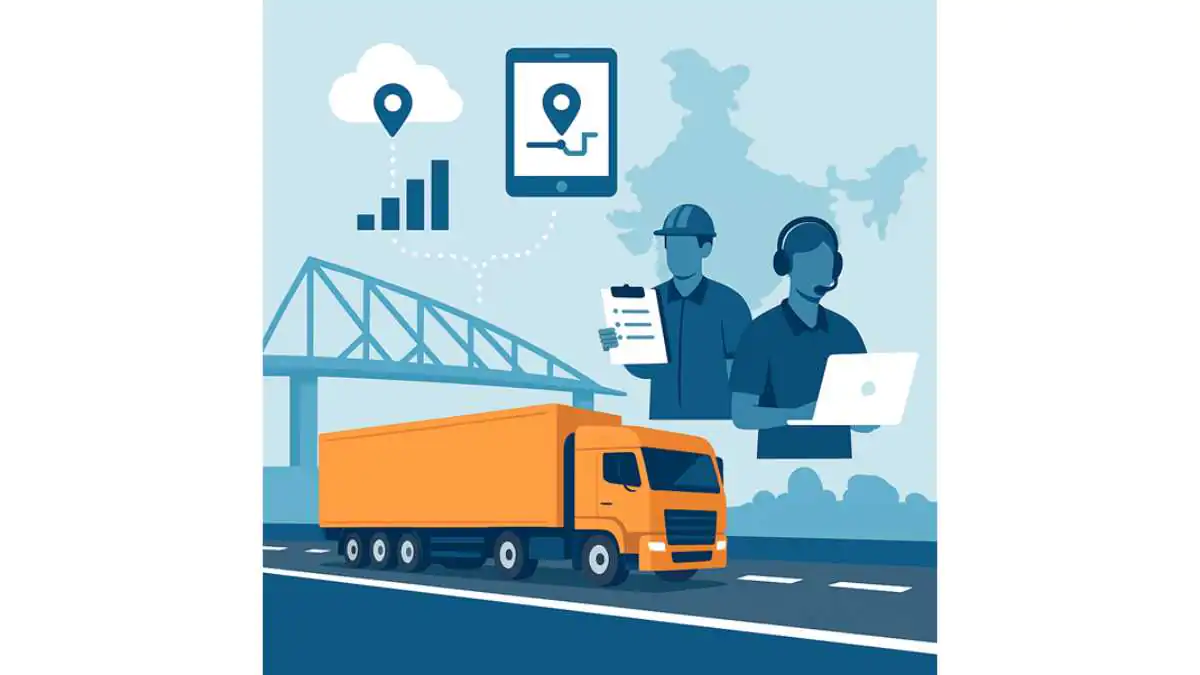
Mumbai:India’s logistics sector is entering its most transformative phase in decades. With rapid digitalization, integrated freight networks, and an evolving focus on workforce development, the industry is reshaping the way goods move across the nation. This transformation is not just about moving faster—it’s about moving smarter.
In this article, we’ll explore the data behind this evolution, the projections for the coming years, and why digital freight innovation, upskilling, and resource mapping are central to India’s logistics success story.
The Starting Point: Scale, Cost, and the Need for Change
India’s logistics industry is already one of the largest in the world, valued at approximately USD 228 billion in 2024 and projected to reach USD 357–400 billion by 2030, according to market reports. The sector employs more than 22 million people, spanning transport, warehousing, freight forwarding, and last-mile delivery.
Yet, the sector has long been burdened with high operational inefficiencies. Logistics costs account for nearly 14% of India’s GDP, compared to 8–10% in developed nations. High fuel prices, manual coordination, unorganized truck ownership, and lack of digital visibility contribute significantly to this gap. Reducing this cost is crucial to improving India’s trade competitiveness and manufacturing productivity.
The Digital Freight Revolution: From Manual to Smart Logistics
Digitization has become the most disruptive force in logistics. From online freight marketplaces to AI-driven route optimization, digital transformation is replacing guesswork with data-driven precision.
How Digital Freight Is Transforming the Industry
- Real-Time Visibility: GPS tracking, IoT sensors, and cloud-based dashboards now allow both shippers and receivers to track cargo movement live.
- Instant Pricing & Booking: Digital freight platforms like Trukky enable transparent pricing, instant quote generation, and easy truck booking, reducing dependence on middlemen.
- Route Optimization & Efficiency: AI tools are minimizing empty runs, improving fuel efficiency, and increasing vehicle utilization.
- Data Analytics for Planning: Freight analytics help predict demand, optimize warehouse placement, and plan intercity routes more effectively.
By digitizing the freight cycle—from booking to delivery—India’s logistics ecosystem is becoming leaner, faster, and more transparent. This shift also supports small and medium-sized transporters who can now compete more effectively using digital tools.
The Role of Workforce Development and Resource Mapping
While technology drives the transformation, people remain its foundation. The logistics sector employs millions, but a large portion of the workforce lacks formal training or access to organized job opportunities.
The Current Workforce Challenge
- Shortage of Skilled Workers: With logistics automation and e-commerce growth, there is a rising need for digitally literate staff—drivers, dispatch operators, warehouse executives, and planners.
- Fragmented Job Market: Blue- and grey-collar logistics workers often find employment through informal networks, which lack long-term security or career growth.
- Geographic Imbalance: Resource mapping is often poor – certain industrial clusters face severe manpower shortages, while other regions see surplus availability.
Bridging the Gap through Digital Employment Platforms
Platforms like 48Jobs which specialize in transport and logistics recruitment, are filling a critical gap by:
- Connecting verified logistics professionals with employers through AI-driven matching.
- Supporting upskilling and training initiatives for warehouse and transport professionals.
- Enabling data-backed manpower planning for companies scaling their logistics operations.
This digitization of human capital not only improves employability but also ensures that logistics companies maintain steady, trained manpower during expansion phases.
Data-Backed Growth Projection: The Road Ahead
The logistics sector’s digital and workforce transformation is expected to unlock exponential gains over the next five years.
| Metric | 2024 (Current) | 2030 (Projected) | Impact Driver |
| Market Size | USD 228 Billion | USD 357–400 Billion | Digitization & Infrastructure Expansion |
| Employment | 22 Million | 30–35 Million | Workforce Upskilling & New Logistics Parks |
| Logistics Cost (% of GDP) | 14% | 10–11% | Digital Freight & Supply Chain Optimization |
| Truck Utilization | 60–65% | 80%+ | AI-Based Route Planning & Load Sharing |
These gains will come from three interconnected enablers: digital freight systems, trained workforce, and data-driven resource mapping.
Creating a Self-Sustaining Logistics Ecosystem
The future of logistics is not defined by technology alone – it’s about integration. When real-time freight data connects seamlessly with trained workforce availability, the result is an agile, scalable, and cost-efficient logistics chain.
The Future Landscape Could Look Like This:
- A manufacturer in Pune books a truck instantly online using a digital platform.
- The platform matches the shipment with a driver trained through a verified job portal.
- The cargo is tracked in real time, with automated alerts for route optimization.
- A warehouse in Ahmedabad receives the goods, processes them with automated scanning, and triggers instant proof of delivery.
Every step of this journey is powered by digital infrastructure and skilled human intelligence.
Risks and Realities
While the trajectory is positive, challenges remain:
- Adoption Gap: Smaller fleet operators often hesitate to shift to digital systems due to cost or lack of awareness.
- Skill Lag: Training and certification programs must keep pace with automation adoption.
- Data Integration: Multiple platforms still operate in silos, limiting cross-network optimization.
To overcome these barriers, continued investment in digital literacy, public-private partnerships for skill development, and simplified access to logistics technology will be essential.
Conclusion: The Human-Tech Equation That Drives the Future
India’s logistics transformation is no longer a distant vision—it’s unfolding every day. Digital freight systems have replaced opaque, manual operations with transparency and trust. Platforms like Trukky are enabling instant, tech-driven logistics solutions, while workforce-focused ecosystems like 48Jobs ensure that trained professionals are ready to power this digital shift.
As logistics continues to evolve, the winning formula will remain constant: technology creates efficiency, but skilled people sustain it. The convergence of digital freight and a capable workforce is set to reduce costs, create millions of jobs, and turn India into a global logistics powerhouse by 2030.
Disclaimer: This article is part of sponsored content programme. Hello Entrepreneurs staff is not responsible for the content including the data in the text and has no role in its selection.

