



Mumbai: For years, India’s semiconductor chip ambition lived in the familiar territory of grand announcements, incentive packages and artistically perfect factory renderings. Now, the story is becoming slightly more tangible.
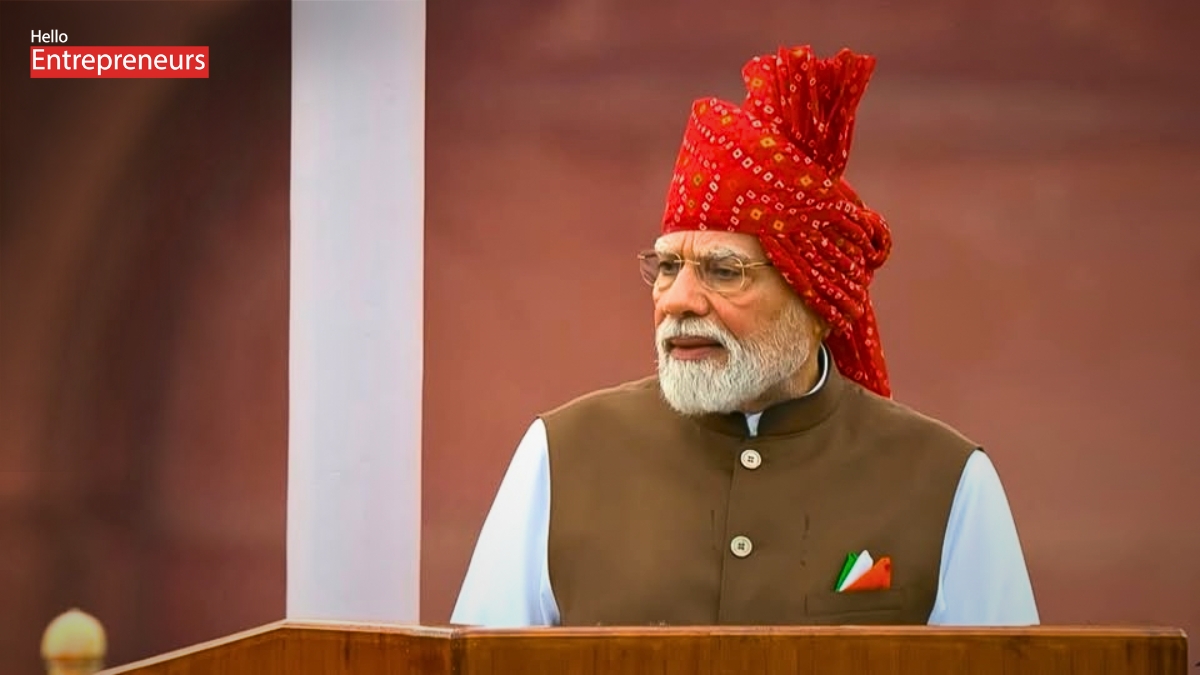
On August 15, 2026, Prime Minister Narendra Modi said India has already begun commercial semiconductor production at three facilities, while five to eight more plants could come up over the next seven to eight years.
That distinction matters. A semiconductor ecosystem is not built by unveiling projects; it is built when factories start producing chips, workers acquire specialised skills and components begin moving through domestic supply chains.
From Announcements To Actual Production
India’s semiconductor push began gaining serious momentum under the ₹76,000-crore Semicon India Programme. The government has since approved 12 semiconductor manufacturing projects with cumulative investments of more than ₹1.64 lakh crore. According to the government’s latest update, Micron, Kaynes and CG Semi have started commercial production, with another project expected to begin in 2026.
That changes the tone of the conversation.
The objective is no longer simply to convince global manufacturers that India can host semiconductor facilities. The country now has to prove that these facilities can operate efficiently, meet quality standards and become commercially meaningful.
And that is where the real test begins.
Why The Numbers Matter
Semiconductors sit beneath almost every major technology story, from smartphones and electric vehicles to industrial equipment, telecom networks, automobiles and artificial intelligence.
The scale of India’s ambition is therefore considerable. The government estimates the domestic semiconductor market could reach $100-$110 billion by 2030, compared with roughly $45-$50 billion in 2024-25.
The investment already committed is equally significant. Recent approvals include facilities for semiconductor packaging, compound semiconductors, power electronics and display technologies. A May 2026 government announcement alone added two projects worth around ₹3,936 crore.
For India, this could mean:
- Greater resilience against global chip-supply disruptions.
- More opportunities for domestic electronics manufacturing.
- Growth in specialised engineering and semiconductor jobs.
- A deeper role in global technology supply chains.
The larger prize is not merely making chips. It is building everything around them.
The Catch Nobody Should Ignore
There is, naturally, a less glamorous side to the semiconductor dream.
Building a plant is enormously capital-intensive, while running one demands reliable electricity, water, specialised equipment, clean-room infrastructure, highly trained engineers and dependable suppliers. Global chipmaking is also dominated by companies and countries with decades of accumulated expertise.
So, announcing another five or eight facilities is encouraging. Making them commercially successful is considerably harder.
India will also have to compete for talent, technology and customers while developing capabilities across the entire value chain—from design and fabrication to assembly, testing, packaging, materials and equipment.
Semiconductors, unfortunately, do not respond to motivational speeches.
The Next Phase Is More Complicated
The government’s newly approved Semicon 2.0, with a budget outlay of ₹1,27,500 crore, signals that policymakers understand the journey extends beyond individual factories. The programme is designed to strengthen semiconductor design, manufacturing, equipment, materials, supply chains and Indian intellectual property.
That broader approach could prove crucial.
India already has 105 startups developing chips, while 24 semiconductor design projects have received government support. Official data also shows that seven chips have been successfully fabricated from 16 taped-out designs supported through the programme.
This is where the semiconductor story becomes more interesting. If manufacturing expands alongside chip design, electronics production and specialist talent, India could gradually move from being predominantly a major consumer of semiconductors to becoming a more consequential participant in their global production.
The Real Measure Of Success
The next few years will reveal whether India’s chip strategy can survive the inevitable complications of cost, technology, execution and global competition.
The early signs are encouraging: three facilities are already in commercial production, investment commitments have crossed ₹1.64 lakh crore, and another wave of projects is being planned.
But the semiconductor race rewards consistency rather than spectacle. India’s real achievement will not be the number of plants announced from a podium. It will be the number that remain productive, competitive and commercially relevant a decade later.
For now, at least, India’s semiconductor story has crossed an important threshold: the chips are no longer merely part of the plan. Some are already being made.
Read More: Microsoft Is Suddenly Paying Attention to 8GB PCs

