



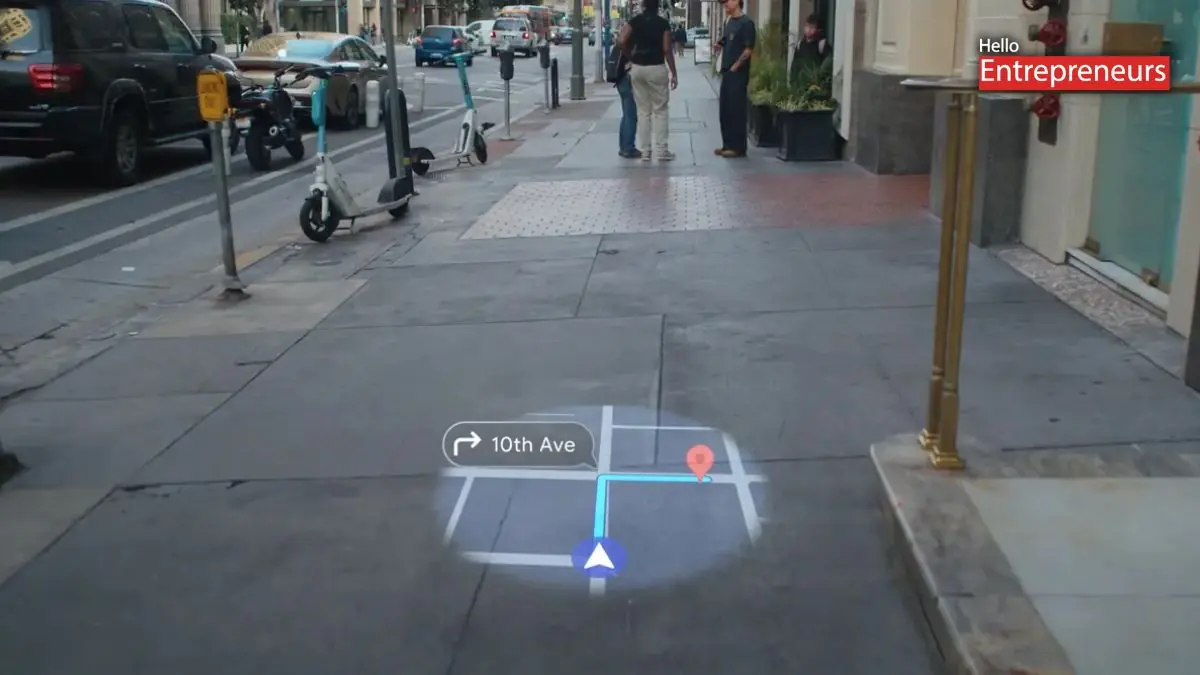
New Delhi: Google has recently detailed how it is building its interfaces for display-based AI glasses, outlining the design challenges it faced and the solutions it has developed under the latest system called Jetpack Compose Glimmer for Android XR. These details come after Google announced the schedule for its 2026 developers conference, Google I/O, which kicks off on May 19. AI glasses do not have any of the traditional screen; digital elements are layered over the real world through transparent displays. This changes fundamental design assumptions, colours behave differently, shadows do not work the same way, and even typography must be rethought, as the interface sits within a constantly changing real-world backdrop.
The interface does not sit on the lens surface, but it appears at a perceived distance of about one metre, roughly arm’s length. This actually means the users consciously shift focus from the real world to the projected interface to read content. Google has stated this shift is not passive; it is an active visual adjustment. The interface must justify the moment of attention by being clear, readable, and restrained. Another limitation comes from the display technology itself. These glasses use additive light, which means they can only add light to the world, not block it. Black is not truly black; it appears transparent. Android Material Design components did not work well.
Motion design was also reworked; fast animations proved too abrupt in the heads-up display. Google has shifted from short 500-millisecond transitions to slower animations lasting nearly two seconds by enabling the content to enter the user’s field of view gradually. At the same time, input feedback remains immediate to ensure responsiveness. Google has not detailed hardware specifications; its design disclosures provide insight into what the consumers can expect from the Google’s upcoming display AI glasses which going to include: restrained overlays, high-contrast text, neutral visuals, slower ambient notifications, and interfaces built to coexist with rather than dominate the real world.