



Germany just took a big step toward bringing artificial intelligence into its industrial heartland. The federal government signed a joint declaration with Nvidia, the U.S. chip giant, to drive AI adoption in industry—possibly its most significant attempt yet to connect German manufacturing to advanced AI.
They made it official at Berlin’s first “Invest in Germany Summit.” Top government ministries—the Federal Ministry for Economic Affairs and Energy plus the Research, Technology and Space ministry—signed on, along with Chancellor Friedrich Merz and Nvidia’s CEO, Jensen Huang.
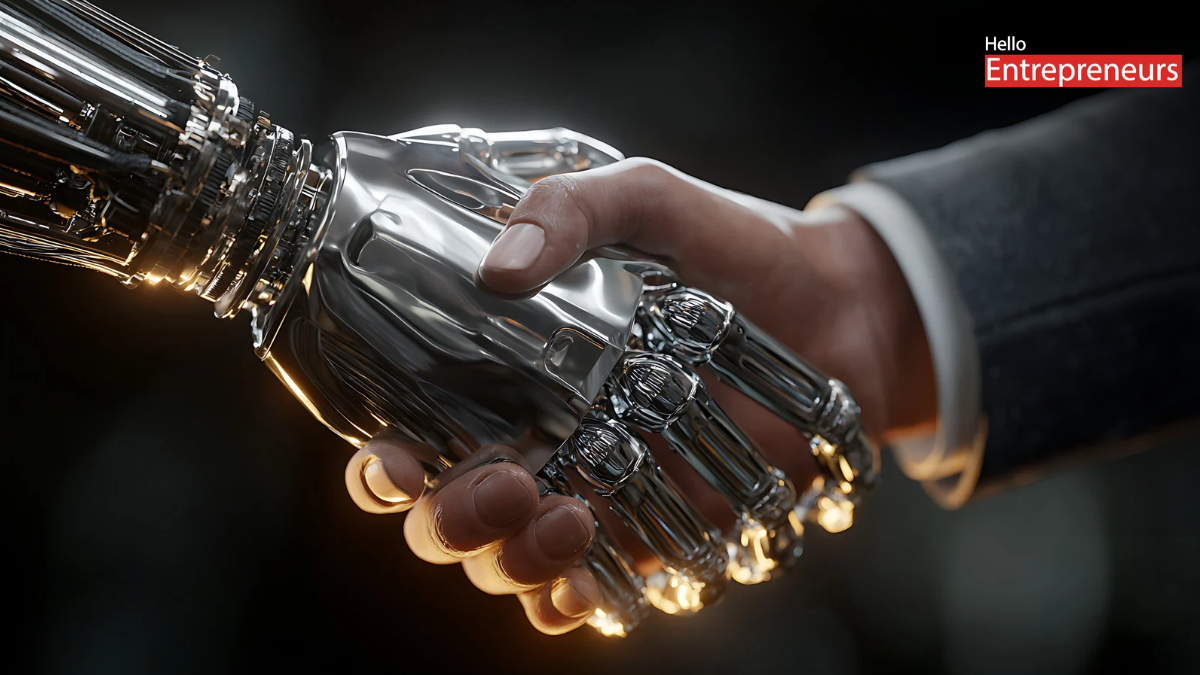
So, what’s on the table? Germany and Nvidia are teaming up to develop “physical AI”—which means stuff like robots, automated factory lines, and self-driving vehicles that interact with the real world, not just code and data. The government wants to connect Germany’s famous engineering skills with next-level AI research and innovation. There’s also talk about deepening Nvidia’s ties with Germany’s Industry 4.0 Platform, which already links policymakers, companies, researchers, and trade groups.
Berlin’s end goal is clear: get industrial AI up and running across the country and build a serious AI ecosystem right at Europe’s core, powered by German companies and research institutes.
Why now? Germany’s feeling the heat from fierce competition in AI, semiconductors, and high-tech manufacturing worldwide. Chancellor Merz believes mixing world-class German engineering with top-shelf AI can spur real economic growth and prove that Germany is, in his words, “open for business”—and ready to accelerate.
They’re especially focused on helping small and mid-sized businesses adapt—and shoring up Germany’s tech independence. For manufacturers, this means practical applications: using AI not just for gadgets and apps, but for production lines, robots, and factory systems. Nvidia says it’s all-in on developing high-end AI models for this kind of “physical AI.”
On the money side… well, it’s too soon to talk numbers. The government hasn’t detailed how much investment is involved, who’s paying for what, or what the first concrete projects look like. Some reports, like one in Handelsblatt, hint at a deal worth a few hundred million dollars. But that’s just speculation, and nobody’s confirming it yet—this is definitely more of a broad partnership roadmap than a full-blown industrial rollout.
Nvidia did say it put nearly $1 billion into Germany last year, investing in lots of start-ups and established companies. That shows how serious they are about the country, but that pot of money isn’t specifically tied to this new partnership.
Politically, it’s all about momentum. The announcement comes during a summit designed to pull in more foreign investment. Chancellor Merz urged German business to adopt AI faster—or risk falling behind. The government had been dropping hints about a major Nvidia deal for months, but many details—like who will join, what specific projects will launch, and how it’ll all be paid for—are still being hammered out.
This lines up with Germany’s bigger push to build local and European AI strength. By pulling in Industry 4.0 partners, the government wants to make sure factory owners and researchers benefit from the partnership, not just the tech giants.
What happens next? Right now, it’s an agreement to work together. The real action will depend on who signs up, how projects are chosen, and where the money goes. Will it actually lead to new AI-powered systems on German production lines? That’s still to come.
For now, Nvidia’s officially at the table, and Berlin gains a major technology partner as it tries to turn Germany’s industrial legacy into future AI leadership.

