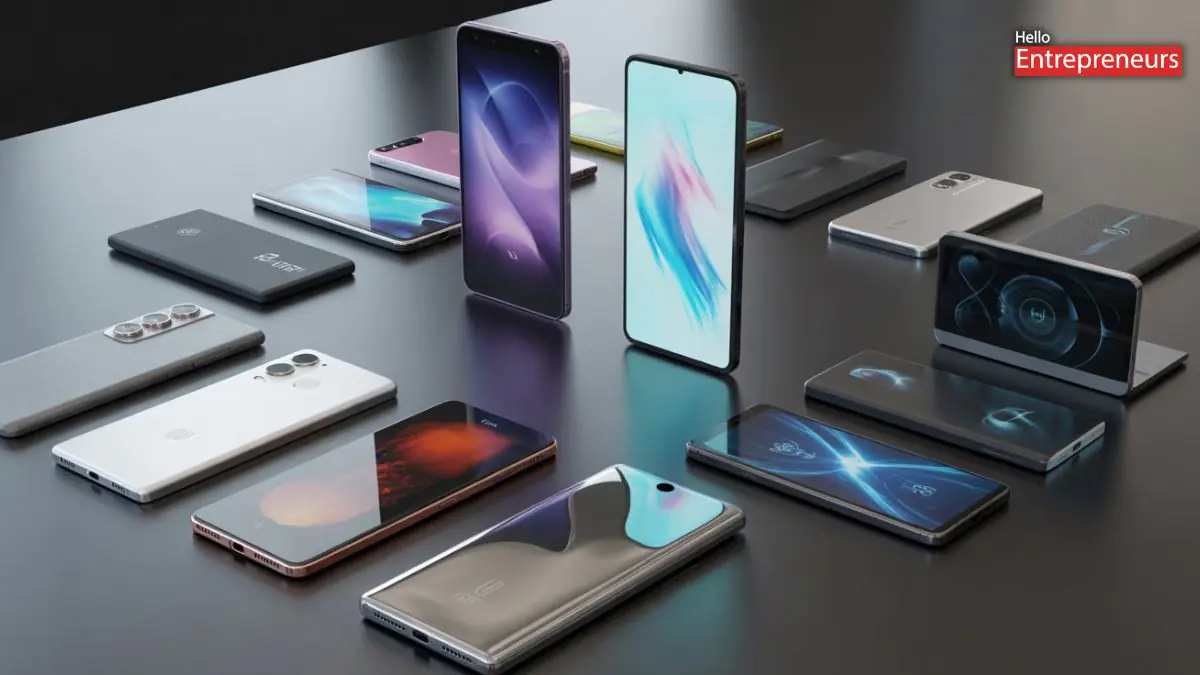
There are some smartphone brands that announced their concept phone, but their concept phone has never been seen in physically or launched globally. In this article, we are going to see 6 concept phones which are just been announced but never launched. And by this article, many users are even shocked whether these concept smartphones really exist or not. So, let’s know those concept phones that have just been announced, not launched.
OPPO X 2021
In November 2020, during the OPPO INNO Day 2020, OPPO announced its first-ever concept phone, which was OPPO X 2021. It was just announced but never released commercially. OPPO X 2021 was primarily designed to transform between a smartphone and a small tablet using the mobile OLED display, not a folding mechanism. The screen expands and retracts smoothly, with no creases like foldables. Motorised mechanism adjusts display size with a simple swipe or button press. Built to demonstrate OPPO’s flexible OLED and rollable motor engineering.
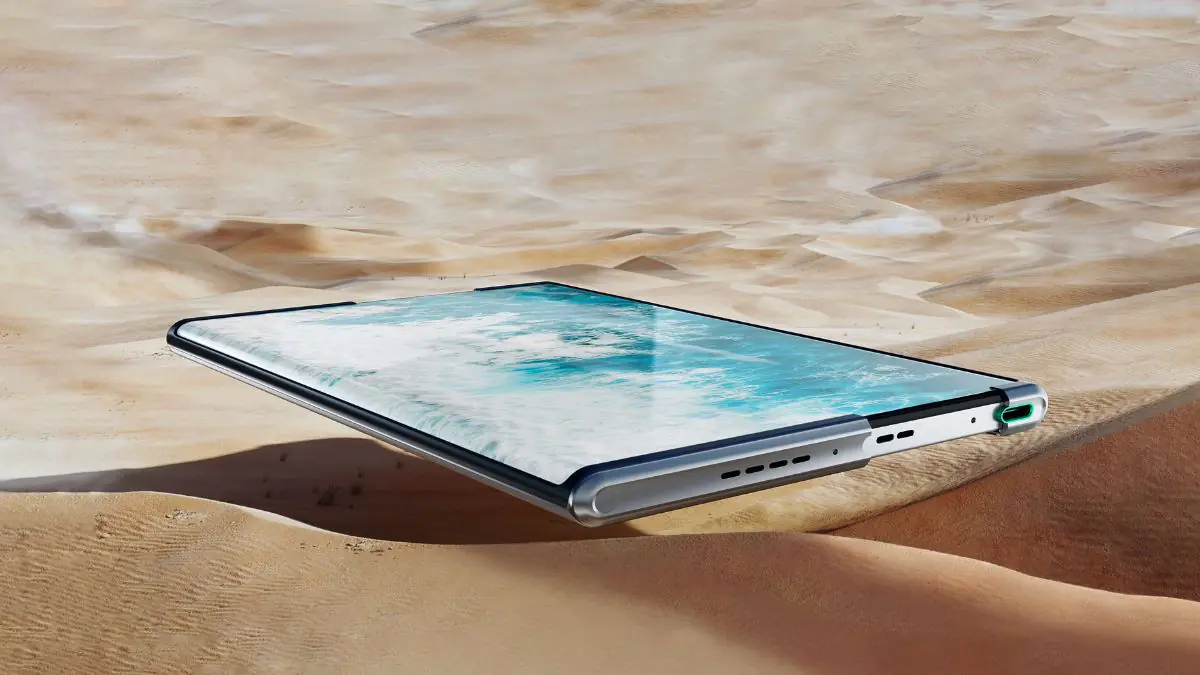
This OPPO X 2021 concept phone comes with a 6.7-inch OLED display, which expands to 7.4-inch tablet mode, due to the rollable nature of a high-resolution OLED panel. It was powered by the Qualcomm Snapdragon 865 processor, which was a good processor at that time; it offered a smooth gaming experience to the users. It is paired with up to 12GB of RAM and 256GB of storage. It contains an around 4,400mAh battery pack, which was also an unconfirmed prototype specification. It was expected that it would have a triple camera setup.
The reason behind not launching is that it comes with high production costs and durability challenges with the rolling mechanism, and a limited yield rate for flexible OLED screens. OPPO focused instead on foldable phones for mass production. The OPPO X 2021 remains one of the most advanced concept phones ever built by OPPO.
Inifnix Zero Series Mini
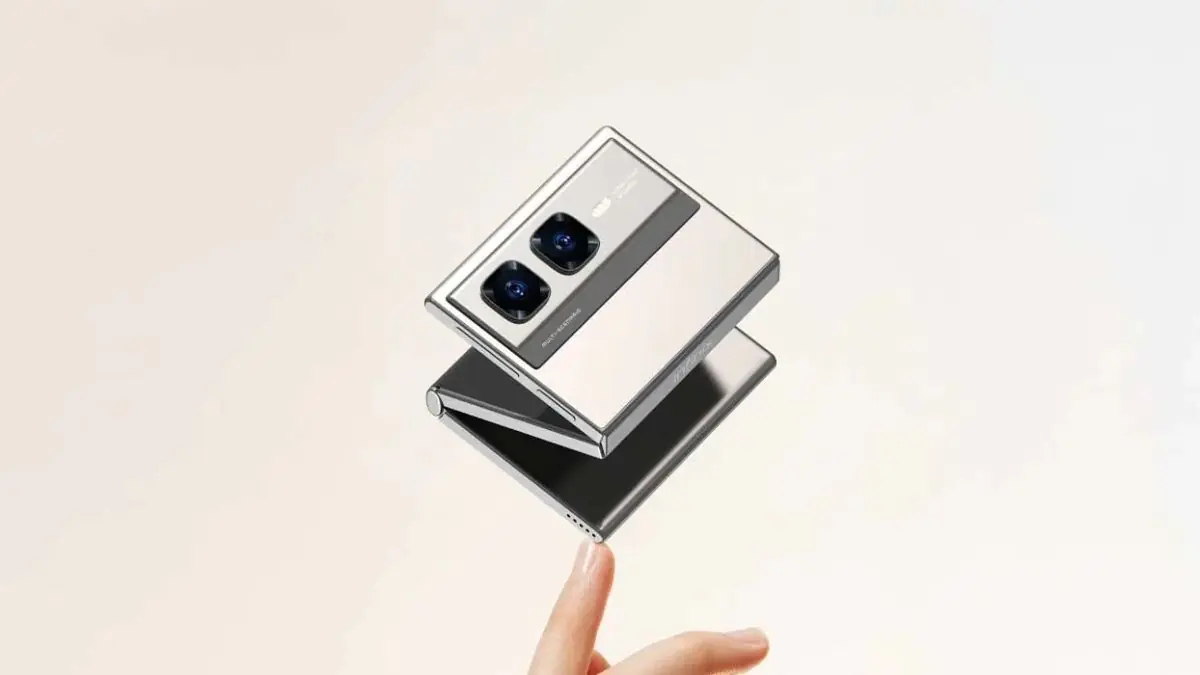
Infinix was also the smartphone brand that announced its concept phone, which was the Infinix Zero Series Mini; it was the first triple fold design device under the Zero series. There is no confirmed commercial launch date yet, since it is still a concept. Triple-fold design with dual hinge, folds outwardly and vertically into itself. When folded, it is in dual-screen mode; when unfolded, it has multiple screen sizes for different uses. Dual camera setup on the back, punch-hole selfie camera on the inside. Comes with a special strap accessory so it can be mounted. All of the specifications are not officially shared yet. It was the concept phone, which was still a concept for the users till now.
Xiaomi MI Mix Alpha
Mi Mix Alpha was announced on September 24, 2019. It was introduced as a concept smartphone. Xiaomi stated it would not initially be mass-produced, but a limited batch was produced. It comes with the 7.92-inch flexible OLED surround screen that wraps around to the back, resolution of 2088 x 2250 pixels, and a screen-to-body ratio of 180.6% which was the highest measurement ever for any smartphone. It was powered by the Qualcomm Snapdragon 855+ processor, which is a pretty impressive processor they offer for this smartphone. There was a 4050mAh battery pack with 40W wired fast charging support. There was a triple camera setup, which got a 108MP primary camera, a 20MP ultra-wide camera sensor, and a 12MP telephoto camera lens.
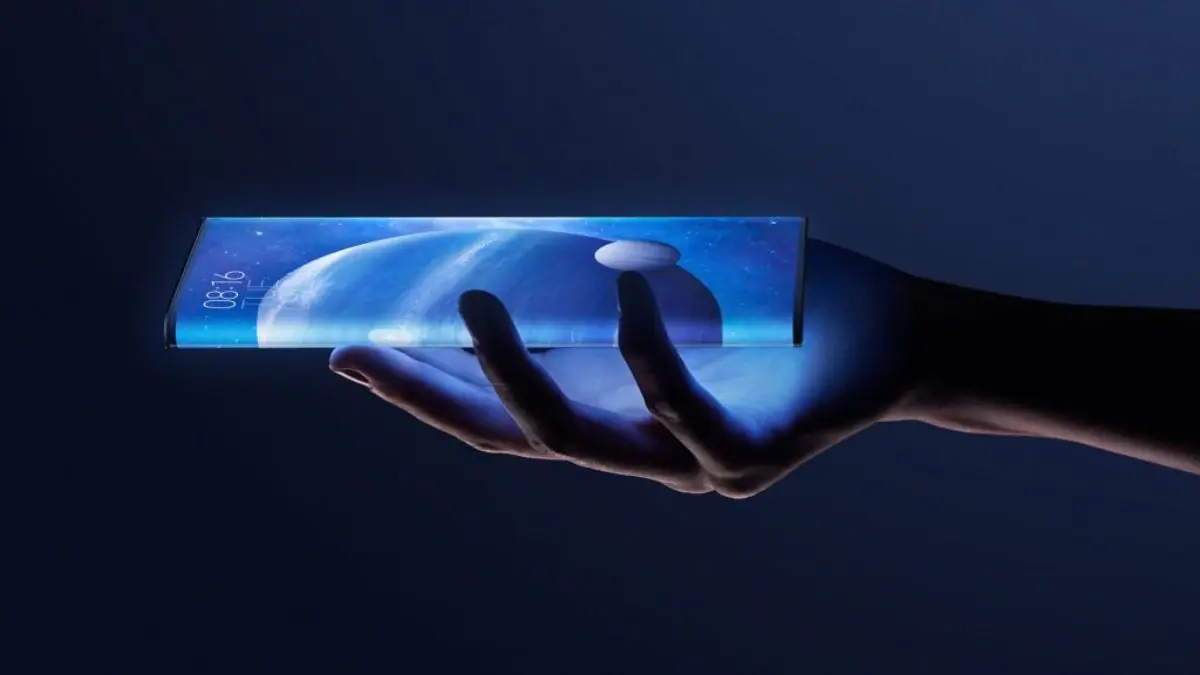
The surround screen design was futuristic and visually striking, but posed major engineering, durability, production, and cost challenges. Xiaomi has labelled it a concept device, implying it was more of a showcase of innovation rather than to be widely sold.
Motorola Bendable Concept Phone
Motorola revealed this concept phone at Lenovo Tech World 2023, with further showcases. It was a concept device; it has not been released for sale to consumers. It comes with a 6.9-inch display when fully flat for the normal smartphone experience. It was the compact wrist mode that wraps around the wrist like a smartwatch and a band. There is a magnetic cuff wristband that can attach to the phone, wrapped to secure it when worn as a bracelet. This concept phone specification was not confirmed for commercial use, but the innovation was impressive, and it was the futuristic concept phone that.
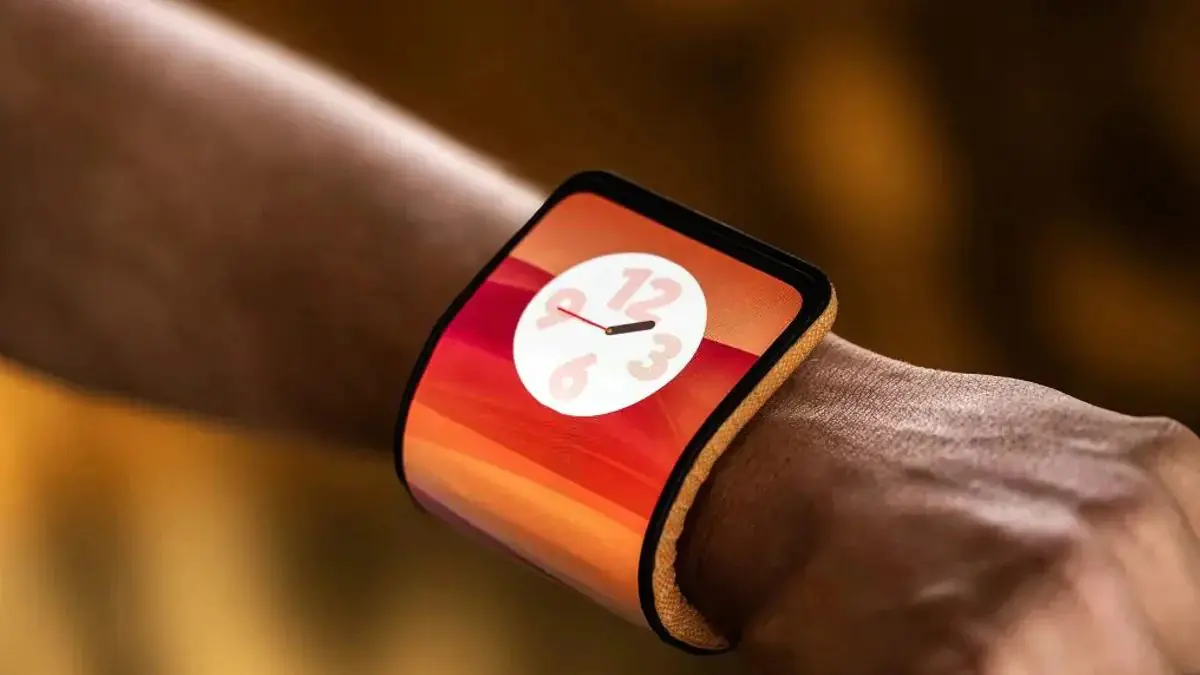
But it has manufacturing cost, durability, user comfort, interface usability, battery design, and whether people really want a wrist phone or not. That was the central question for the smartphone brand, and that was the real reason behind the concept phone remaining a concept for Motorola.
OnePlus Concept One
The first-ever OnePlus Concept One was unveiled on January 7, 2020, at the CES 2020 in Las Vegas. This concept smartphone showcased OnePlus’s innovative approach to smartphone design, featuring a disappearing camera system enabled by the electrochromic glass technology. It features a 6.65-inch Fluid AMOLED, 90Hz refresh rate with the Qualcomm Snapdragon 855+ processor, it has 12GB of RAM and 256GB of storage, it has a triple camera setup, and it has a 4085mAh battery with the 30W Wrap charge.
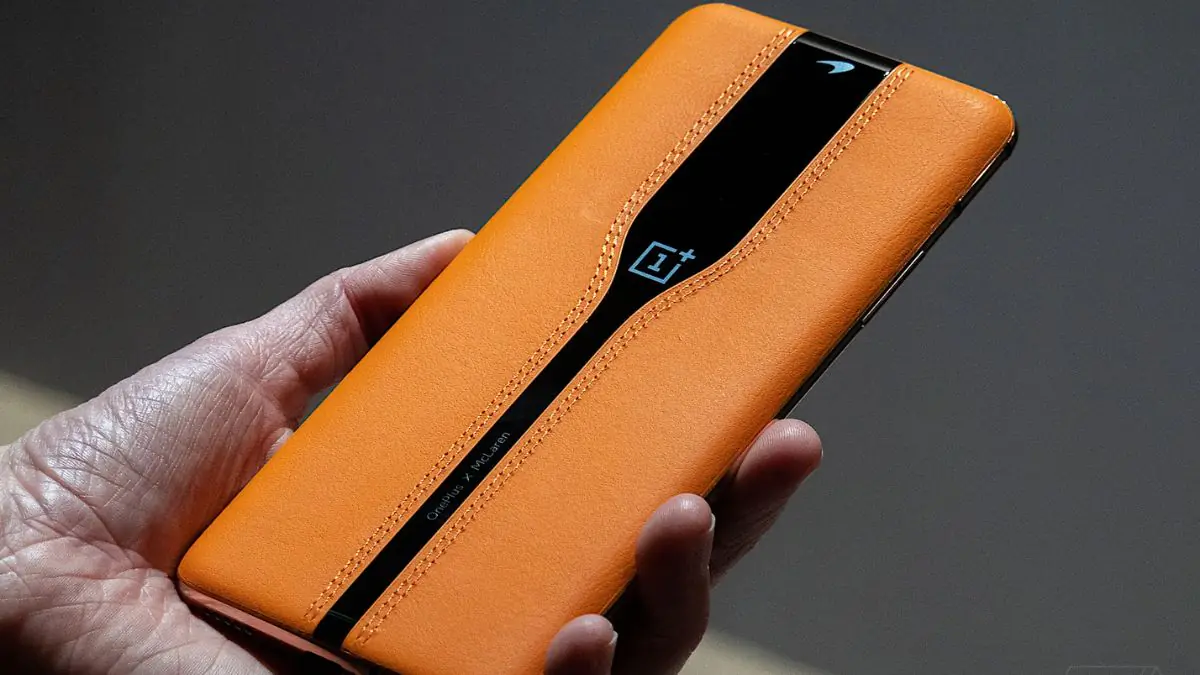
OnePlus Concept One was a prototype and was never released for commercial sale; it served as a demonstration of OnePlus’s capabilities in integrating advanced materials and technologies into smartphone design. When it did not enter mass production, the Concept One highlighted the potential for future smartphones to incorporate dynamic materials for enhanced aesthetics and functionality.
Motorola Rizr
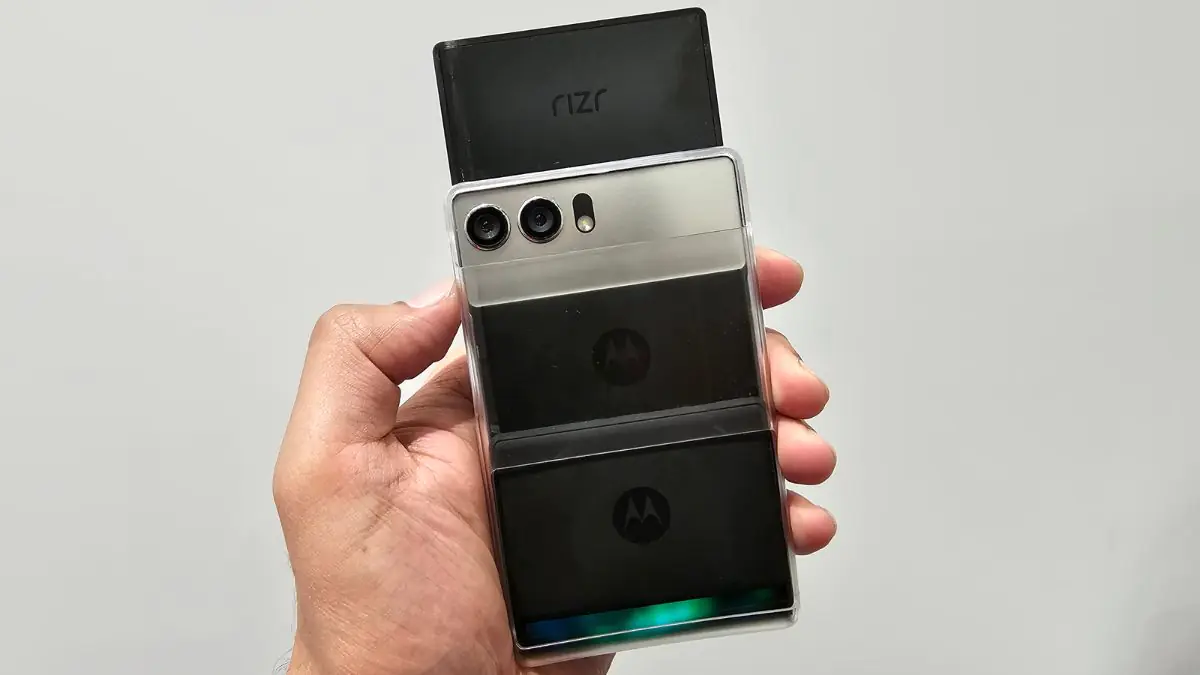
Motorola Rizr Rollable is an innovative concept smartphone that made its debut at Mobile World Congress 2023. This device reimagines smartphone design with a rollable display that extends from the compact 5-inch screen to a full-screen 6.5-inch display, offering users a versatile viewing experience. It comes with a 5-inch pOLED screen that expands to a 6.5-inch screen, it was powered by the Qualcomm Snapdragon 8 Gen 1, it was paired with 12GB of RAM and 256GB of storage. There was a dual camera setup on the back panel, and it was packed with a 6500mAh battery pack. While the Rizr Rollable is currently a concept device, it showcases Motorola’s commitment to pioneering the latest form factors in the smartphone industry.