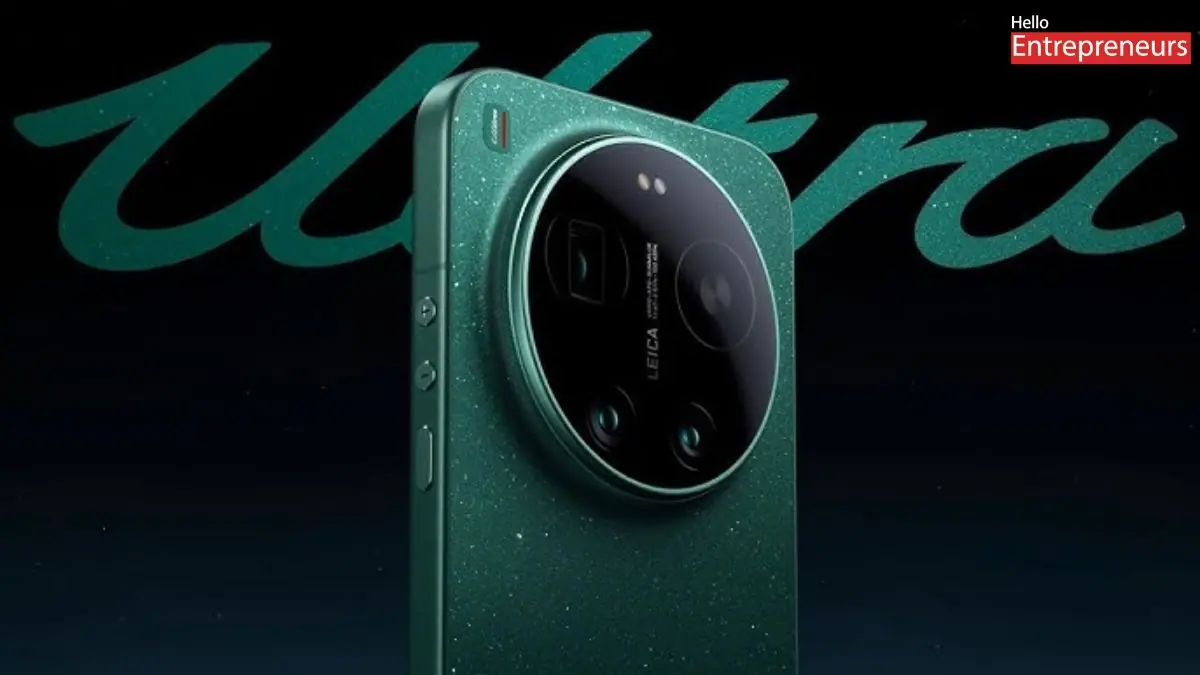








New Delhi: Xiaomi is now fully geared up to unveil its Xiaomi 17 Ultra in China on December 25. This is set to be the fourth and most expensive model in Xiaomi’s latest flagship series, which was launched earlier this year. Apart from the Xiaomi 17 Ultra, the Chinese smartphone maker has confirmed that the special Xiaomi 17 Ultra Leica Edition will also be unveiled. The company hasn’t yet revealed if the Leica Edition features the same design and specs as the Xiaomi 17 Ultra. The upcoming flagship is set to arrive with multiple photography upgrades, including an improved telephoto optical system for better night photography performance.
Xiaomi has confirmed that both the Xiaomi 17 Ultra and the Leica Edition will launch in the local market on December 25 at 7 PM. The company has also shared a first look at the Xiaomi 17 Ultra, but hasn’t revealed much about the Leica Edition. Xiaomi teased the Leica Edition in a video that shows the Master Zoom Ring, and another video shows the Leica branding on the device. The company also shared a photo of the Leica Edition’s retail box in black, featuring both the Xiaomi and Leica branding.
The Xiaomi 17 Ultra would feature a triple rear camera setup, marking a shift from the quad-camera configuration on the Xiaomi 15 Ultra. The company may also drop the dedicated 50MP telephoto camera with the 3x optical zoom from the previous model. Xiaomi 17 Ultra will feature a Leica 1-inch Light and Shadow Master primary camera with the latest Light and Shadow Hunter 1050L image sensor. This sensor uses lateral overflow integration capacitor ultra-high dynamic-range technology to improve dynamic range. The phone may also include a Leica-tuned 200MP telephoto camera with continuous optical zoom capabilities.
The expected camera specifications include a 50MP OVX10500U primary sensor, a 200MP S5KHPE telephoto sensor, a 50MP OV50M or S5KJN5 ultra-wide sensor, and a 50MP OV50M front camera. Samsung’s 200MP zoom sensor may support continuous zoom functionality, as Samsung reported that it began mass-producing such sensors in September for major Chinese brands.