







Thousands of Hyundai Motor workers walked off the job this week. For three days, they mounted a partial strike after wage negotiations broke down, and the action is already drawing attention for more than just pay. Industry watchers say it’s one of the first big labor protests directly linked to Hyundai’s plans to roll out humanoid robots on their production lines.
About 40,000 union members at Hyundai downed tools for part of their scheduled shifts, a rolling work stoppage that lasted through Wednesday. And pay isn’t their only concern. Union leaders want formal talks about how and when robots will be introduced into production. They also want guarantees that workers’ jobs and incomes are safe as automation picks up, plus an increase in the retirement age from 60 to 65.
“Our members want fair pay and a real say in how automation comes to the plant,” said a union spokesperson. “Robots shouldn’t show up on the line until we have clear agreements that protect our jobs.”
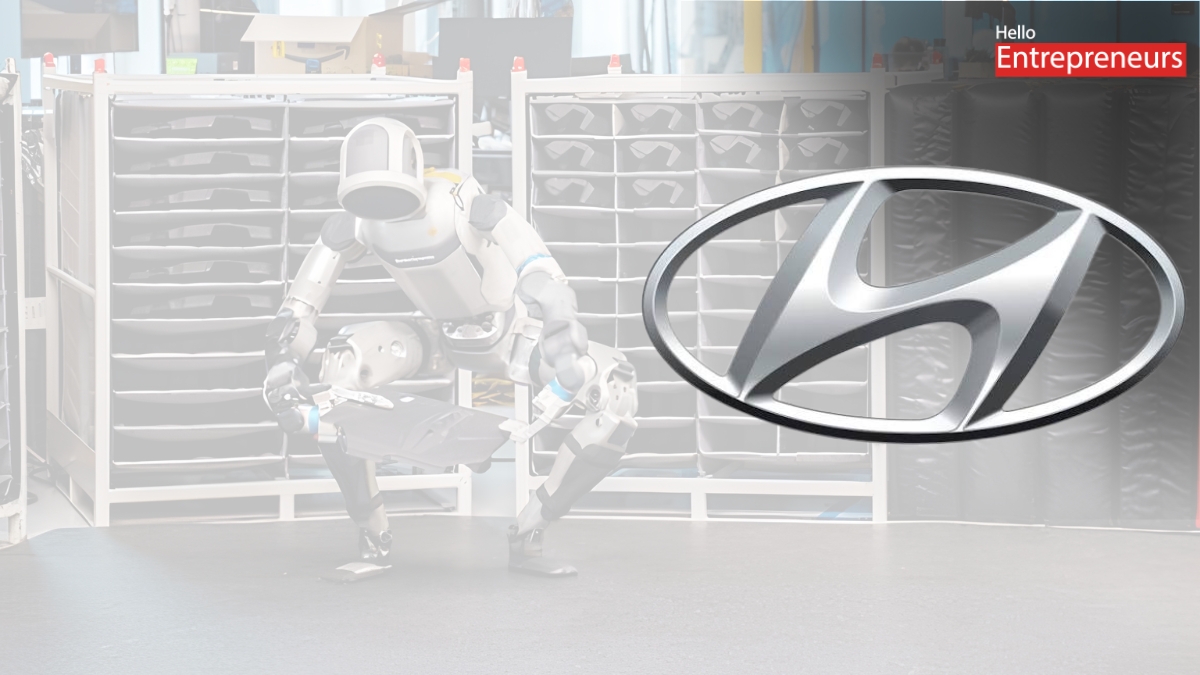
Hyundai, which owns Boston Dynamics, made waves at CES 2026 when it said it would start deploying the Atlas humanoid robot at certain plants. Pilot testing is already happening, and there are plans to put Atlas into production at Hyundai Motor Group Metaplant America in Georgia by 2028. The company claims Atlas will boost safety and efficiency in tough physical jobs, but they haven’t said if or when these robots are headed to Korean factories.
“Automation is a big part of our plans to increase productivity and safety,” Hyundai officials said in a prepared statement. “We’re committed to working with our employees as things change.”
But even a partial strike at Hyundai’s Ulsan plant hits hard. The company makes about half its global vehicles in South Korea, so losing just a few production days can mean thousands of cars that don’t get built. “Every day of strikes means losses we can’t get back, hurting both wages and customer loyalty,” said Choi Yeong Il, Hyundai’s domestic production chief, in an interview.
The bigger picture here is worker anxiety. As robots move from lab experiments to factory floors, a lot of blue-collar workers feel like their jobs are on the line. “What’s new this time is that these robots—like Atlas—are made to do exactly the work humans do,” said one analyst. That kind of specificity raises the stakes compared to past debates over factory automation.
What Hyundai decides now could set the tone for labor agreements across the car industry. Major automakers like BMW, GM, Tesla, and Toyota are putting money behind humanoid robots and advanced automation, and several Chinese firms are speeding up their own robot trials. Unions worldwide are watching to see if Hyundai will make legally binding promises, or try to push through automation without real input from workers.
The union wants to negotiate over protocols for using robots, tie pay to productivity gains, offer retraining for new roles, and set up a safety net for anyone who loses their job. Some labor experts say setting these rules in law could help balance progress with protections.
Car companies argue that automation isn’t just about cutting costs—it keeps workers safe and fills gaps when there aren’t enough people for tough jobs. Hyundai’s buyout of Boston Dynamics sped up their robotics plans, and executives keep touting how robots could improve efficiency, especially for repetitive or heavy labor.
This fight isn’t just about the factory floor, either. Labor activism has always been a force in South Korea’s politics. Lawmakers and labor officials are urging both sides to keep cool and push for quick negotiations, and some want a joint committee to manage how robots come into the workplace and how workers get retrained for the shifts ahead.
South Koreans themselves aren’t all of one mind. Some back the workers, worried about lost jobs; others say the company has to modernize to keep up internationally. For Hyundai, there’s a lot more at risk than just money—if talks break down, their reputation takes a hit, too.
What’s next? The union says more strikes are possible if management won’t address their automation concerns. Hyundai says it’s open to negotiating labor terms but stands firm that new technology is essential for survival.
As more car companies start to treat humanoid robots as practical tools, not just sci-fi prototypes, everyone’s watching Hyundai. The outcome here could shape how other industries handle the push-and-pull between progress and worker protections. Really, it all comes back to one tough question for advanced economies: how do we share the benefits of automation without leaving workers behind or widening the gap between winners and losers?